


Więcej o książce
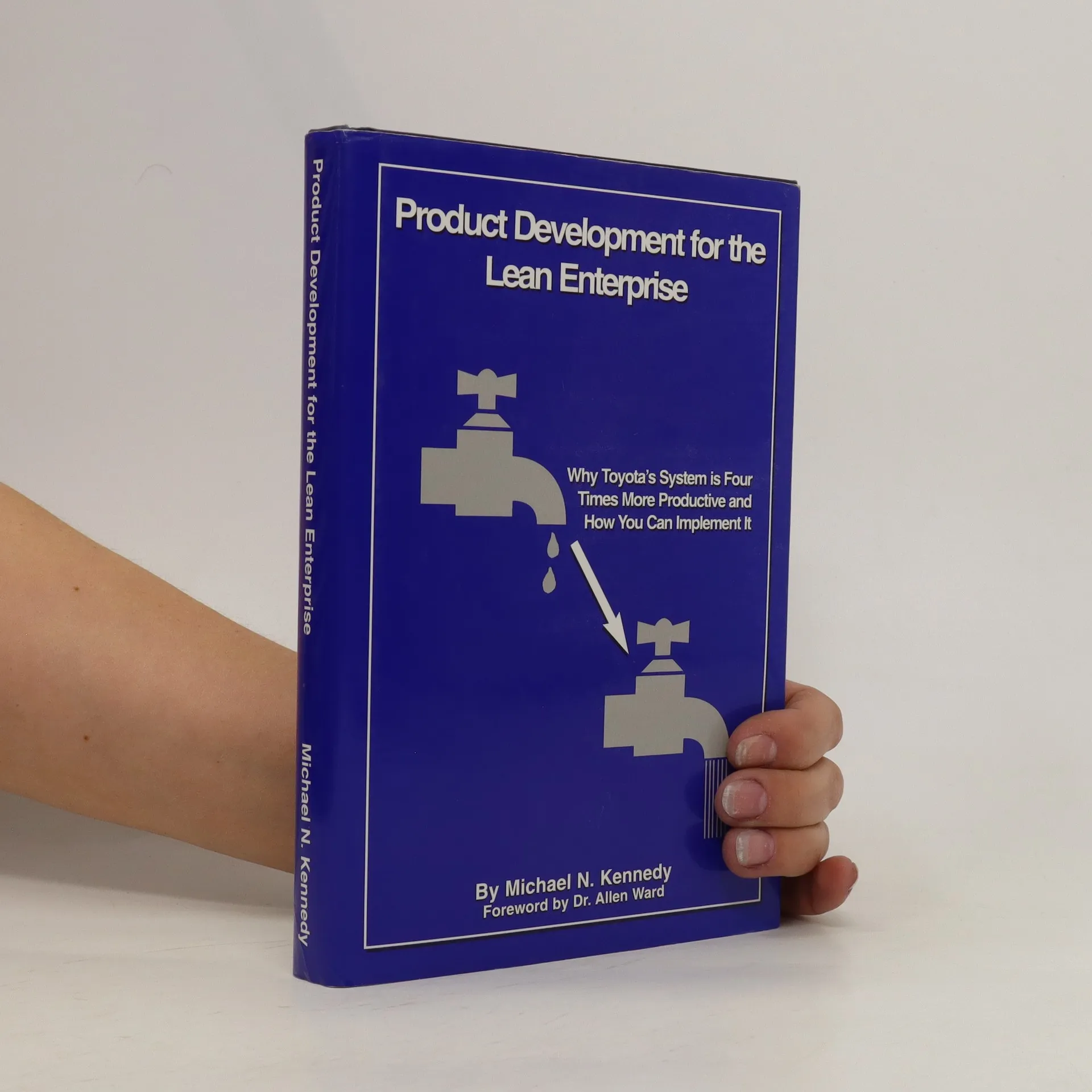
This is the must-read of the decade for anyone whose livelihood depends on new products. Those familiar with industry today know western companies are scrambling to emulate the Toyota Production System. But most don't realize that Toyota's new product development system is every bit as important to Toyota's ongoing success. If they've heard that Toyota's development engineers are four times more productive than their western counterparts, they probably chalk it up to Toyota Production System techniques. But they're wrong in doing so. While both systems deliver extremely high productivity, and both free people to do their best, there really aren't many similarities in how the systems work. Such techniques as concurrent engineering and parallel development are used to increase options and creative possibilities while at the same time lowering the risk of failure. No company that depends on an ongoing flow of new and improved products can afford to ignore the revelations this book contains or the potential advantages in terms of productivity and creativity that can accrue from the Toyota method.
Zakup książki
Product Development for the Lean Enterprise, Michael N. Kennedy
- Język

- Rok wydania
- 2003
- Oprawa
- (twarda)
Metody płatności
Brakuje nam tutaj Twojej recenzji.
- Tytuł
- Product Development for the Lean Enterprise
- Język
- angielski
- Autorzy
- Michael N. Kennedy
- Wydawca
- Oaklea Press
- Rok wydania
- 2003
- Oprawa
- twarda
- Liczba stron
- 254
- ISBN10
- 1892538091
- ISBN13
- 9781892538093
- Seria
- Kategorie
- Tagi
- Biznes, Poradniki, Produktywność
- Ocena
- 3,8 z 5
- Opis
- This is the must-read of the decade for anyone whose livelihood depends on new products. Those familiar with industry today know western companies are scrambling to emulate the Toyota Production System. But most don't realize that Toyota's new product development system is every bit as important to Toyota's ongoing success. If they've heard that Toyota's development engineers are four times more productive than their western counterparts, they probably chalk it up to Toyota Production System techniques. But they're wrong in doing so. While both systems deliver extremely high productivity, and both free people to do their best, there really aren't many similarities in how the systems work. Such techniques as concurrent engineering and parallel development are used to increase options and creative possibilities while at the same time lowering the risk of failure. No company that depends on an ongoing flow of new and improved products can afford to ignore the revelations this book contains or the potential advantages in terms of productivity and creativity that can accrue from the Toyota method.