

Więcej o książce
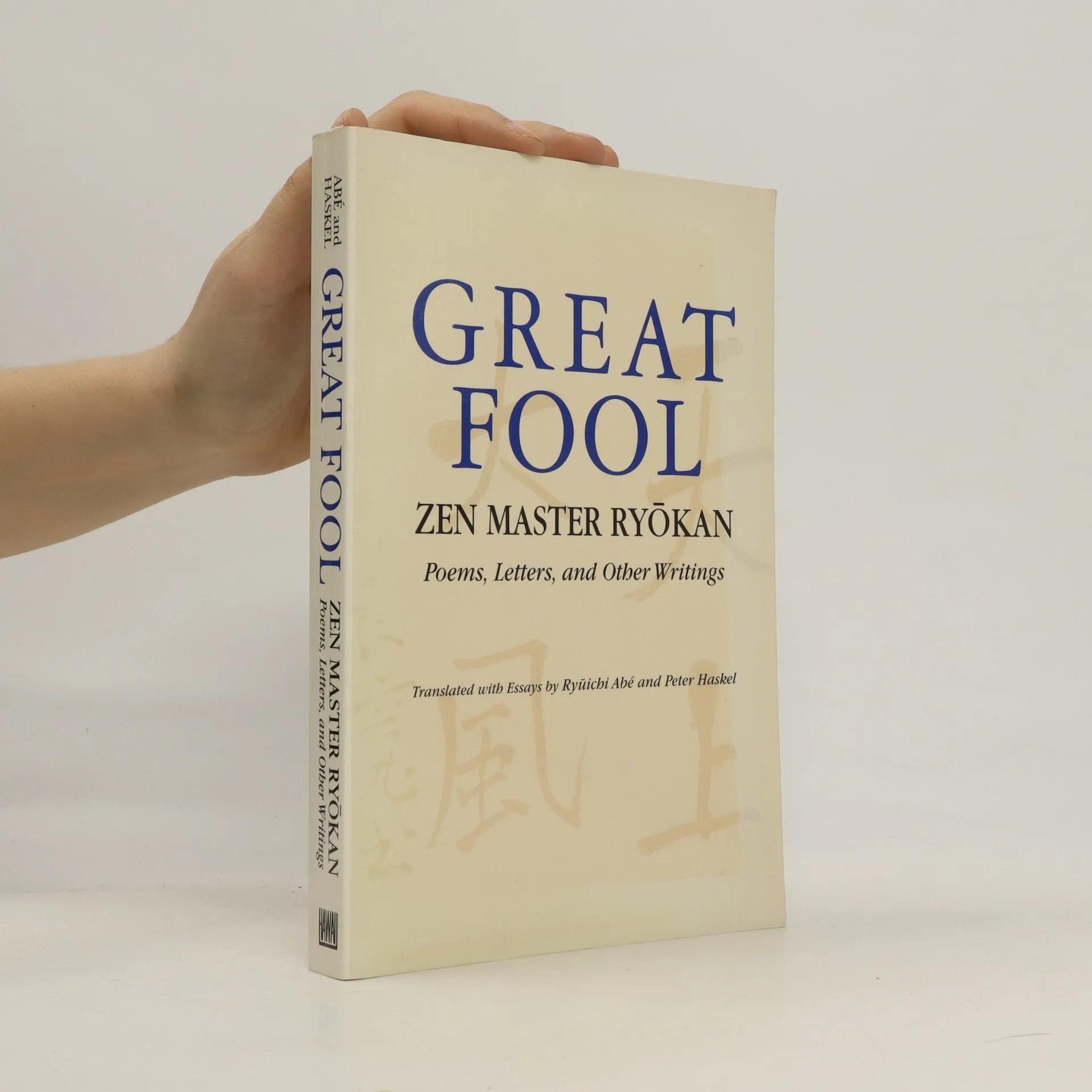
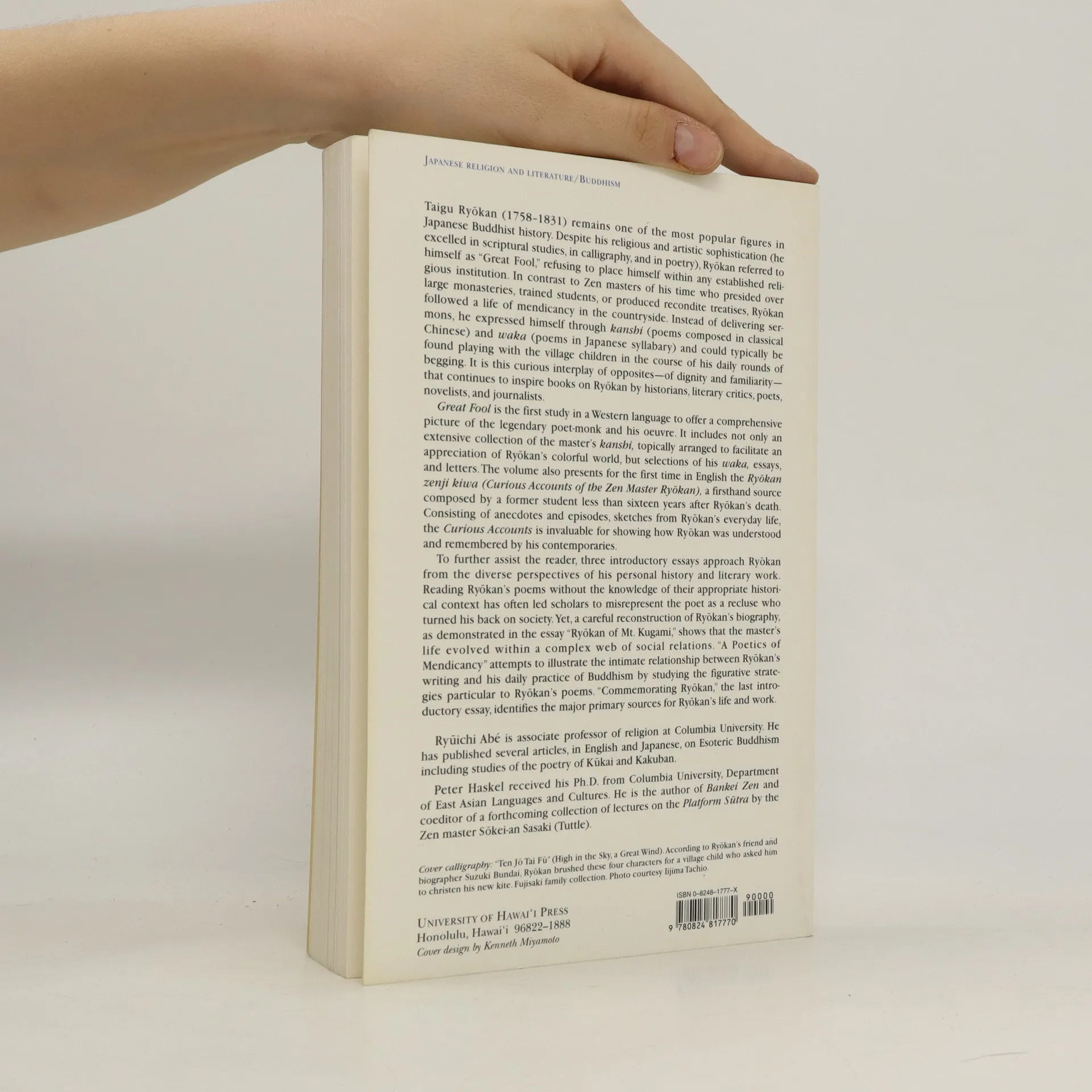
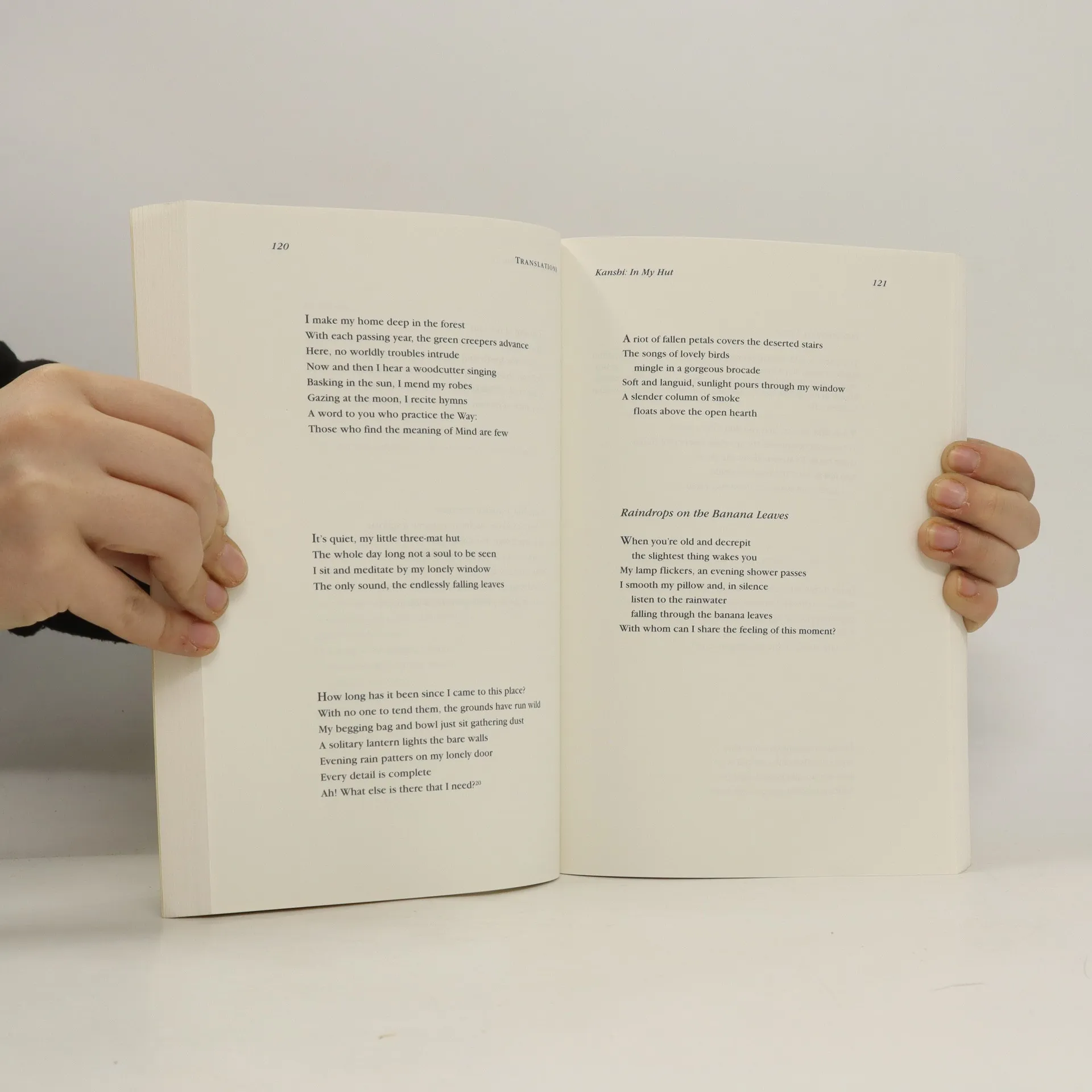
Taigu Ryokan (1759-1831) is a celebrated figure in Japanese Buddhist history, known for his humility and artistic depth. He referred to himself as "Great Fool," distancing himself from the cultural elite of his time. Unlike typical Zen masters who led large monasteries and produced complex texts, Ryokan embraced a life of mendicancy in the countryside, engaging with village children and expressing himself through kanshi (poems in classical Chinese) and waka. This study is the first comprehensive examination of the poet-monk's life and work in a Western language. It features a rich collection of Ryokan's kanshi, organized thematically to showcase his vibrant world, alongside selections of waka, essays, and letters. Notably, it includes the Ryokan zenji kiwa (Curious Accounts of the Zen Master Ryokan), a firsthand account by a former student written shortly after Ryokan's death. Though not chronologically arranged, this account provides valuable insights into how Ryokan was perceived by his contemporaries, filled with anecdotes from his daily life. Additionally, three introductory essays offer diverse perspectives on Ryokan's personal history and literary contributions, enriching the reader's understanding of this iconic figure.
Zakup książki
Great Fool, kolektiv
- Język

- Rok wydania
- 1996
- Oprawa
- (miękka)
Metody płatności
Brakuje nam tutaj Twojej recenzji.
- Tytuł
- Great Fool
- Język
- angielski
- Autorzy
- kolektiv
- Wydawca
- University of Hawaii Press
- Rok wydania
- 1996
- Oprawa
- miękka
- Liczba stron
- 332
- ISBN10
- 082481777X
- ISBN13
- 9780824817770
- Seria
- Tagi
- Tematy religijne, Zen
- Ocena
- 4,5 z 5
- Opis
- Taigu Ryokan (1759-1831) is a celebrated figure in Japanese Buddhist history, known for his humility and artistic depth. He referred to himself as "Great Fool," distancing himself from the cultural elite of his time. Unlike typical Zen masters who led large monasteries and produced complex texts, Ryokan embraced a life of mendicancy in the countryside, engaging with village children and expressing himself through kanshi (poems in classical Chinese) and waka. This study is the first comprehensive examination of the poet-monk's life and work in a Western language. It features a rich collection of Ryokan's kanshi, organized thematically to showcase his vibrant world, alongside selections of waka, essays, and letters. Notably, it includes the Ryokan zenji kiwa (Curious Accounts of the Zen Master Ryokan), a firsthand account by a former student written shortly after Ryokan's death. Though not chronologically arranged, this account provides valuable insights into how Ryokan was perceived by his contemporaries, filled with anecdotes from his daily life. Additionally, three introductory essays offer diverse perspectives on Ryokan's personal history and literary contributions, enriching the reader's understanding of this iconic figure.