

Parametry
Więcej o książce
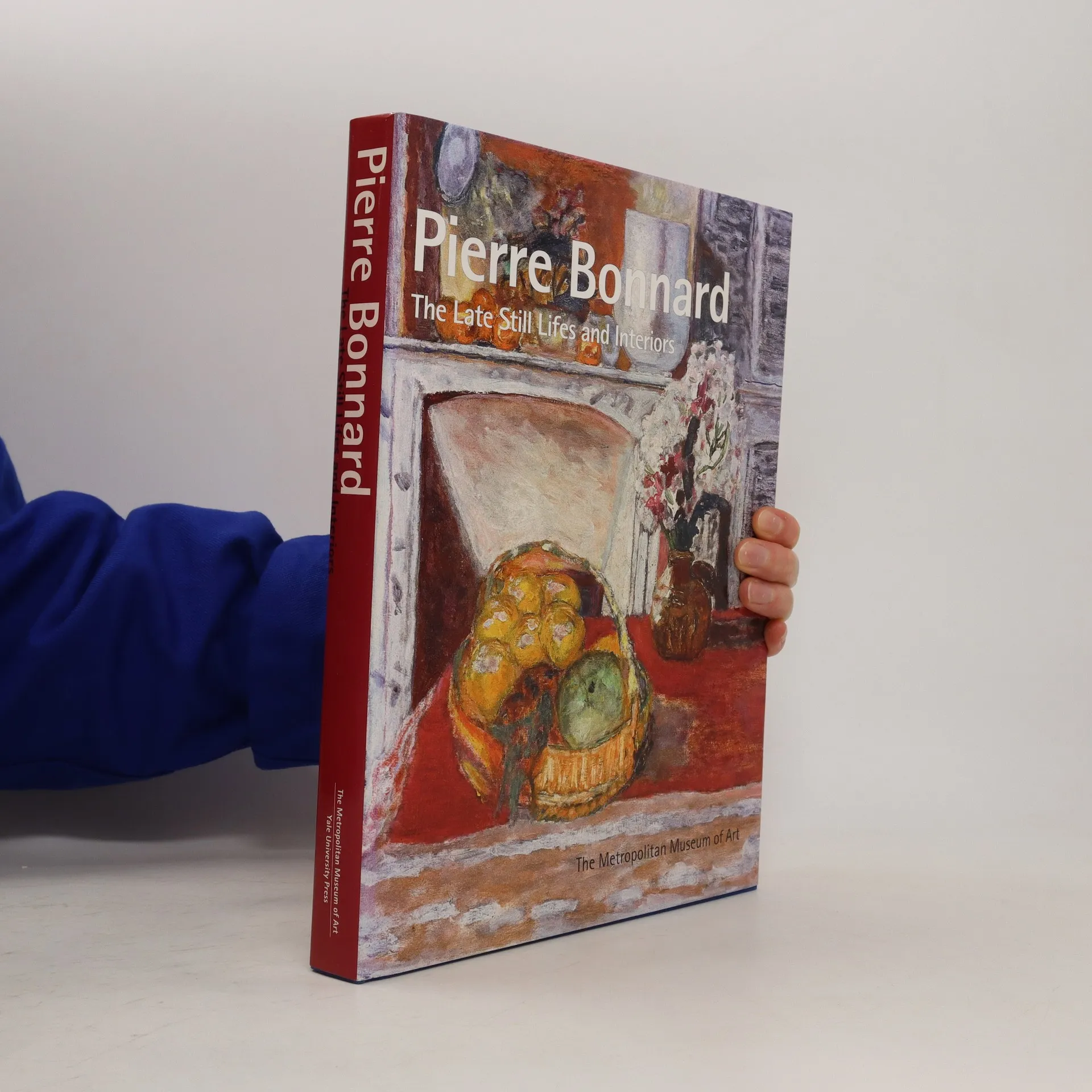
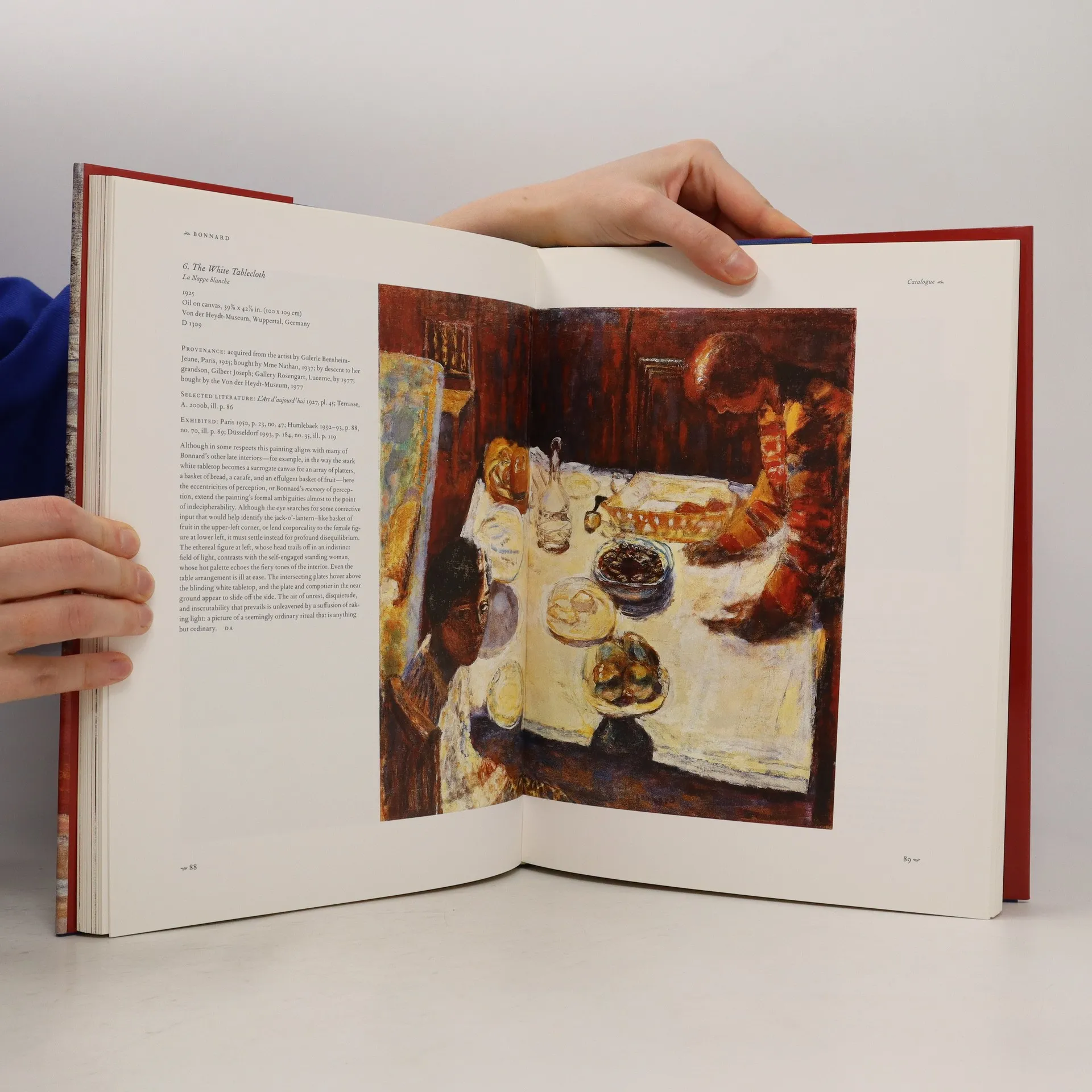
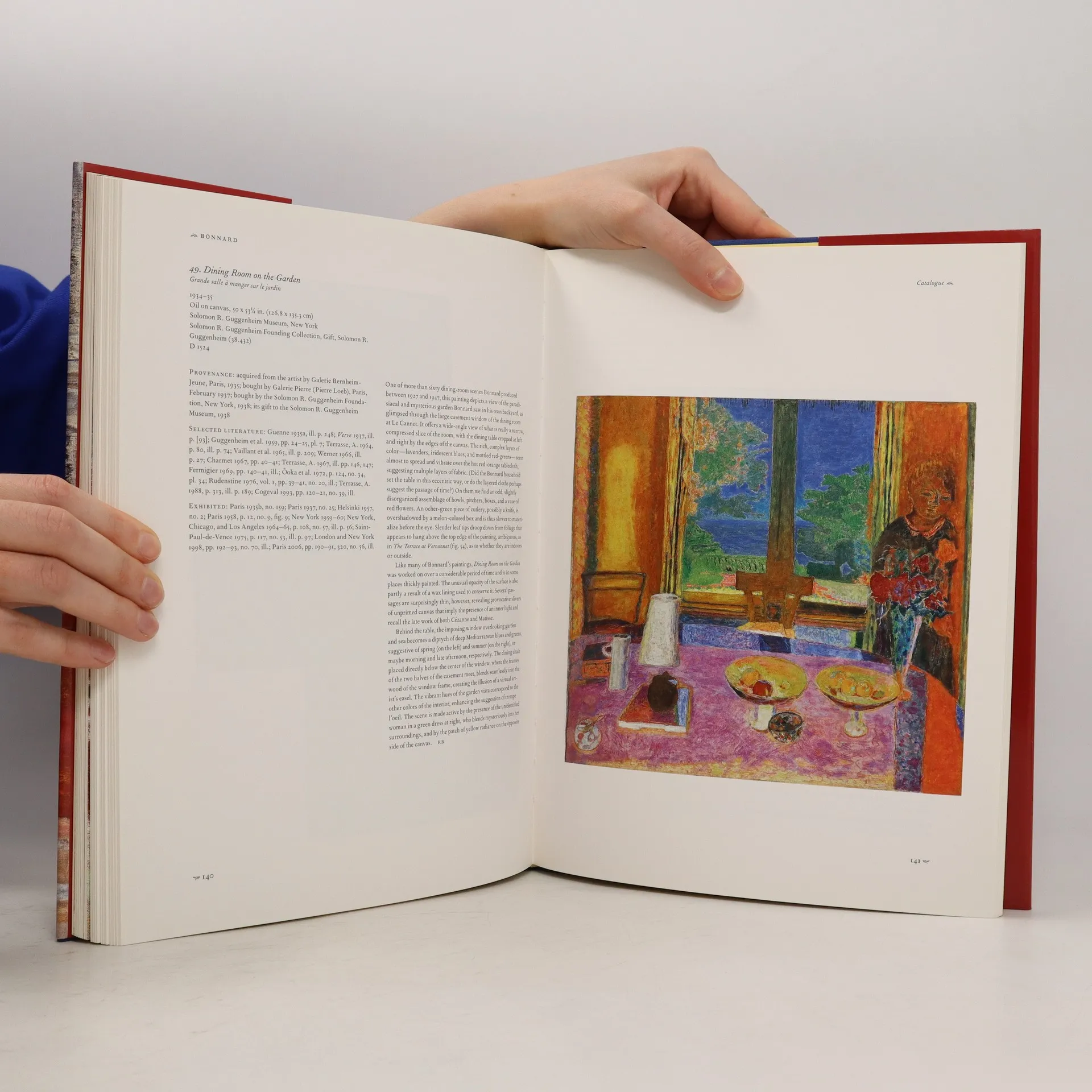
Working in his villa in the south of France, Pierre Bonnard (1867–1947) suffused his late canvases with radiant Mediterranean light and dazzling color. Although his subjects were close at hand—usually everyday domestic scenes—Bonnard rarely painted from life. Instead, he made pencil sketches in diaries and relied on these, along with his memory, as he executed the works in his studio. These interiors thus often conflate details from the artist’s daily life with fleeting, mysterious evocations of his past. The spectral figures who appear at the margins of the canvases, overshadowed by brilliantly colored baskets of fruit or other props, create an atmosphere of profound ambiguity and puzzling abstraction: the mundane rendered in a wholly new pictorial language. The 75 paintings, drawings, and watercolors in this volume, some rarely seen treasures from private collections, all made between 1923 and 1947, are central to the ongoing reappraisal of Bonnard as a leading figure of French modernism.
Zakup książki
Pierre Bonnard : the late still lifes and interiors, Dita Amory
- Język

- Rok wydania
- 2009
- Oprawa
- (twarda)
Metody płatności
Brakuje nam tutaj Twojej recenzji.
- Tytuł
- Pierre Bonnard : the late still lifes and interiors
- Język
- angielski
- Autorzy
- Dita Amory
- Rok wydania
- 2009
- Oprawa
- twarda
- ISBN10
- 0300148895
- ISBN13
- 9780300148893
- Seria
- Tagi
- Sztuka
- Ocena
- 4,2 z 5
- Opis
- Working in his villa in the south of France, Pierre Bonnard (1867–1947) suffused his late canvases with radiant Mediterranean light and dazzling color. Although his subjects were close at hand—usually everyday domestic scenes—Bonnard rarely painted from life. Instead, he made pencil sketches in diaries and relied on these, along with his memory, as he executed the works in his studio. These interiors thus often conflate details from the artist’s daily life with fleeting, mysterious evocations of his past. The spectral figures who appear at the margins of the canvases, overshadowed by brilliantly colored baskets of fruit or other props, create an atmosphere of profound ambiguity and puzzling abstraction: the mundane rendered in a wholly new pictorial language. The 75 paintings, drawings, and watercolors in this volume, some rarely seen treasures from private collections, all made between 1923 and 1947, are central to the ongoing reappraisal of Bonnard as a leading figure of French modernism.