


Parametry
Więcej o książce
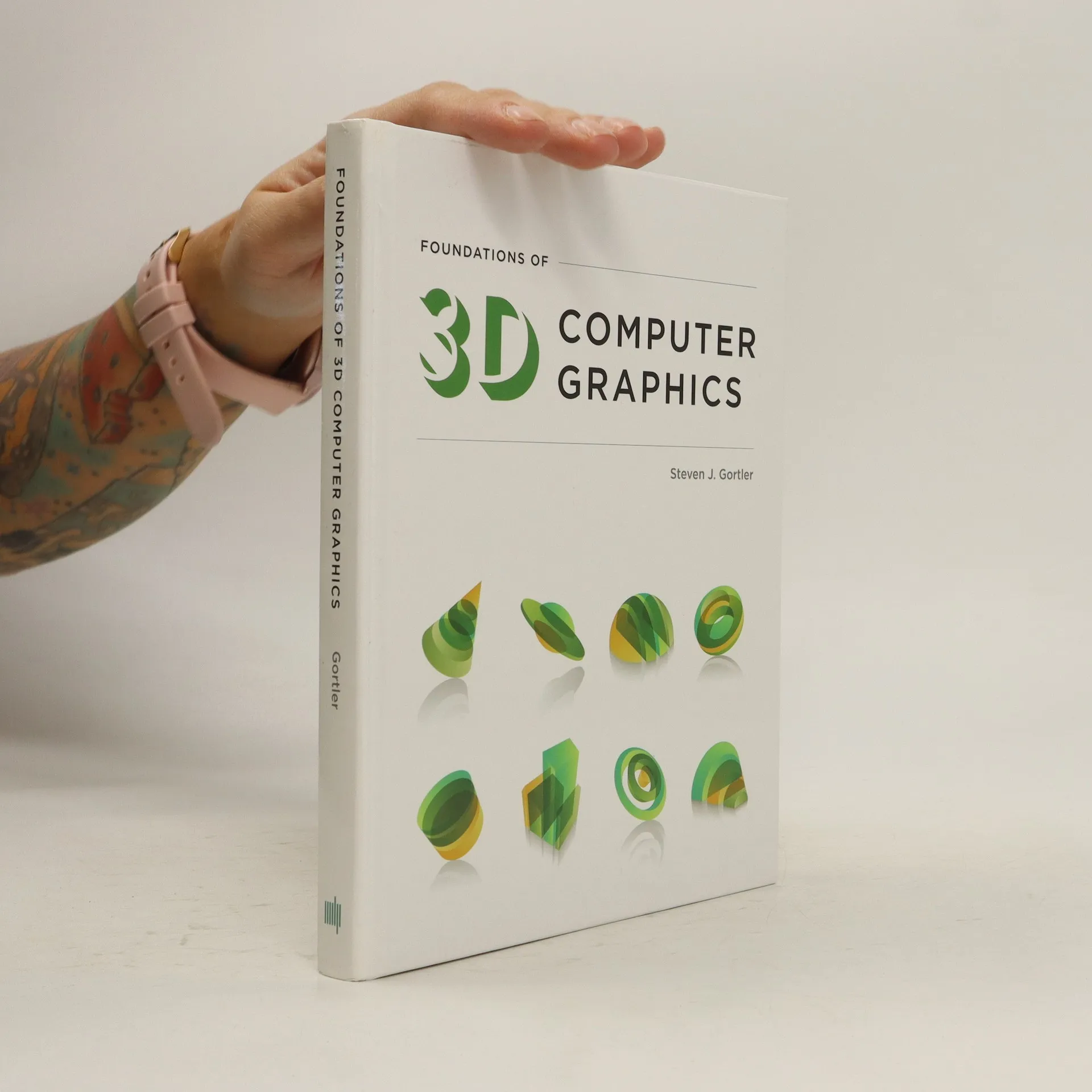
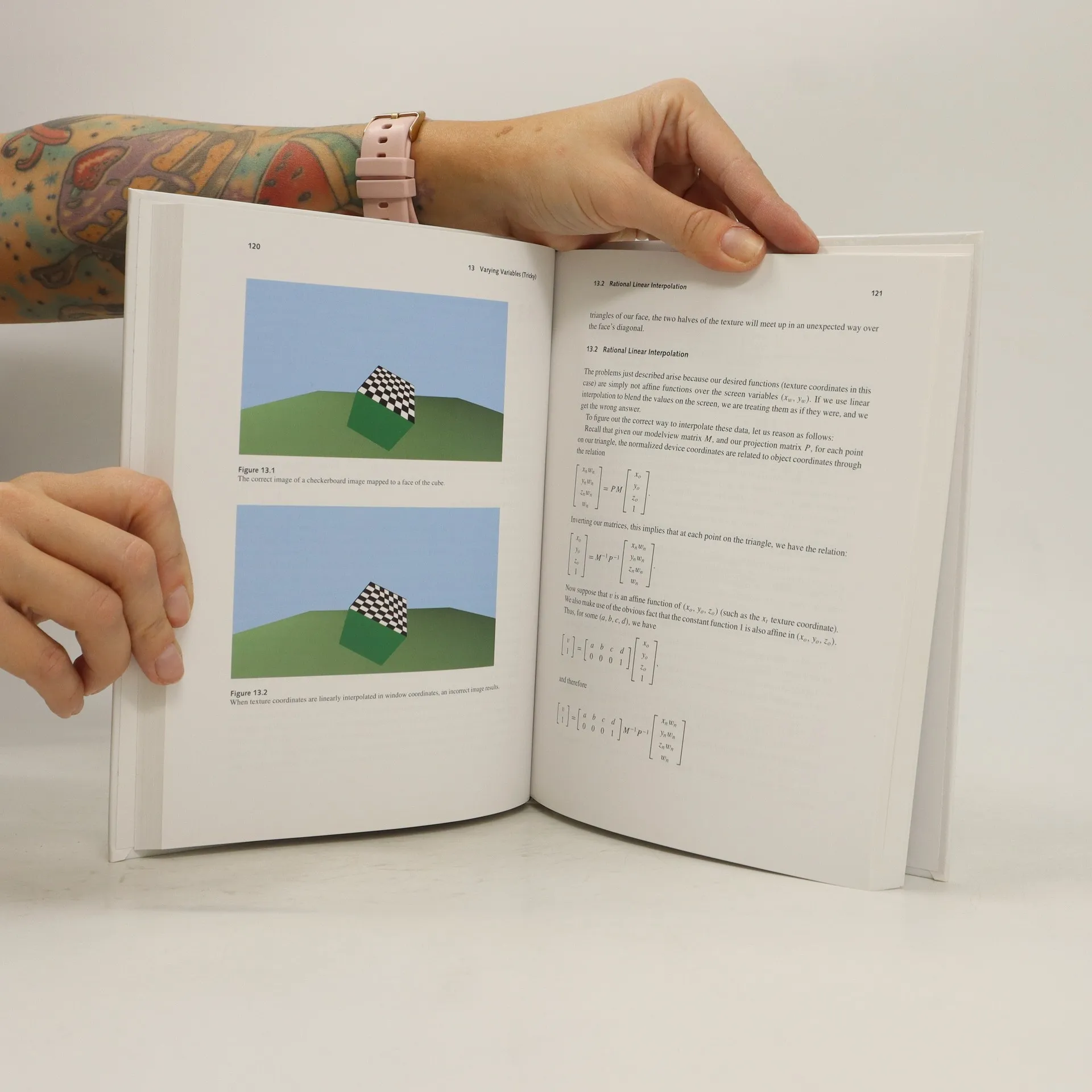
Computer graphics technology represents a remarkable achievement, enabling PCs to generate high-quality images for video games and blockbuster films filled with stunning special effects. This book delves into the fundamental concepts of 3D computer graphics, introducing essential algorithmic techniques for creating 3D visuals. Key topics include 3D geometric transformations, camera transformations, the image-rendering process, and materials and texture mapping. Advanced subjects such as color representations, light simulation, geometric representations, and animation are also explored. The exposition is designed to be accessible and concise while clarifying complex mathematical concepts. Organized around a modern shader-based version of OpenGL, a popular graphics application programming interface, the book provides a real-time rasterization-based rendering environment. Each chapter concludes with exercises to reinforce learning. It is ideal for a rigorous one-semester introductory course aimed at upper-level undergraduates or as a professional reference. Readers should possess moderate programming skills and some familiarity with linear algebra. Mastering the content will pave the way to expertise in this exciting and challenging field.
Zakup książki
Foundations of 3D Computer Graphics, Steven J. Gortler
- Język

- Rok wydania
- 2012
- Oprawa
- (twarda)
Metody płatności
Brakuje nam tutaj Twojej recenzji.
- Tytuł
- Foundations of 3D Computer Graphics
- Język
- angielski
- Autorzy
- Steven J. Gortler
- Wydawca
- MIT Press
- Rok wydania
- 2012
- Oprawa
- twarda
- ISBN10
- 0262017350
- ISBN13
- 9780262017350
- Seria
- Tagi
- Ocena
- 3,9 z 5
- Opis
- Computer graphics technology represents a remarkable achievement, enabling PCs to generate high-quality images for video games and blockbuster films filled with stunning special effects. This book delves into the fundamental concepts of 3D computer graphics, introducing essential algorithmic techniques for creating 3D visuals. Key topics include 3D geometric transformations, camera transformations, the image-rendering process, and materials and texture mapping. Advanced subjects such as color representations, light simulation, geometric representations, and animation are also explored. The exposition is designed to be accessible and concise while clarifying complex mathematical concepts. Organized around a modern shader-based version of OpenGL, a popular graphics application programming interface, the book provides a real-time rasterization-based rendering environment. Each chapter concludes with exercises to reinforce learning. It is ideal for a rigorous one-semester introductory course aimed at upper-level undergraduates or as a professional reference. Readers should possess moderate programming skills and some familiarity with linear algebra. Mastering the content will pave the way to expertise in this exciting and challenging field.