



Parametry
Więcej o książce
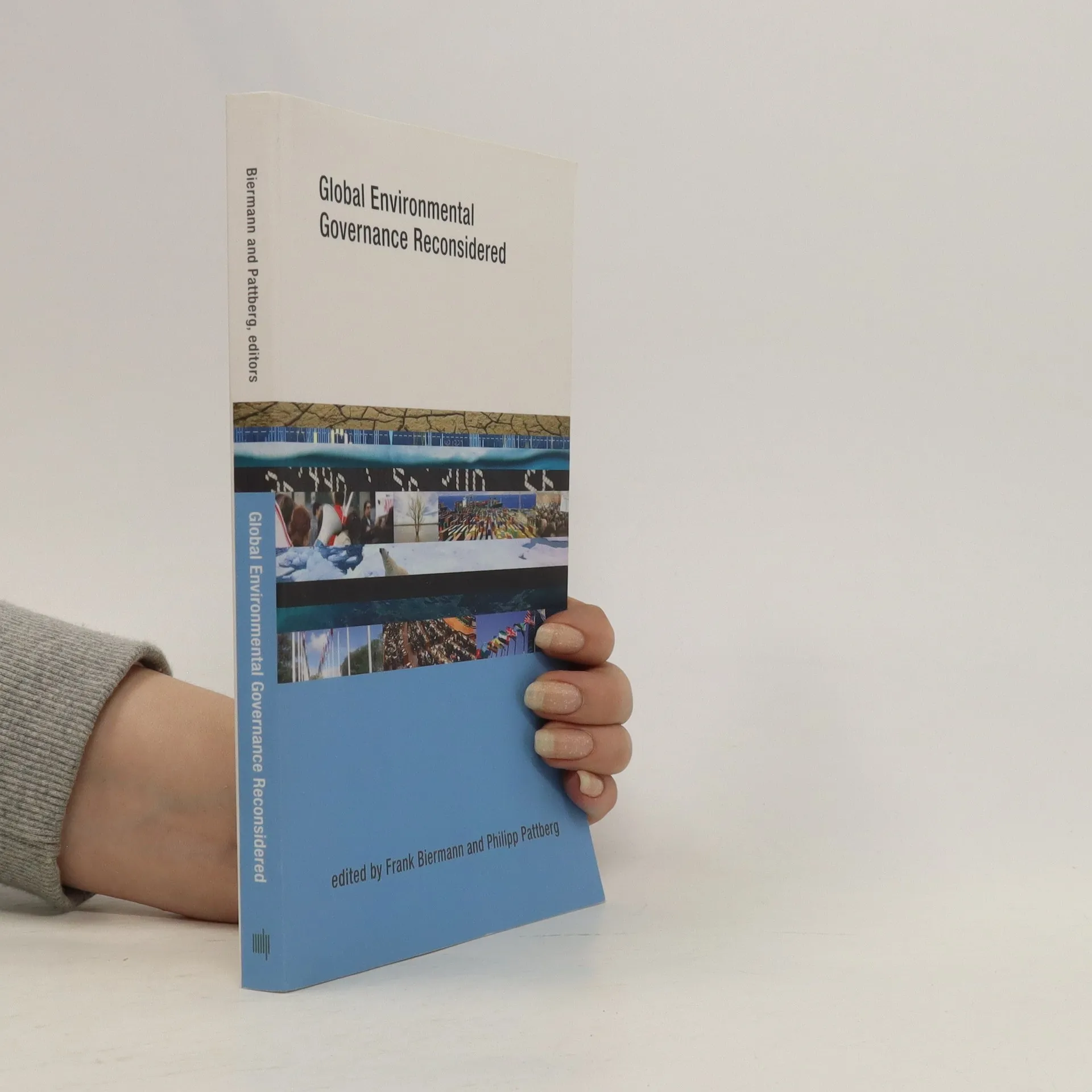
This work examines three major trends in global governance through the lens of transnational environmental rule-setting, a topic of increasing relevance in academia and policy-making. Despite its importance, many fundamental aspects of global governance remain unclear in both theory and practice. The analysis focuses on three key trends: the rise of nonstate actors, new mechanisms of transnational cooperation, and the fragmentation of authority. The book synthesizes findings from a decade-long "Global Governance Project" involving thirteen prominent European research institutions. It begins by exploring new nonstate actors, including international bureaucracies, global corporations, and transnational scientific networks. Next, it investigates innovative governance mechanisms, such as transnational environmental regimes, public-private partnerships, and market-based arrangements. Finally, it addresses the fragmentation of authority across various levels—supranational, international, national, and subnational—as well as among different parallel rule-making systems. The implications and realities of global environmental governance are critical issues for our generation. This analysis distills essential insights from past developments and highlights significant research challenges that lie ahead.
Zakup książki
Global Environmental Governance Reconsidered, Frank Biermann, Philipp Pattberg
- Język

- Rok wydania
- 2012
- Oprawa
- (miękka)
Metody płatności
Nikt jeszcze nie ocenił.
- Tytuł
- Global Environmental Governance Reconsidered
- Język
- angielski
- Autorzy
- Frank Biermann, Philipp Pattberg
- Wydawca
- MIT Press
- Rok wydania
- 2012
- Oprawa
- miękka
- ISBN10
- 0262517701
- ISBN13
- 9780262517706
- Seria
- Kategorie
- Tagi
- Opis
- This work examines three major trends in global governance through the lens of transnational environmental rule-setting, a topic of increasing relevance in academia and policy-making. Despite its importance, many fundamental aspects of global governance remain unclear in both theory and practice. The analysis focuses on three key trends: the rise of nonstate actors, new mechanisms of transnational cooperation, and the fragmentation of authority. The book synthesizes findings from a decade-long "Global Governance Project" involving thirteen prominent European research institutions. It begins by exploring new nonstate actors, including international bureaucracies, global corporations, and transnational scientific networks. Next, it investigates innovative governance mechanisms, such as transnational environmental regimes, public-private partnerships, and market-based arrangements. Finally, it addresses the fragmentation of authority across various levels—supranational, international, national, and subnational—as well as among different parallel rule-making systems. The implications and realities of global environmental governance are critical issues for our generation. This analysis distills essential insights from past developments and highlights significant research challenges that lie ahead.