

Więcej o książce
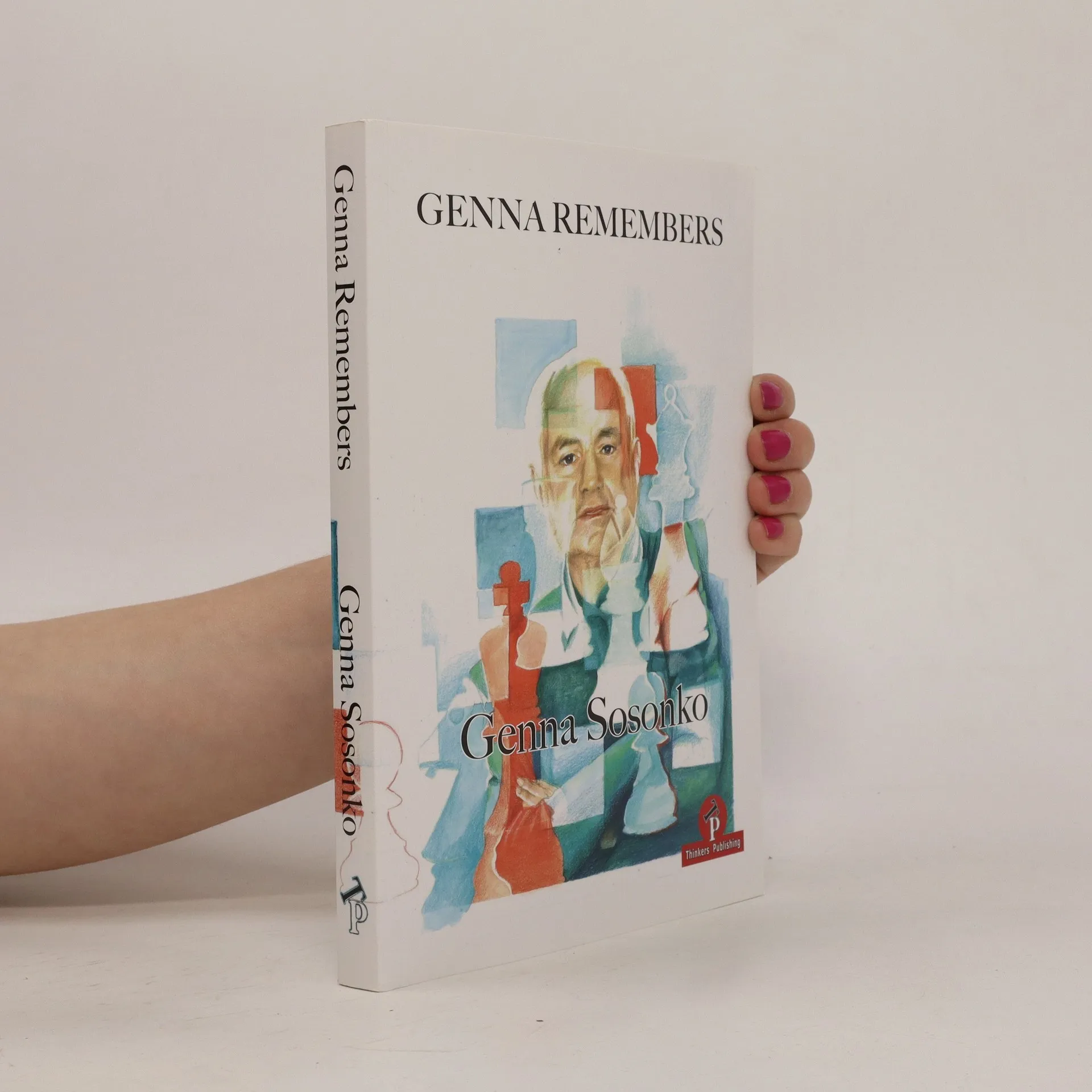
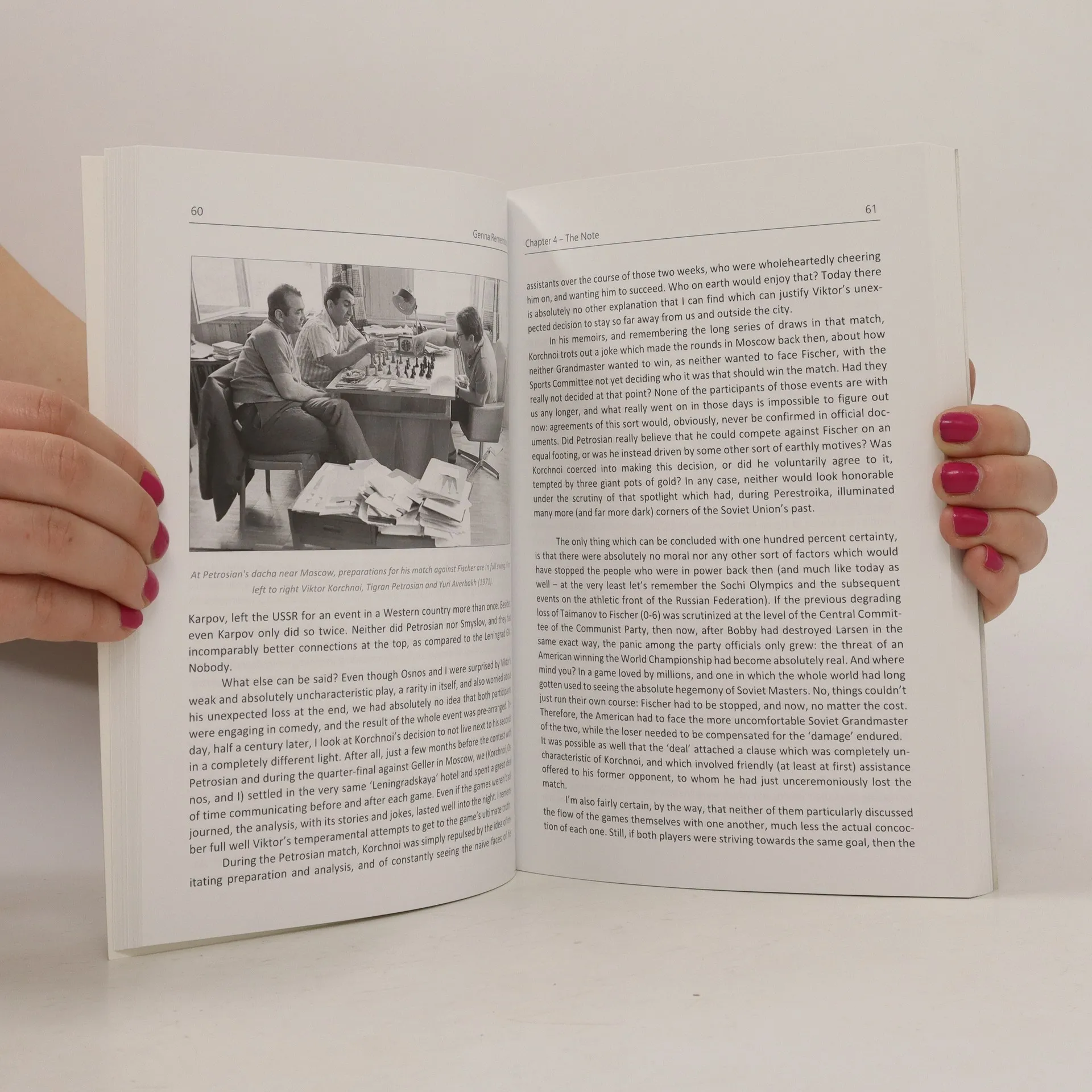
Half a century ago, I left a country marked by a dominant red on the world map, forever linking the fate of those described in this book to that now non-existent empire. Many of them, whether they stayed or left, were shaped by the Soviet mentality and culture. Transplanted into new environments, they adapted while remaining connected through their shared experience in the Soviet school of chess. This school, which began in the 1920s, gained prominence after 1945 when Soviet players, led by Mikhail Botvinnik, began to dominate international chess. The Soviet Union provided unprecedented support for its chess players, offering salaries that elevated the status of chess as a profession. Finishing anything less than first in tournaments was often deemed a failure, leading players to justify their performances to the authorities upon returning home. While other fields faced strict limitations, chess thrived, showcasing a diverse range of talents and personalities. The structure of competitions created a hierarchy, with Grandmasters revered like gods among millions of fans. The arrival of American players heightened public interest, marking a golden age for chess in the USSR. Chess was deeply intertwined with politics in this isolated society, fostering a unique culture. As time passes, I feel a duty to preserve the vibrant world of Soviet chess, ensuring it does not fade into oblivion.
Zakup książki
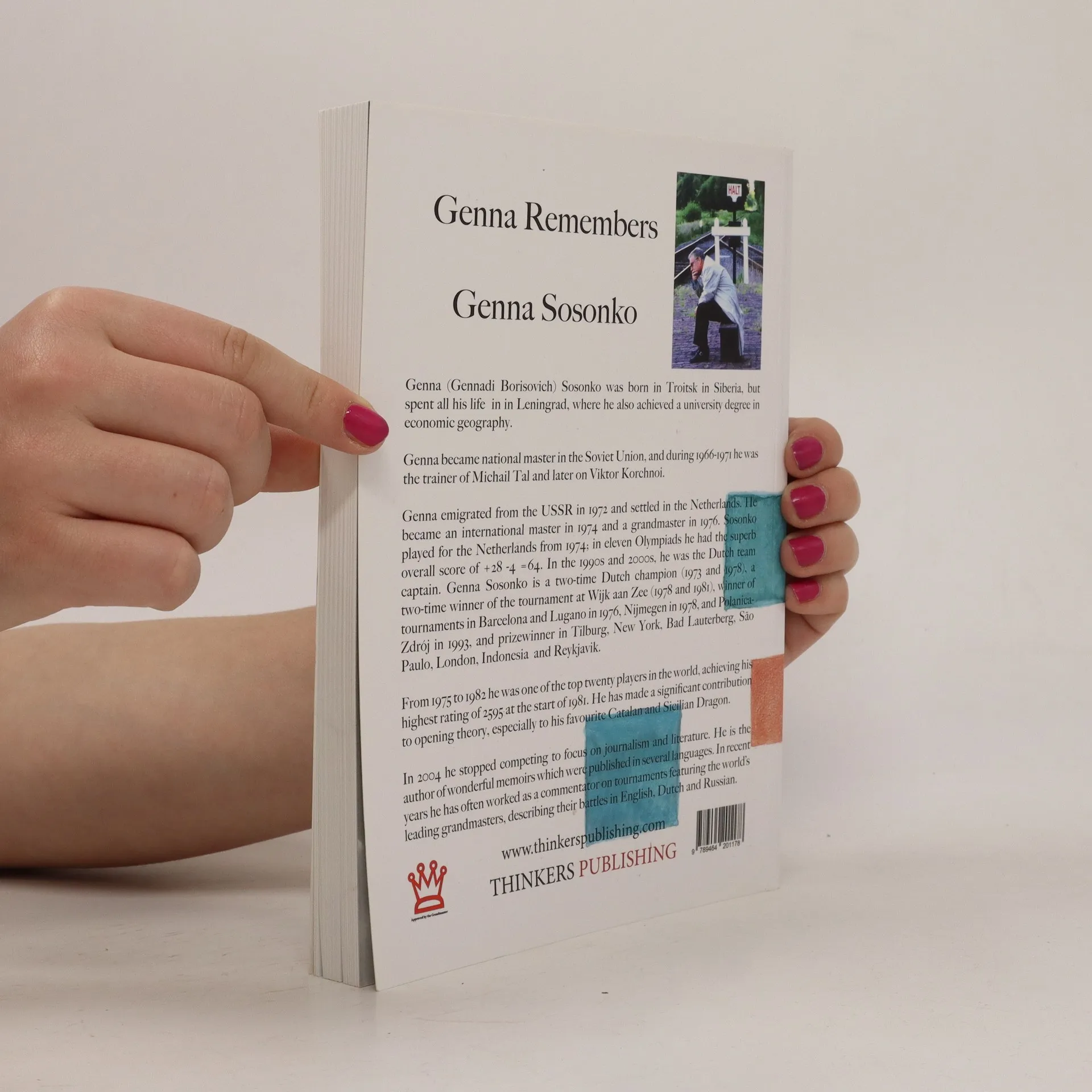
Genna Remembers, Genna Sosonko
- Język

- Rok wydania
- 2021
- Oprawa
- (miękka)
Metody płatności
Brakuje nam tutaj Twojej recenzji.
- Tytuł
- Genna Remembers
- Język
- angielski
- Autorzy
- Genna Sosonko
- Rok wydania
- 2021
- Oprawa
- miękka
- Liczba stron
- 258
- ISBN10
- 9464201177
- ISBN13
- 9789464201178
- Seria
- Kategorie
- Tagi
- Szachy
- Ocena
- 4,5 z 5
- Opis
- Half a century ago, I left a country marked by a dominant red on the world map, forever linking the fate of those described in this book to that now non-existent empire. Many of them, whether they stayed or left, were shaped by the Soviet mentality and culture. Transplanted into new environments, they adapted while remaining connected through their shared experience in the Soviet school of chess. This school, which began in the 1920s, gained prominence after 1945 when Soviet players, led by Mikhail Botvinnik, began to dominate international chess. The Soviet Union provided unprecedented support for its chess players, offering salaries that elevated the status of chess as a profession. Finishing anything less than first in tournaments was often deemed a failure, leading players to justify their performances to the authorities upon returning home. While other fields faced strict limitations, chess thrived, showcasing a diverse range of talents and personalities. The structure of competitions created a hierarchy, with Grandmasters revered like gods among millions of fans. The arrival of American players heightened public interest, marking a golden age for chess in the USSR. Chess was deeply intertwined with politics in this isolated society, fostering a unique culture. As time passes, I feel a duty to preserve the vibrant world of Soviet chess, ensuring it does not fade into oblivion.