

Więcej o książce
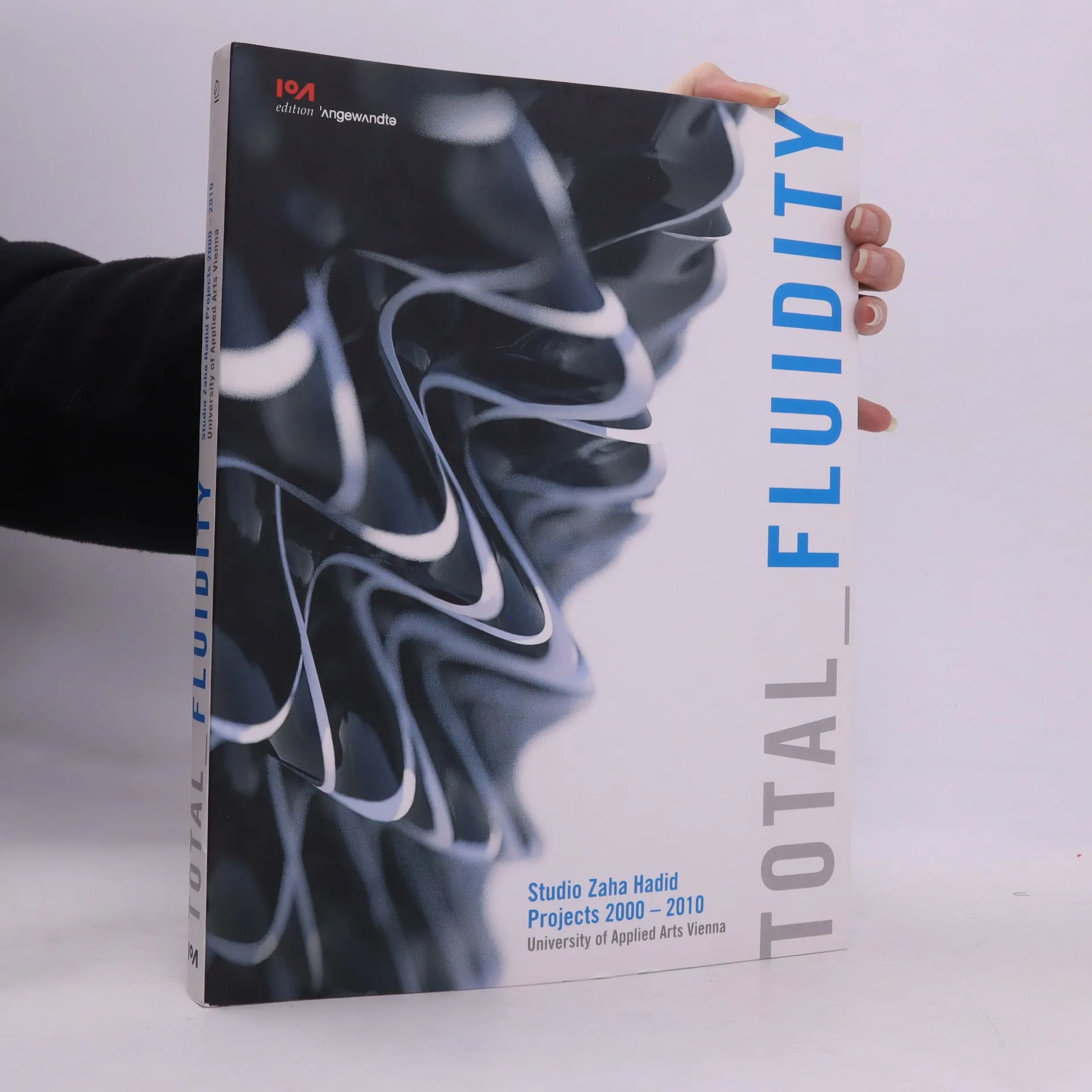
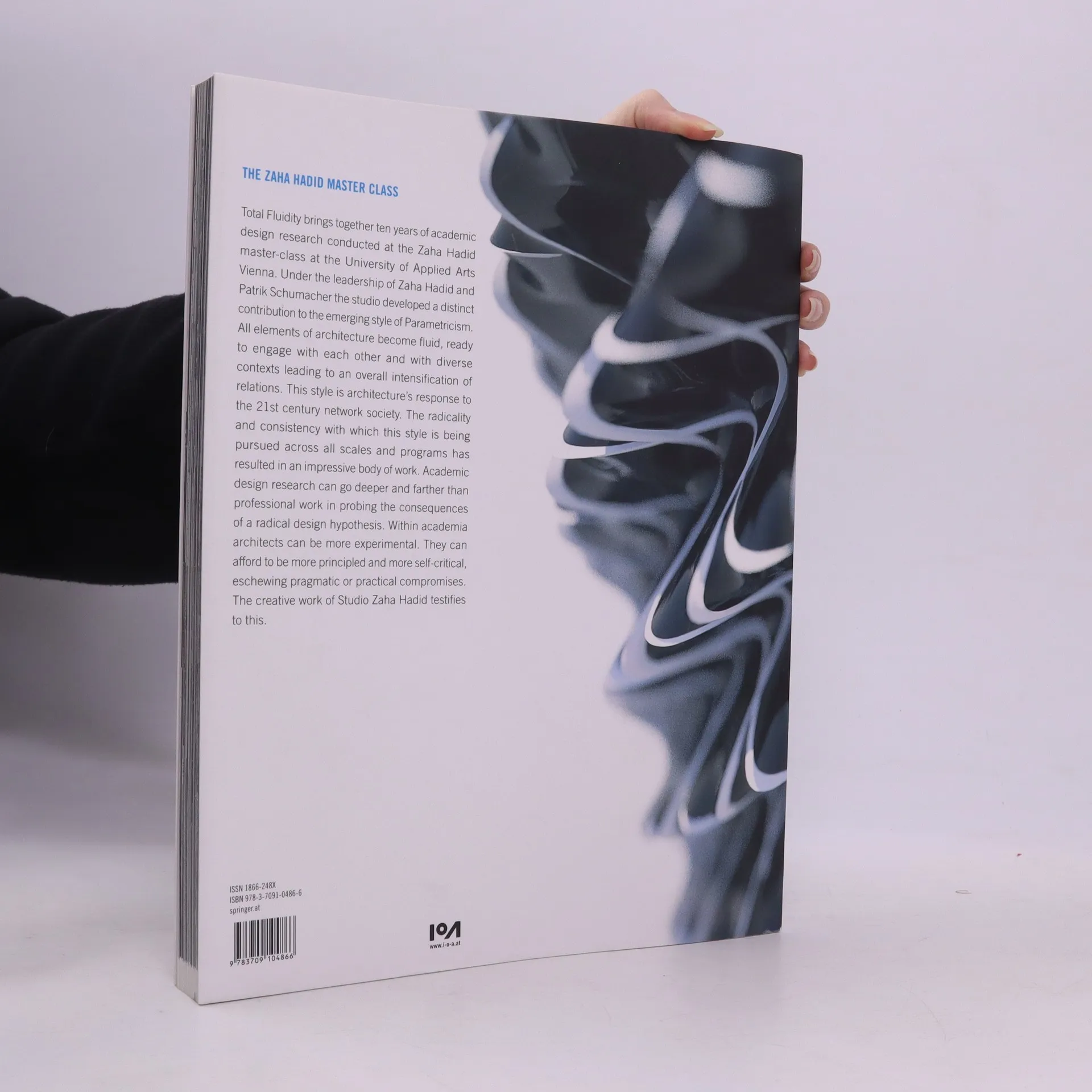
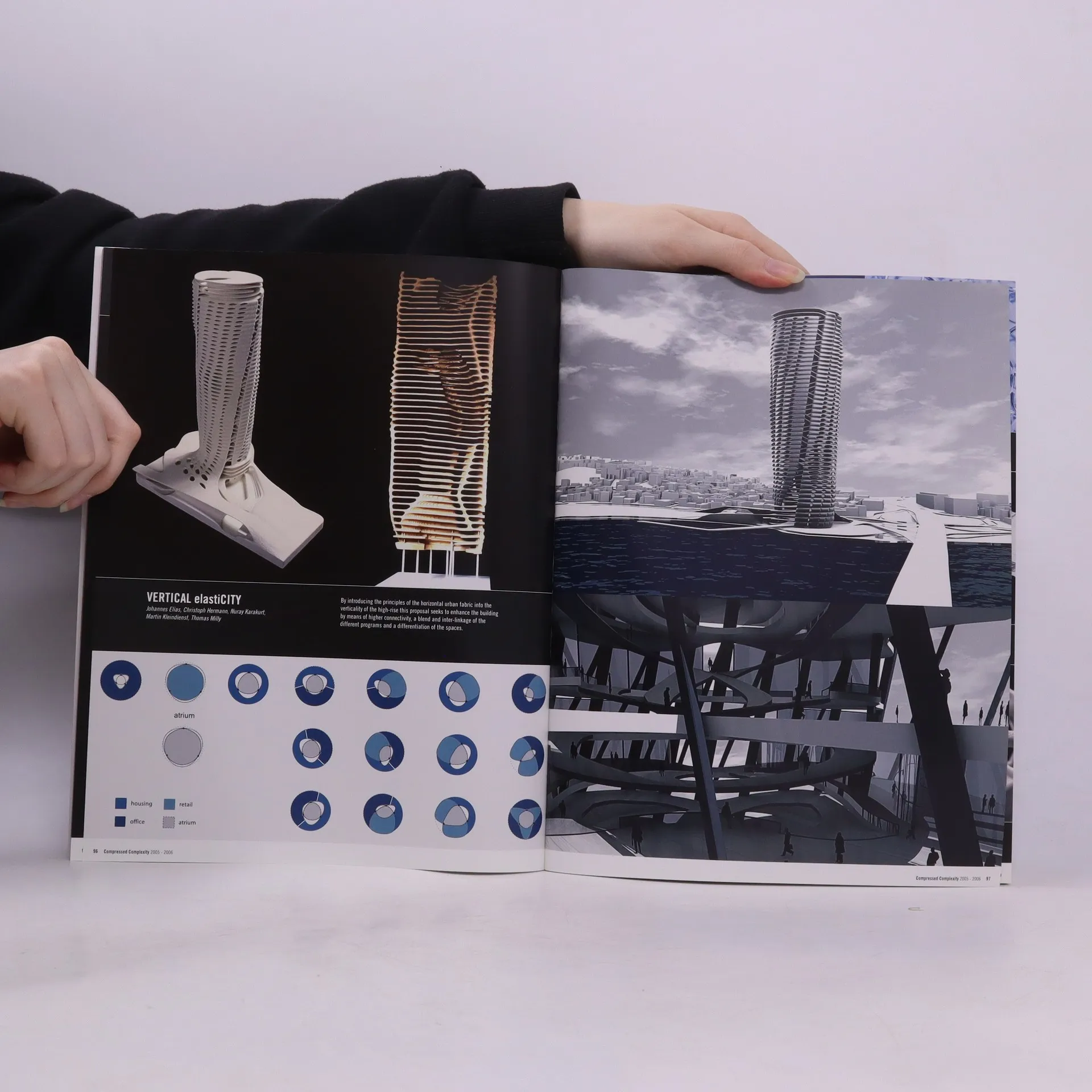
„Total Fluidity“ collects 10 years of academic design research conducted at the Zaha Hadid master-class at the University of Applied Arts in Vienna. Under the leadership of Zaha Hadid and Patrik Schumacher the studio developed a distinct contribution to the emerging style of Parametricism. All elements of architecture become fluid, ready to engage with each other and with divers contexts leading to an overall intensification of relations. This style is architecture’s response to 21st Century network society. The radicality and consistency with which this style is being pursued across all scales and programmes results in an impressive body of work. Academic design research can go deeper and farther than professional work in probing the consequences of a radical design hypothesis. Within academia architects can be more experimental. They can afford to be more principled and more self-critical, avoiding pragmatic compromises. The creative work of the Zaha Hadid Vienna studio testifies to this.
Zakup książki
Total Fluidity, Patrik Schumacher, Zaha M. Hadid, Studio Zaha Hadid Institute of Architecture
- Język

- Rok wydania
- 2011
- Oprawa
- (miękka)
Metody płatności
Brakuje nam tutaj Twojej recenzji.
- Tytuł
- Total Fluidity
- Język
- angielski
- Wydawca
- Springer
- Rok wydania
- 2011
- Oprawa
- miękka
- Liczba stron
- 260
- ISBN10
- 3709104866
- ISBN13
- 9783709104866
- Seria
- Tagi
- Architektura
- Ocena
- 3,85 z 5
- Opis
- „Total Fluidity“ collects 10 years of academic design research conducted at the Zaha Hadid master-class at the University of Applied Arts in Vienna. Under the leadership of Zaha Hadid and Patrik Schumacher the studio developed a distinct contribution to the emerging style of Parametricism. All elements of architecture become fluid, ready to engage with each other and with divers contexts leading to an overall intensification of relations. This style is architecture’s response to 21st Century network society. The radicality and consistency with which this style is being pursued across all scales and programmes results in an impressive body of work. Academic design research can go deeper and farther than professional work in probing the consequences of a radical design hypothesis. Within academia architects can be more experimental. They can afford to be more principled and more self-critical, avoiding pragmatic compromises. The creative work of the Zaha Hadid Vienna studio testifies to this.