



Parametry
Więcej o książce
This book combines a lucid exposition of the fundamental categories of Marxian political economy with an interpretive analysis of advanced capitalist development. Unlike neo-Marxist economists, who attempt to reinterpret Marx in the light of Keynes, Professor Becker adopts an unalloyed Marxist approach to the leading problems of political economy. The book forthrightly defends the labour theory of value, argues that its alleged theoretical weaknesses are groundless, and demonstrates its continuing analytic fruitfulness in the age of monopoly capitalism. In the same vein, the author explains the importance of orthodox Marxist conceptions concerning both productive and unproductive labour and productive and unproductive consumption. Professor Becker uses Marx's celebrated theorem concerning the tendency of the rate of profit to fall to analyse the current 'stagflation' crisis. He argues that officially announced goals of full employment and growth are impossible without structural change. This presentation of Marxian economics critically appraises those premises of utility maximizing and economic hedonism that often underlie conventional economic theory.
Zakup książki
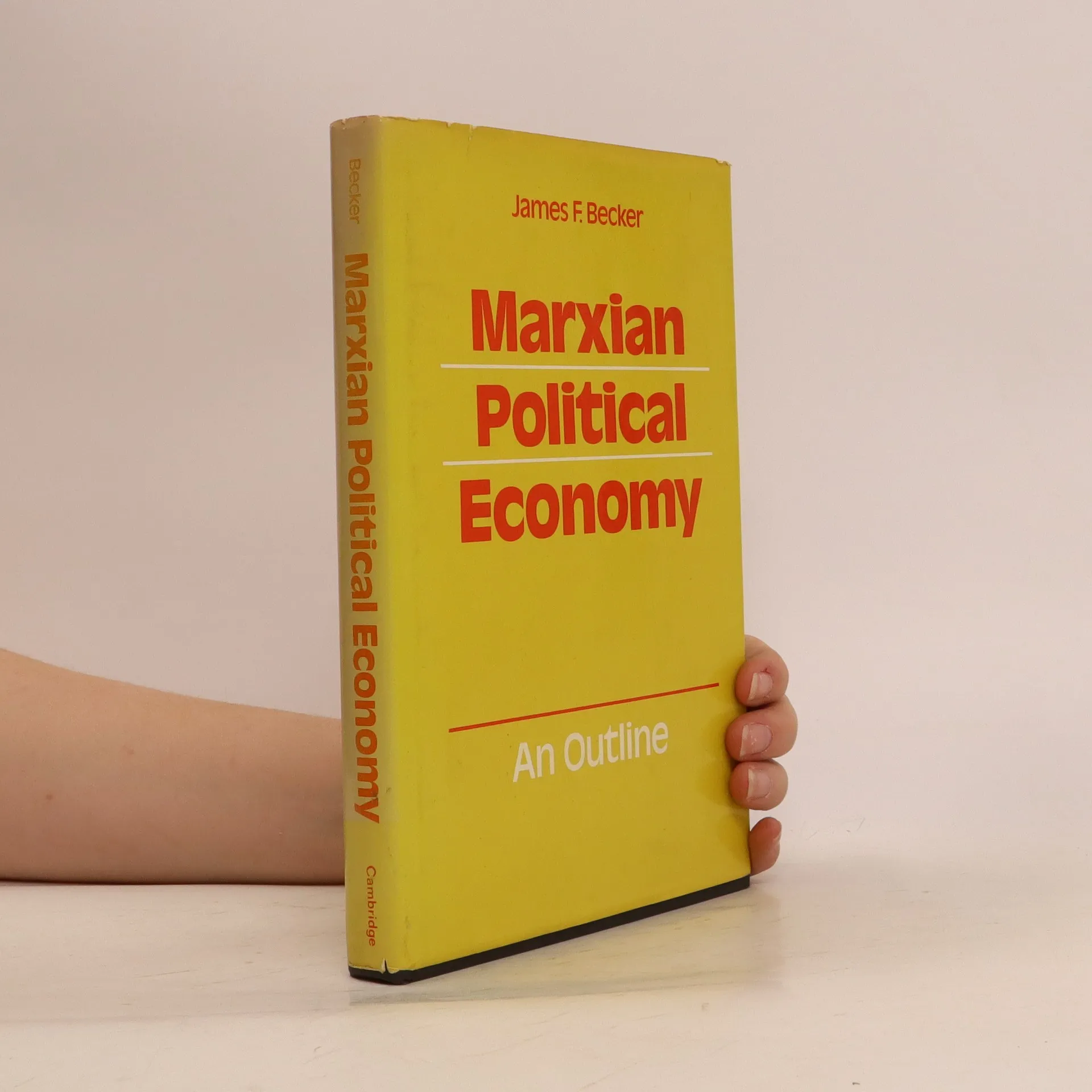
Marxian Political Economy, James F. Becker
- Język

- Rok wydania
- 1977
- Oprawa
- (twarda)
Metody płatności
Nikt jeszcze nie ocenił.
- Tytuł
- Marxian Political Economy
- Język
- angielski
- Autorzy
- James F. Becker
- Wydawca
- Cambridge University Press
- Rok wydania
- 1977
- Oprawa
- twarda
- ISBN10
- 0521213495
- ISBN13
- 9780521213493
- Seria
- Kategorie
- Tagi
- Biznes
- Opis
- This book combines a lucid exposition of the fundamental categories of Marxian political economy with an interpretive analysis of advanced capitalist development. Unlike neo-Marxist economists, who attempt to reinterpret Marx in the light of Keynes, Professor Becker adopts an unalloyed Marxist approach to the leading problems of political economy. The book forthrightly defends the labour theory of value, argues that its alleged theoretical weaknesses are groundless, and demonstrates its continuing analytic fruitfulness in the age of monopoly capitalism. In the same vein, the author explains the importance of orthodox Marxist conceptions concerning both productive and unproductive labour and productive and unproductive consumption. Professor Becker uses Marx's celebrated theorem concerning the tendency of the rate of profit to fall to analyse the current 'stagflation' crisis. He argues that officially announced goals of full employment and growth are impossible without structural change. This presentation of Marxian economics critically appraises those premises of utility maximizing and economic hedonism that often underlie conventional economic theory.