

Więcej o książce
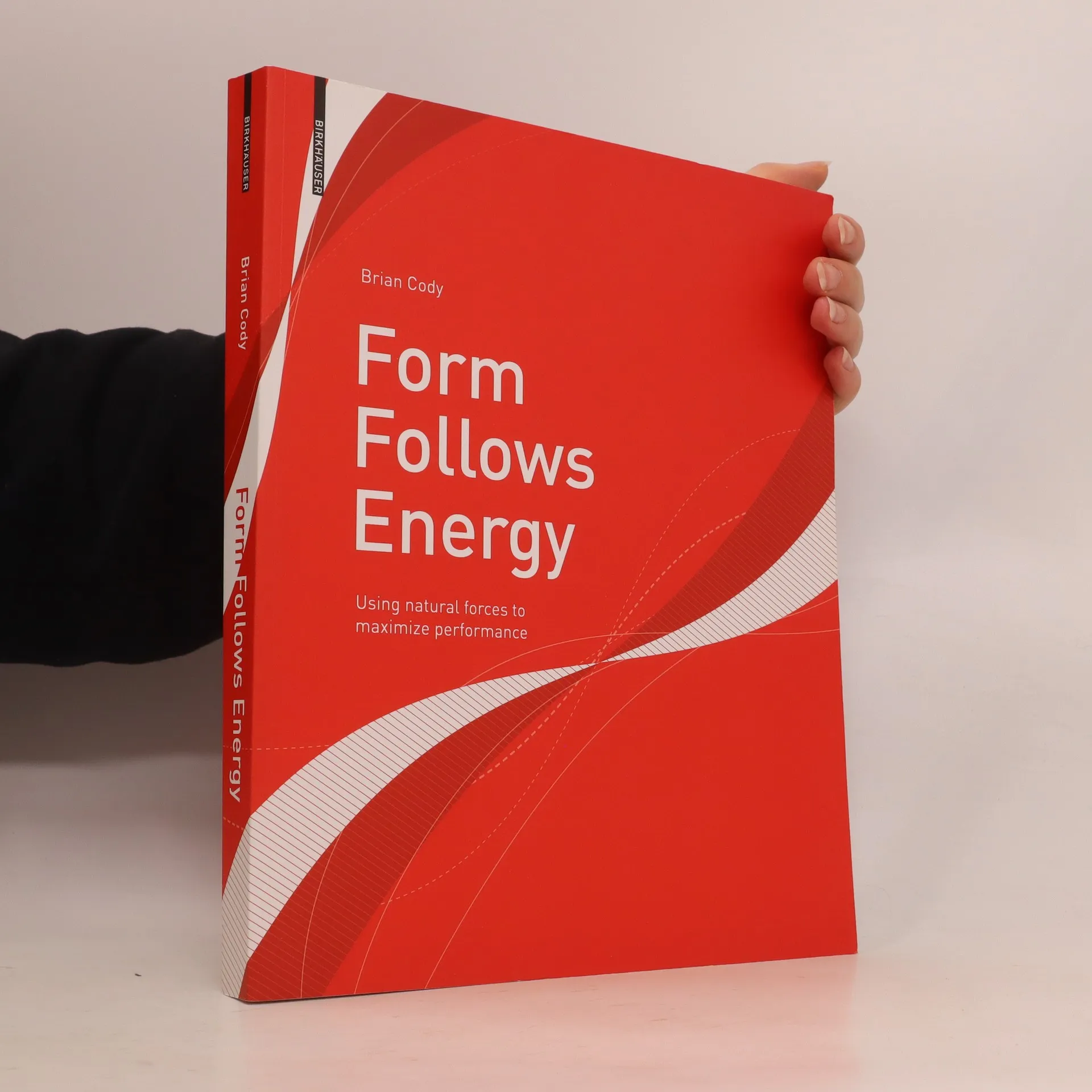
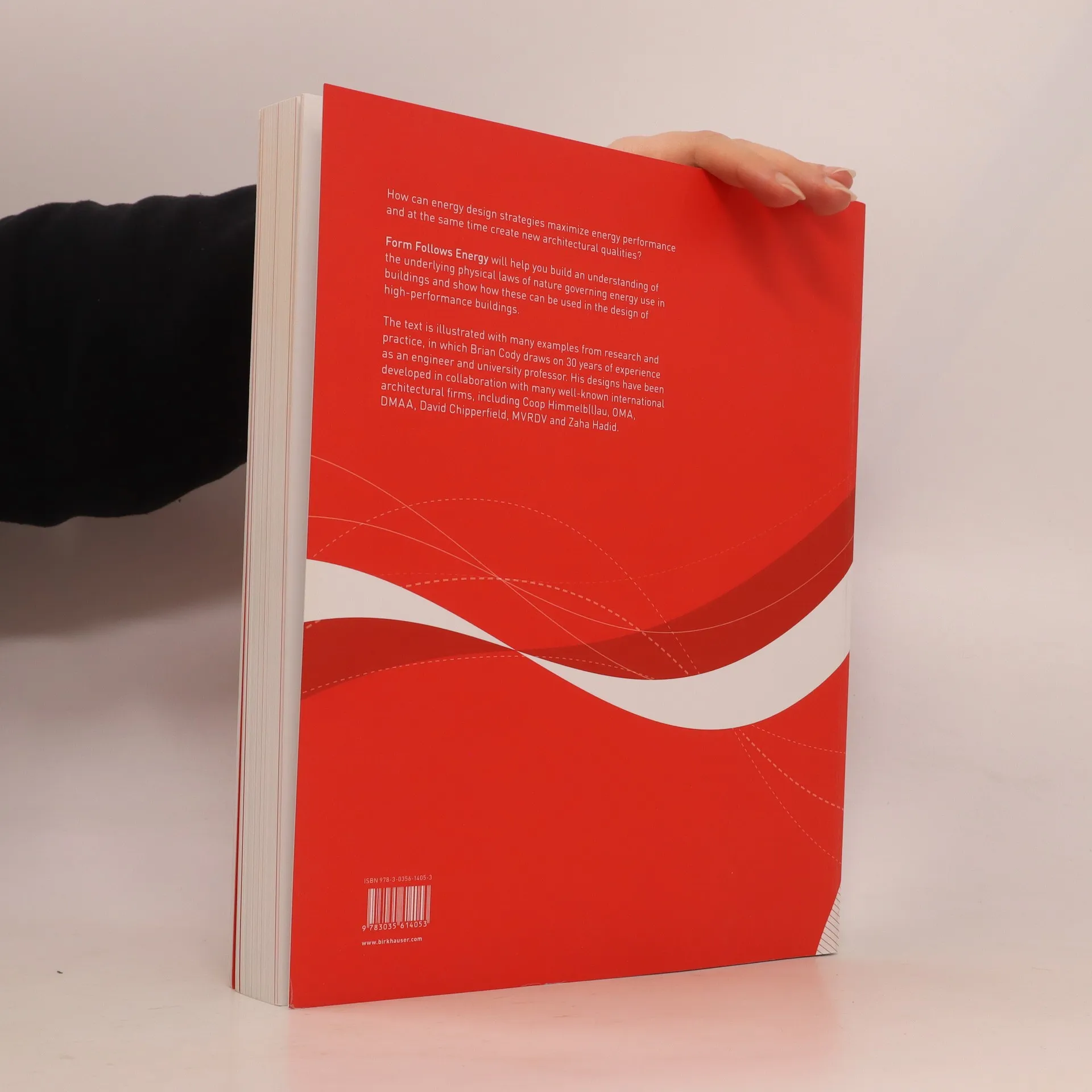
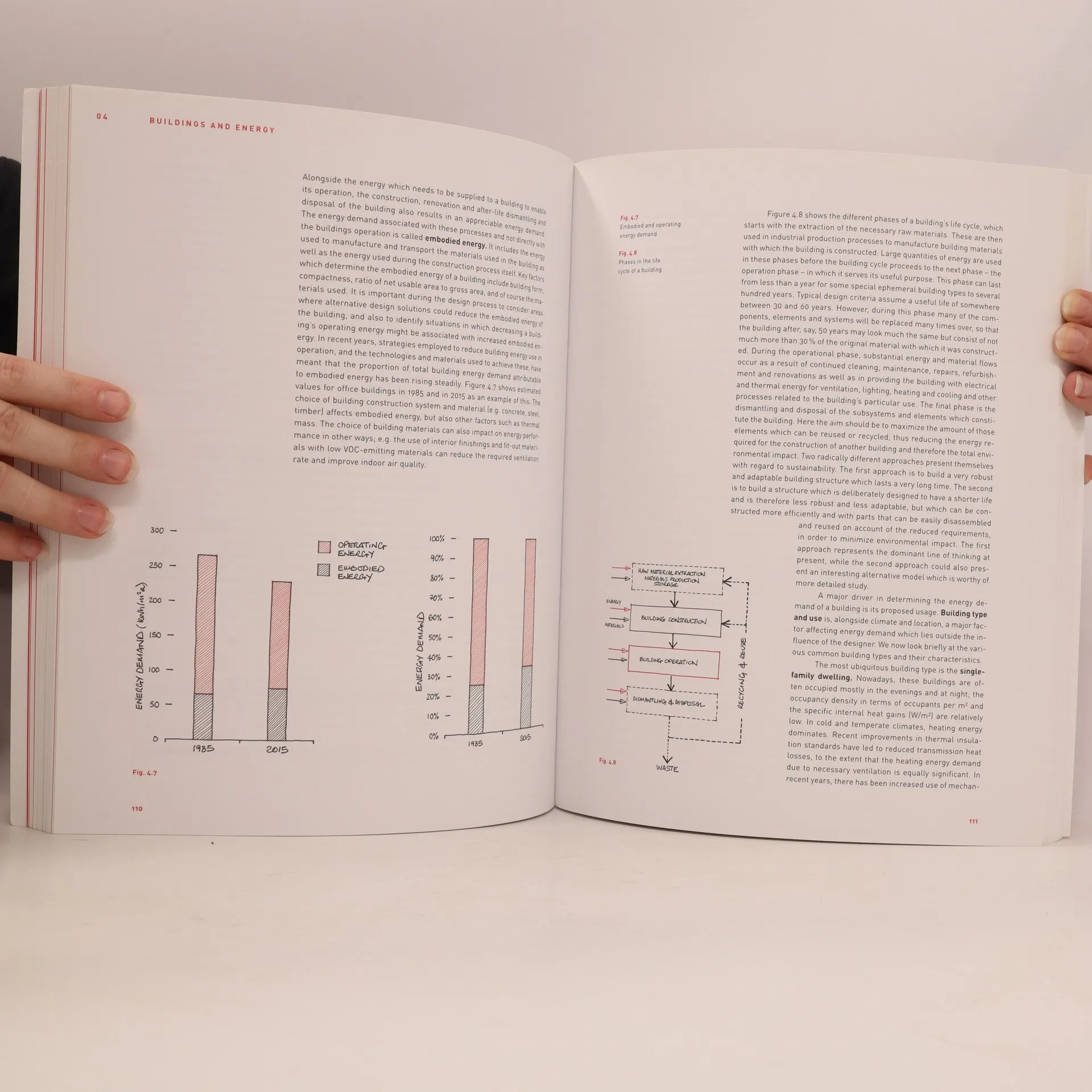
Architecture is energy. Lines drawn on paper to represent architectural intentions also imply decades and sometimes centuries of associated energy and material flows. Form Follows Energy is about the relationship between energy and the form of our built environment. It examines the optimisation of energy flows in building and urban design and the implications for form and configuration. It speaks to both architectural and engineering audiences and offers for the first time a truly interdisciplinary overview on the subject, explaining the complex relationships between energy and architecture in an easy to follow manner and using simple diagrams to show how energy design strategies can be used to maximize the energy performance of our built environment, while at the same time leading to new aesthetic qualities and radically new forms in architecture and urban design. Case studies are used to illustrate the theory. The books philosophy is based on the guiding principles underlying nearly 30 years work in practice, research and teaching. It is relatively easy to make something simple seem complicated. To make a complex topic seem simple and easily understandable is far more of a challenge and this is the aim of this book.
Zakup książki
Form Follows Energy, Brian Cody
- Język

- Rok wydania
- 2017
- Oprawa
- (miękka)
Metody płatności
Brakuje nam tutaj Twojej recenzji.
- Tytuł
- Form Follows Energy
- Podtytuł
- Using natural forces to maximize performance
- Język
- angielski
- Autorzy
- Brian Cody
- Wydawca
- Birkhäuser Verlag GmbH
- Rok wydania
- 2017
- Oprawa
- miękka
- Liczba stron
- 280
- ISBN10
- 3035614059
- ISBN13
- 9783035614053
- Seria
- Tagi
- Architektura
- Ocena
- 4 z 5
- Opis
- Architecture is energy. Lines drawn on paper to represent architectural intentions also imply decades and sometimes centuries of associated energy and material flows. Form Follows Energy is about the relationship between energy and the form of our built environment. It examines the optimisation of energy flows in building and urban design and the implications for form and configuration. It speaks to both architectural and engineering audiences and offers for the first time a truly interdisciplinary overview on the subject, explaining the complex relationships between energy and architecture in an easy to follow manner and using simple diagrams to show how energy design strategies can be used to maximize the energy performance of our built environment, while at the same time leading to new aesthetic qualities and radically new forms in architecture and urban design. Case studies are used to illustrate the theory. The books philosophy is based on the guiding principles underlying nearly 30 years work in practice, research and teaching. It is relatively easy to make something simple seem complicated. To make a complex topic seem simple and easily understandable is far more of a challenge and this is the aim of this book.