

Więcej o książce
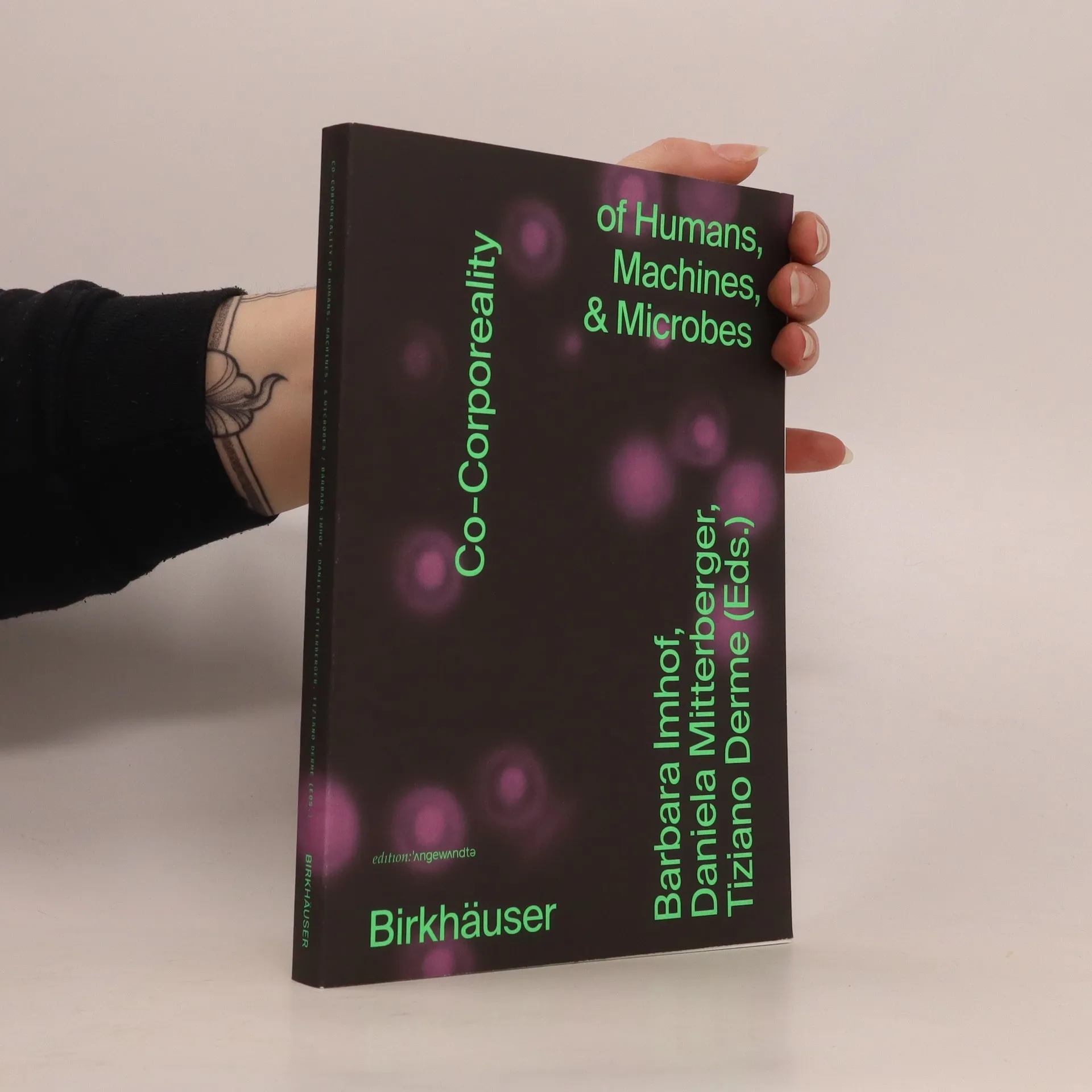
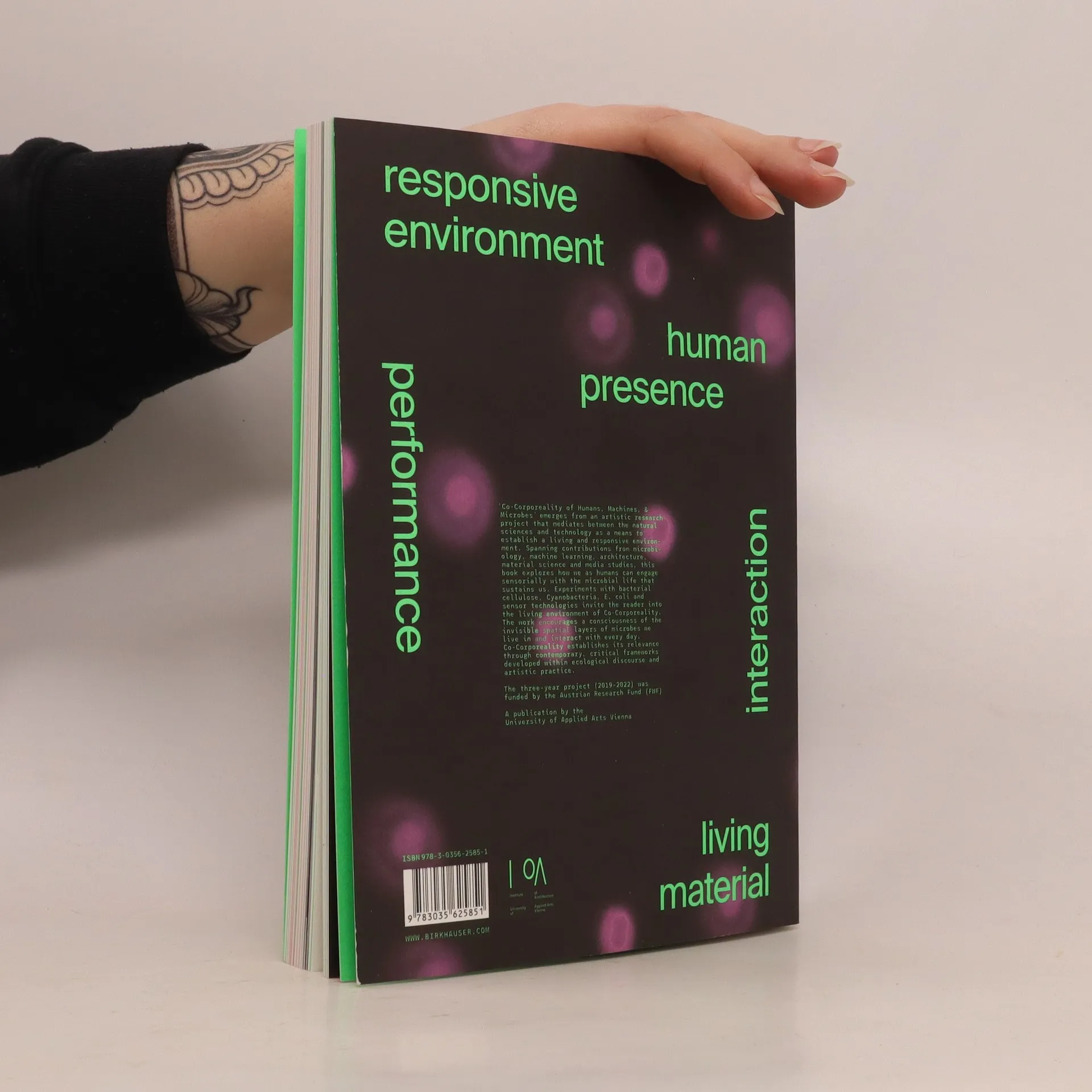
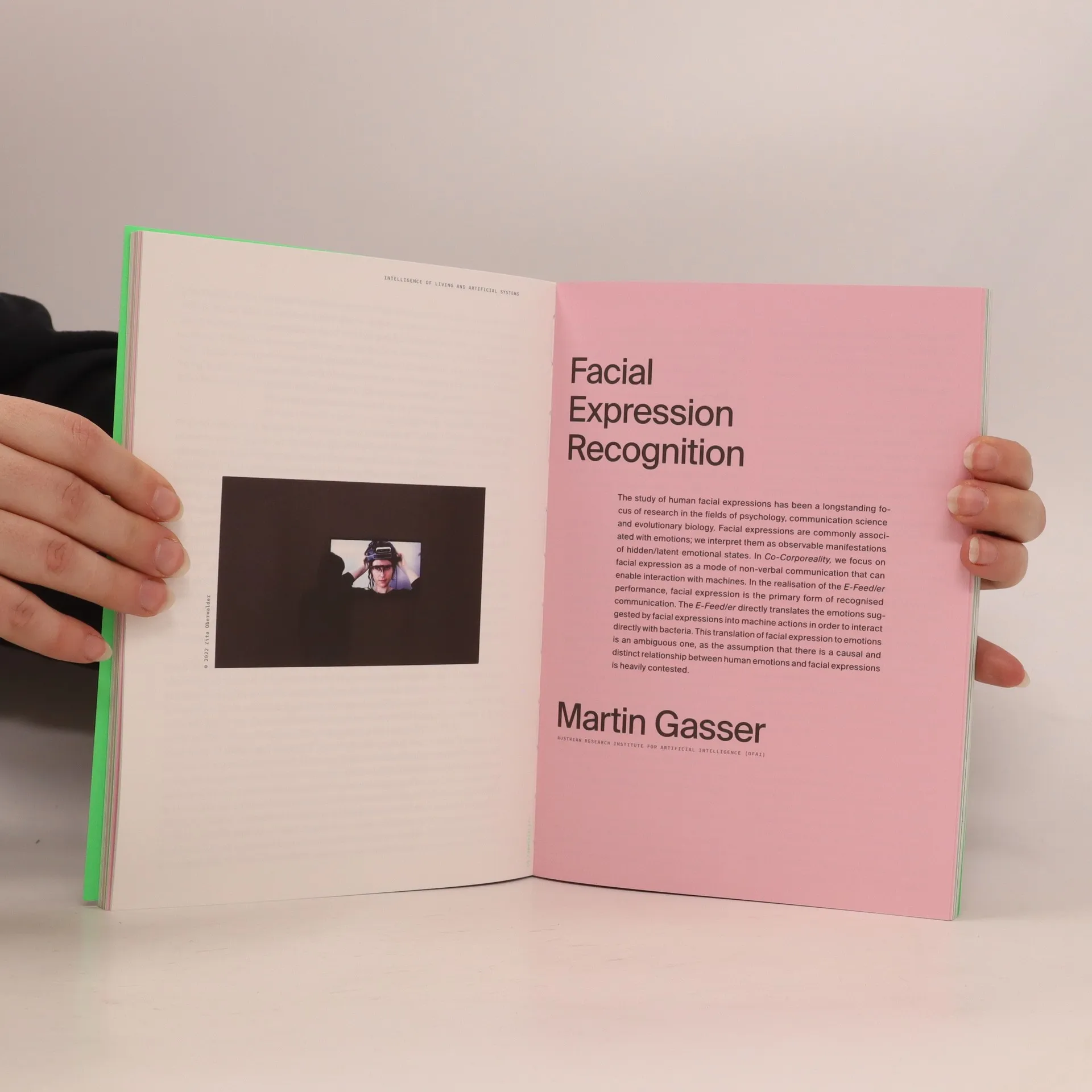
On architecture, AI, and microbiology The theory of Co-Corporeality is based on a conception of the built environment as a biological entity that opens up a space for coexistence and interaction between humans and microbial life. Based on design-led research, this book explores how we can develop environments for a multispecies world. It focuses on the agency of both human and nonhuman actors. New sensor tools enable observation of and interaction between these different actors. Co-Corporeality links microbiology to material science, artificial intelligence, and architecture. The focus is on how microbial activity can create new protoarchitectural materials, how living systems can be integrated into architecture and cooperate along different time scales. How artistic interventions connect human and nonhuman worlds through tracking systems and machine learning algorithms With essays by Rachel Armstrong, Alex Arteaga, Philip Beesley, Jens Hauser, and others Images of experiments and installations
Zakup książki
Co-Corporeality of Humans, Machines, & Microbes, Barbara Imhof, Tiziano Derme, Daniela Mitterberger
- Język

- Rok wydania
- 2022
- Oprawa
- (miękka)
Metody płatności
Nikt jeszcze nie ocenił.
- Tytuł
- Co-Corporeality of Humans, Machines, & Microbes
- Język
- angielski
- Wydawca
- Birkhäuser
- Rok wydania
- 2022
- Oprawa
- miękka
- Liczba stron
- 200
- ISBN10
- 3035625859
- ISBN13
- 9783035625851
- Seria
- Tagi
- Opis
- On architecture, AI, and microbiology The theory of Co-Corporeality is based on a conception of the built environment as a biological entity that opens up a space for coexistence and interaction between humans and microbial life. Based on design-led research, this book explores how we can develop environments for a multispecies world. It focuses on the agency of both human and nonhuman actors. New sensor tools enable observation of and interaction between these different actors. Co-Corporeality links microbiology to material science, artificial intelligence, and architecture. The focus is on how microbial activity can create new protoarchitectural materials, how living systems can be integrated into architecture and cooperate along different time scales. How artistic interventions connect human and nonhuman worlds through tracking systems and machine learning algorithms With essays by Rachel Armstrong, Alex Arteaga, Philip Beesley, Jens Hauser, and others Images of experiments and installations