

Więcej o książce
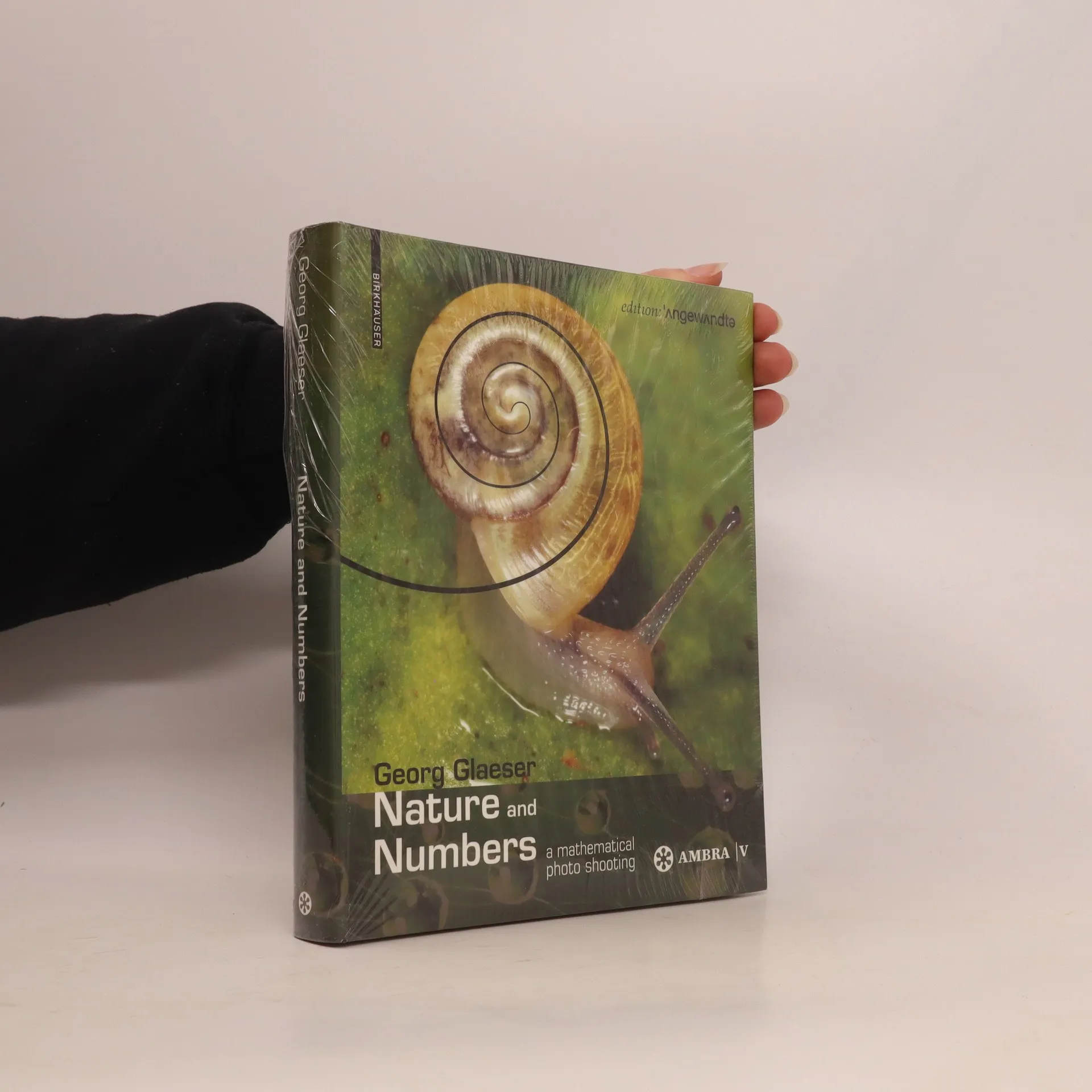
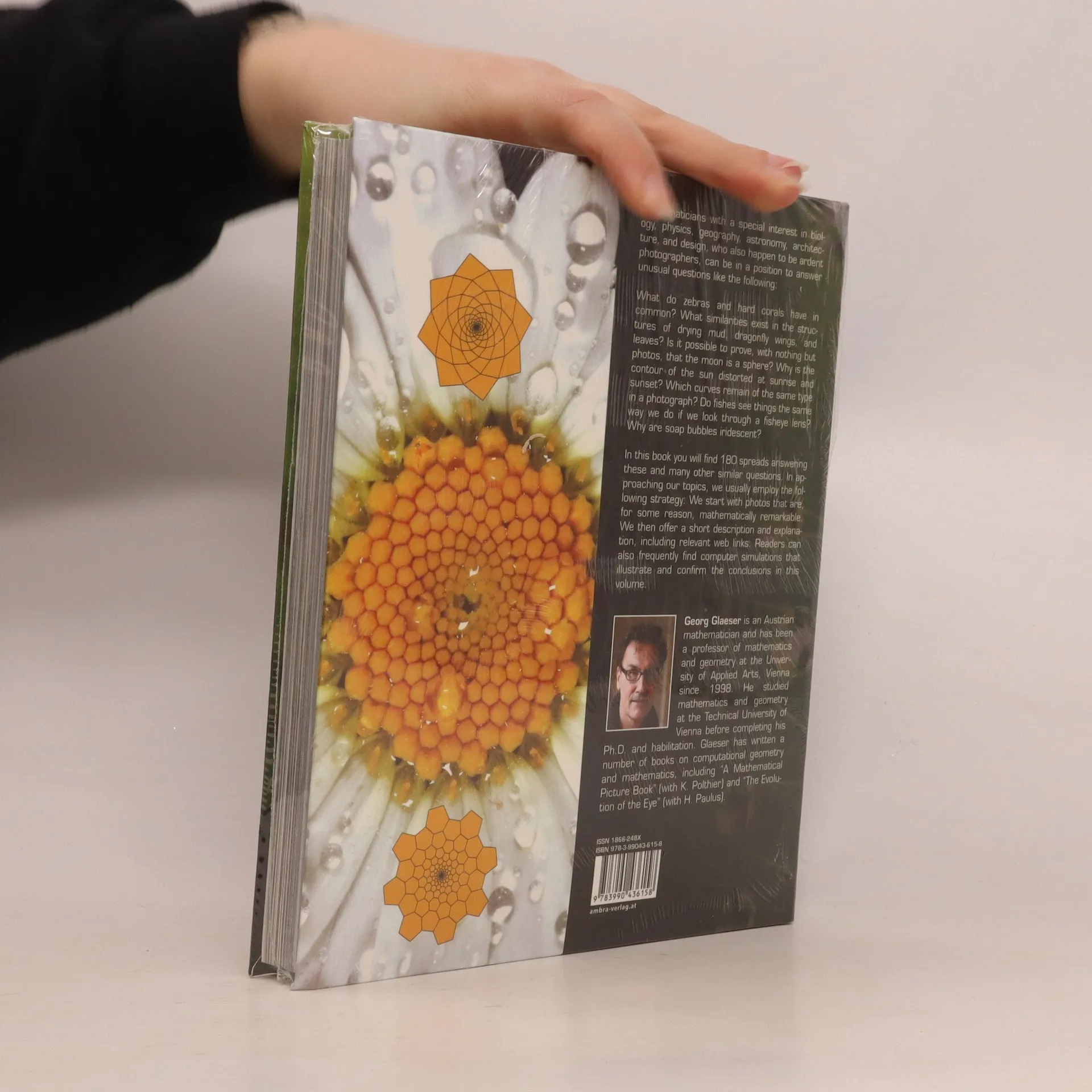
Mathematicians with special interest in biology, physics, geography, astronomy, architecture, design, etc., and being prepared to take pictures at any time, might try to answer unusual questions like the followings: What do a zebra, a tiger shark, and a hard coral have in common? How is this with drying mud, wings of dragon flies, and the structures of leaves? What is the “snail king” and is there also a “worm king”? Which curves stay of the same type after being photographed? Do fishes see like we do if we look through a fisheye lens? Which geometric properties of an object have physical consequences? Which kinds of geometric patterns appear when waves are interfering? In this book you can find 180 double pages with at least as many questions of this kind. The principle to attack a problem is often similar: It starts with a photo that is for some reasons remarkable. In a short description an explanation is offered, including relevant Internet links. Additionally one can frequently find computer simulations in order to illustrate and confirm.
Zakup książki
Nature and Numbers, Hans-Georg Glaeßer
- Język

- Rok wydania
- 2013
- Oprawa
- (twarda)
Metody płatności
Brakuje nam tutaj Twojej recenzji.
- Tytuł
- Nature and Numbers
- Podtytuł
- A Mathematical Photo Shooting
- Język
- angielski
- Autorzy
- Hans-Georg Glaeßer
- Wydawca
- Birkhäuser
- Rok wydania
- 2013
- Oprawa
- twarda
- Liczba stron
- 360
- ISBN10
- 3990436155
- ISBN13
- 9783990436158
- Seria
- Ocena
- 3 z 5
- Opis
- Mathematicians with special interest in biology, physics, geography, astronomy, architecture, design, etc., and being prepared to take pictures at any time, might try to answer unusual questions like the followings: What do a zebra, a tiger shark, and a hard coral have in common? How is this with drying mud, wings of dragon flies, and the structures of leaves? What is the “snail king” and is there also a “worm king”? Which curves stay of the same type after being photographed? Do fishes see like we do if we look through a fisheye lens? Which geometric properties of an object have physical consequences? Which kinds of geometric patterns appear when waves are interfering? In this book you can find 180 double pages with at least as many questions of this kind. The principle to attack a problem is often similar: It starts with a photo that is for some reasons remarkable. In a short description an explanation is offered, including relevant Internet links. Additionally one can frequently find computer simulations in order to illustrate and confirm.