

Więcej o książce
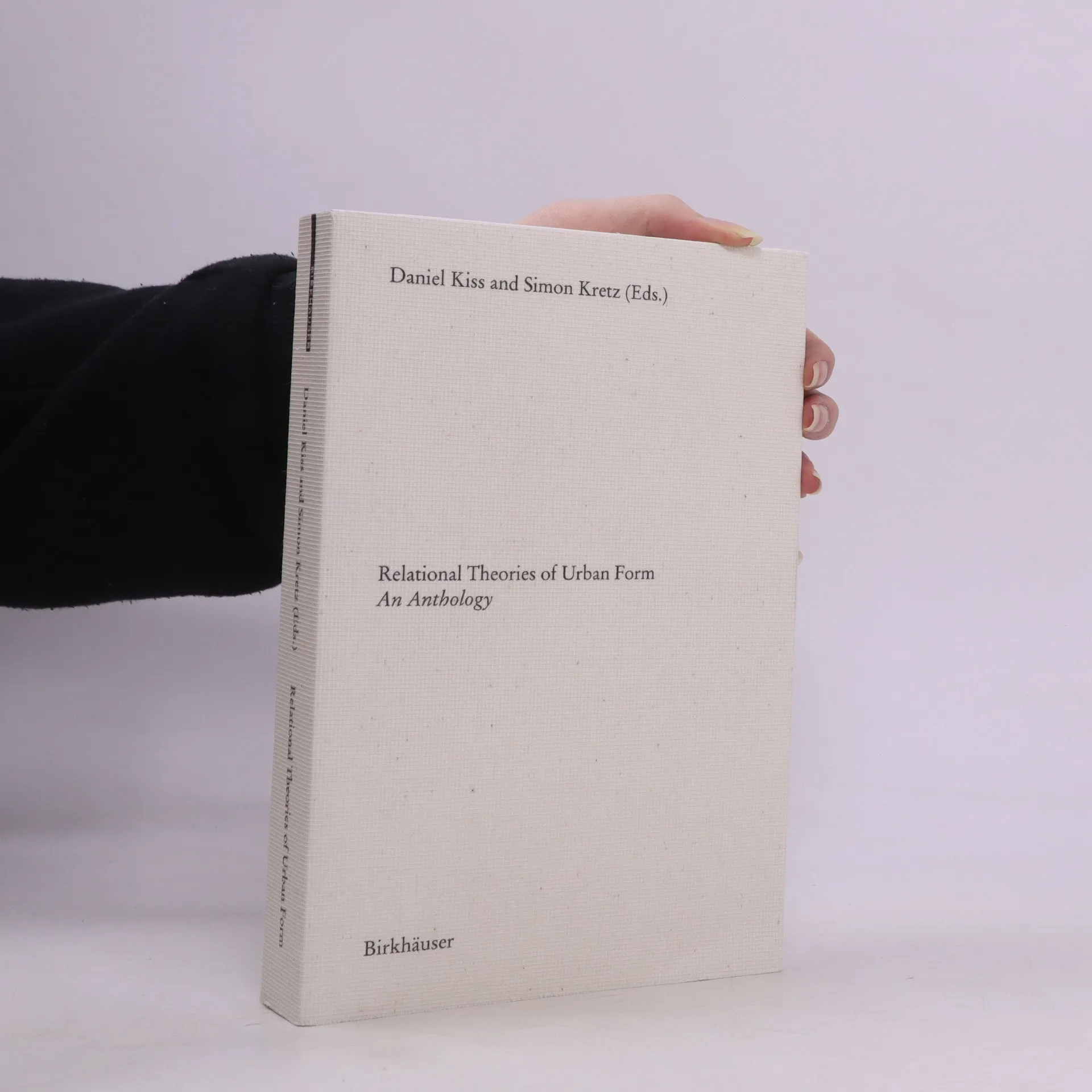
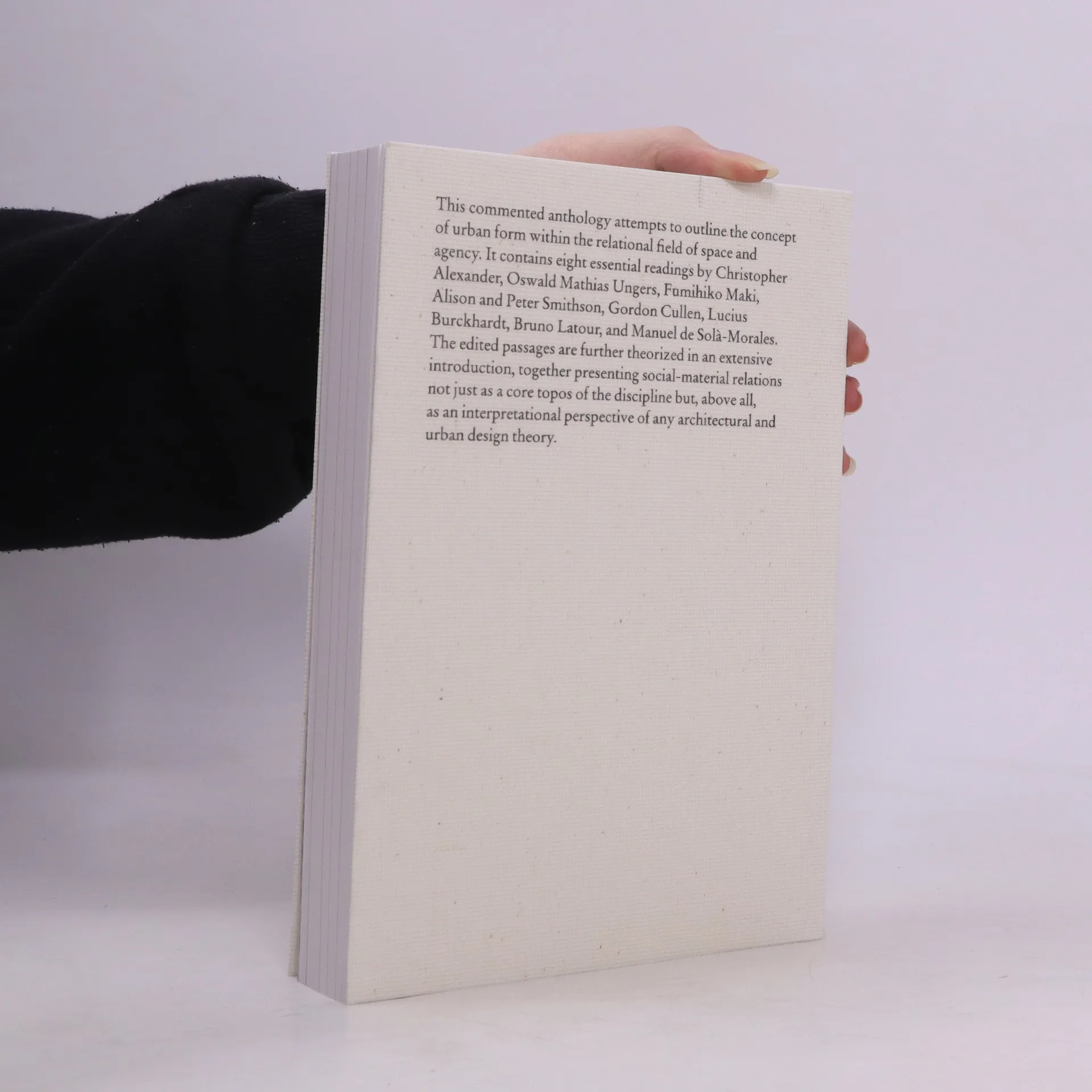
This commentated anthology contains essential passages from eight important architecture and urban design theory texts from the 1960s to the 2010s. With these excerpts, the editors discursively outline the concept of form as a relational field of tension between man and material. The relational element is treated not only as a topos, but above all the interpretational perspective of architectural theory. The texts are arranged under the guiding themes of Type, Process, Place, and Things. The texts themselves were written by authors including Christopher Alexander, Oswald Mathias Ungers, Fumihiko Maki, Alison and Peter Smithson, Lucius Burckhardt, Bruno Latour, and Manuel de Solà-Morales. They offer a paradigmatic foundation that encourages further research and the continued view through the „relational lens.“
Zakup książki
Relational Theories of Urban Form, Simon Kretz, Daniel Kiss
- Język

- Rok wydania
- 2021
- Oprawa
- (miękka)
Metody płatności
Brakuje nam tutaj Twojej recenzji.
- Tytuł
- Relational Theories of Urban Form
- Podtytuł
- An Anthology
- Język
- angielski
- Autorzy
- Simon Kretz, Daniel Kiss
- Wydawca
- Birkhäuser
- Rok wydania
- 2021
- Oprawa
- miękka
- Liczba stron
- 464
- ISBN10
- 3035620768
- ISBN13
- 9783035620764
- Seria
- Tagi
- Architektura
- Ocena
- 5 z 5
- Opis
- This commentated anthology contains essential passages from eight important architecture and urban design theory texts from the 1960s to the 2010s. With these excerpts, the editors discursively outline the concept of form as a relational field of tension between man and material. The relational element is treated not only as a topos, but above all the interpretational perspective of architectural theory. The texts are arranged under the guiding themes of Type, Process, Place, and Things. The texts themselves were written by authors including Christopher Alexander, Oswald Mathias Ungers, Fumihiko Maki, Alison and Peter Smithson, Lucius Burckhardt, Bruno Latour, and Manuel de Solà-Morales. They offer a paradigmatic foundation that encourages further research and the continued view through the „relational lens.“