

Więcej o książce
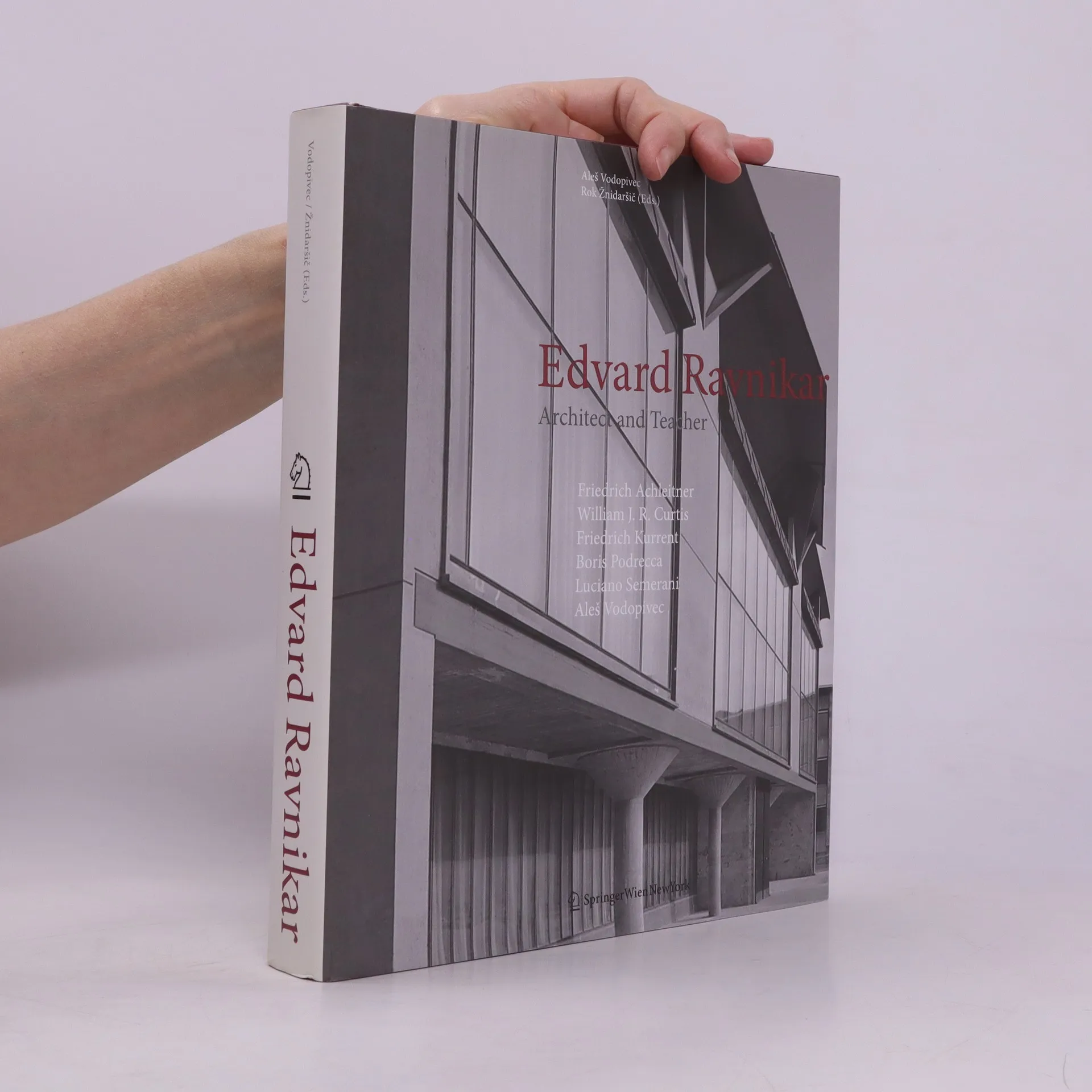
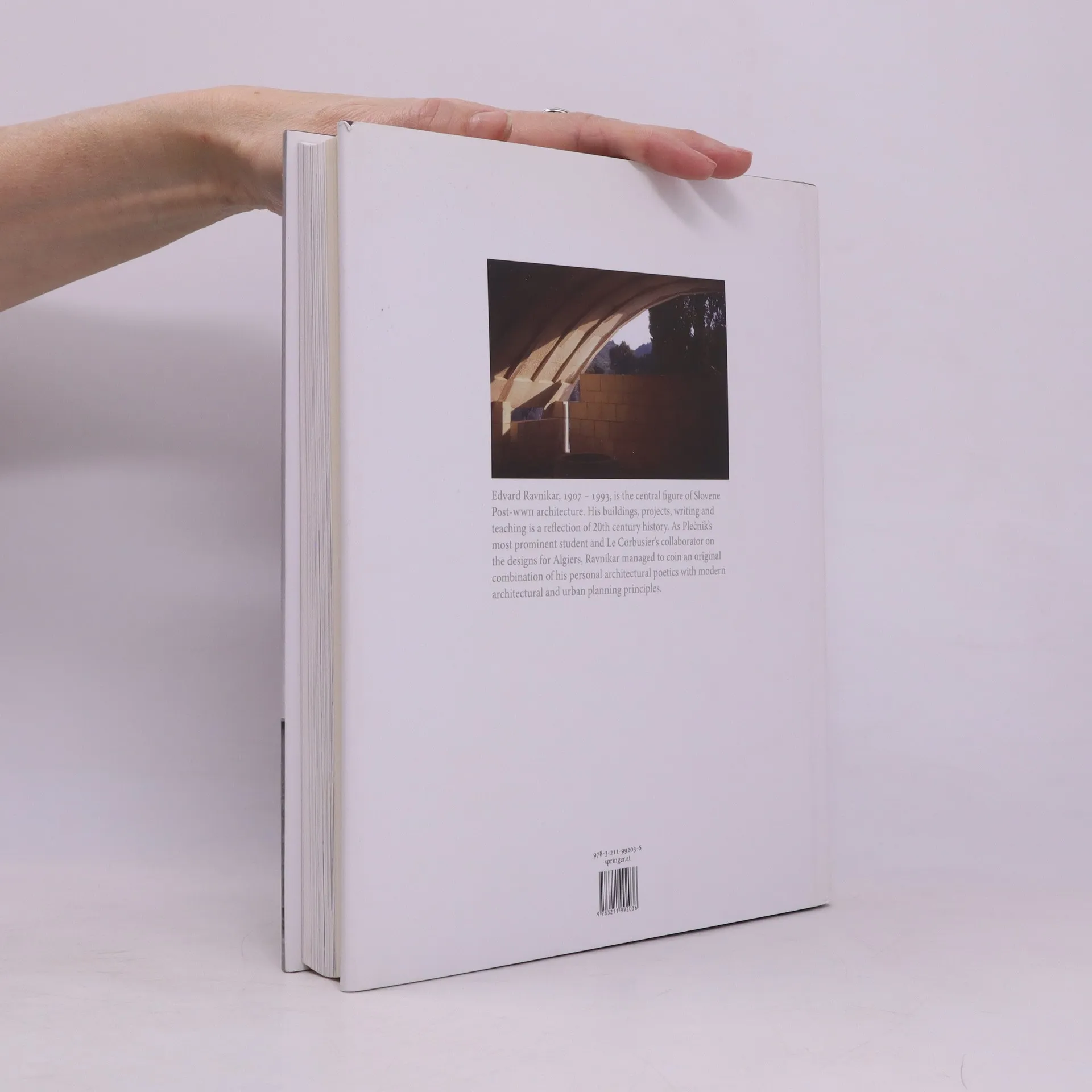
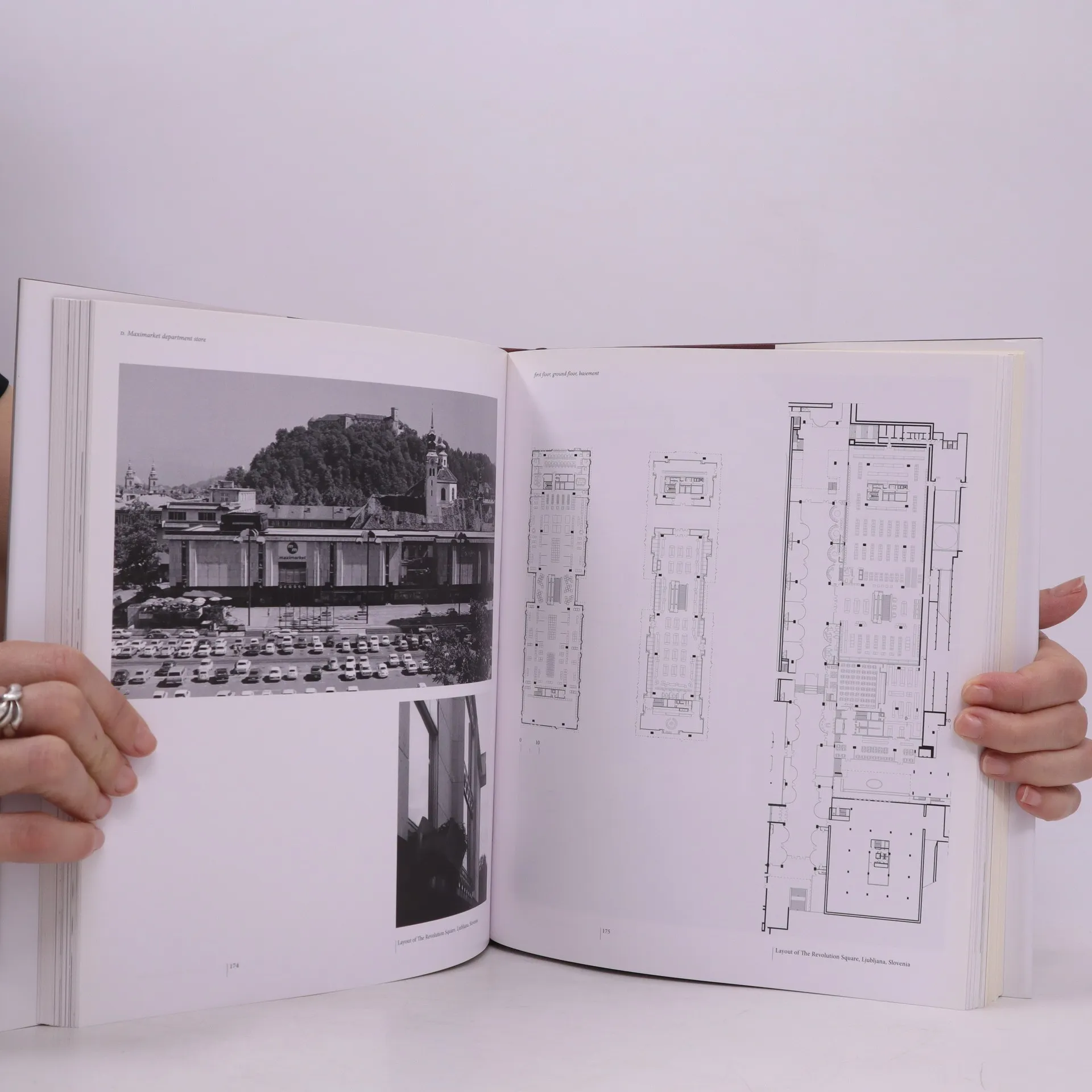
Ravnikar, 1907–1993, is considered the central figure in Slovenia’s post-WWII architecture. He was Joze Plecnik’s most famous student. Plecnik studied under Otto Wagner. Ravnikar worked for Le Corbusier in Paris as of 1939 after completing his studies in 1935. His thorough planning reflects Plecnik’s poetic architecture, while his formal work was in line with Le Corbusier’s vision of urban planning and modern architecture. Ravnikar was his own man artistically, and wasn’t only successful as an architect. How work also made him an important personage in the development of the architecture department. He was a critic and essayist for the Slovenian and international media. All of this influenced generations of Slovenian architects and explains why Ravnikar can be felt in almost all major Slovenian buildings and monuments. This monograph can be viewed as the result of an examination of Ravnikar’s oeuvre. It contains documentation on his buildings and written work, as well as contributions by Friedrich Achleitner, William J. R. Curtis, Friedrich Kurrent, Boris Podrecca and many others.
Zakup książki
Edvard Ravnikar, Ales Vodopivec, Rok Znidarsic
- Język

- Rok wydania
- 2009
- Oprawa
- (twarda)
Metody płatności
Brakuje nam tutaj Twojej recenzji.
- Tytuł
- Edvard Ravnikar
- Język
- angielski
- Autorzy
- Ales Vodopivec, Rok Znidarsic
- Wydawca
- Springer
- Rok wydania
- 2009
- Oprawa
- twarda
- Liczba stron
- 347
- ISBN10
- 3211992030
- ISBN13
- 9783211992036
- Seria
- Tagi
- Architektura
- Ocena
- 4 z 5
- Opis
- Ravnikar, 1907–1993, is considered the central figure in Slovenia’s post-WWII architecture. He was Joze Plecnik’s most famous student. Plecnik studied under Otto Wagner. Ravnikar worked for Le Corbusier in Paris as of 1939 after completing his studies in 1935. His thorough planning reflects Plecnik’s poetic architecture, while his formal work was in line with Le Corbusier’s vision of urban planning and modern architecture. Ravnikar was his own man artistically, and wasn’t only successful as an architect. How work also made him an important personage in the development of the architecture department. He was a critic and essayist for the Slovenian and international media. All of this influenced generations of Slovenian architects and explains why Ravnikar can be felt in almost all major Slovenian buildings and monuments. This monograph can be viewed as the result of an examination of Ravnikar’s oeuvre. It contains documentation on his buildings and written work, as well as contributions by Friedrich Achleitner, William J. R. Curtis, Friedrich Kurrent, Boris Podrecca and many others.