

Więcej o książce
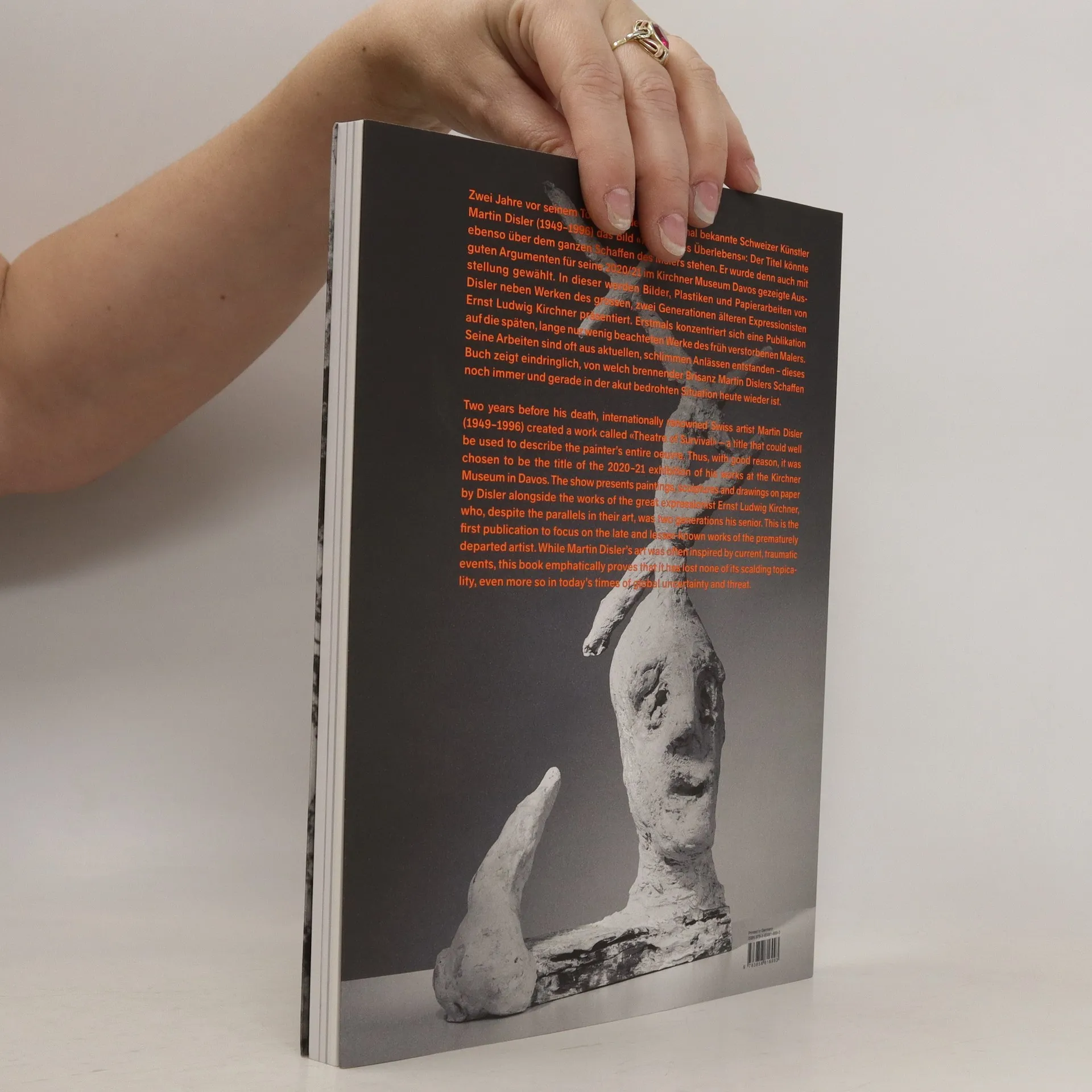
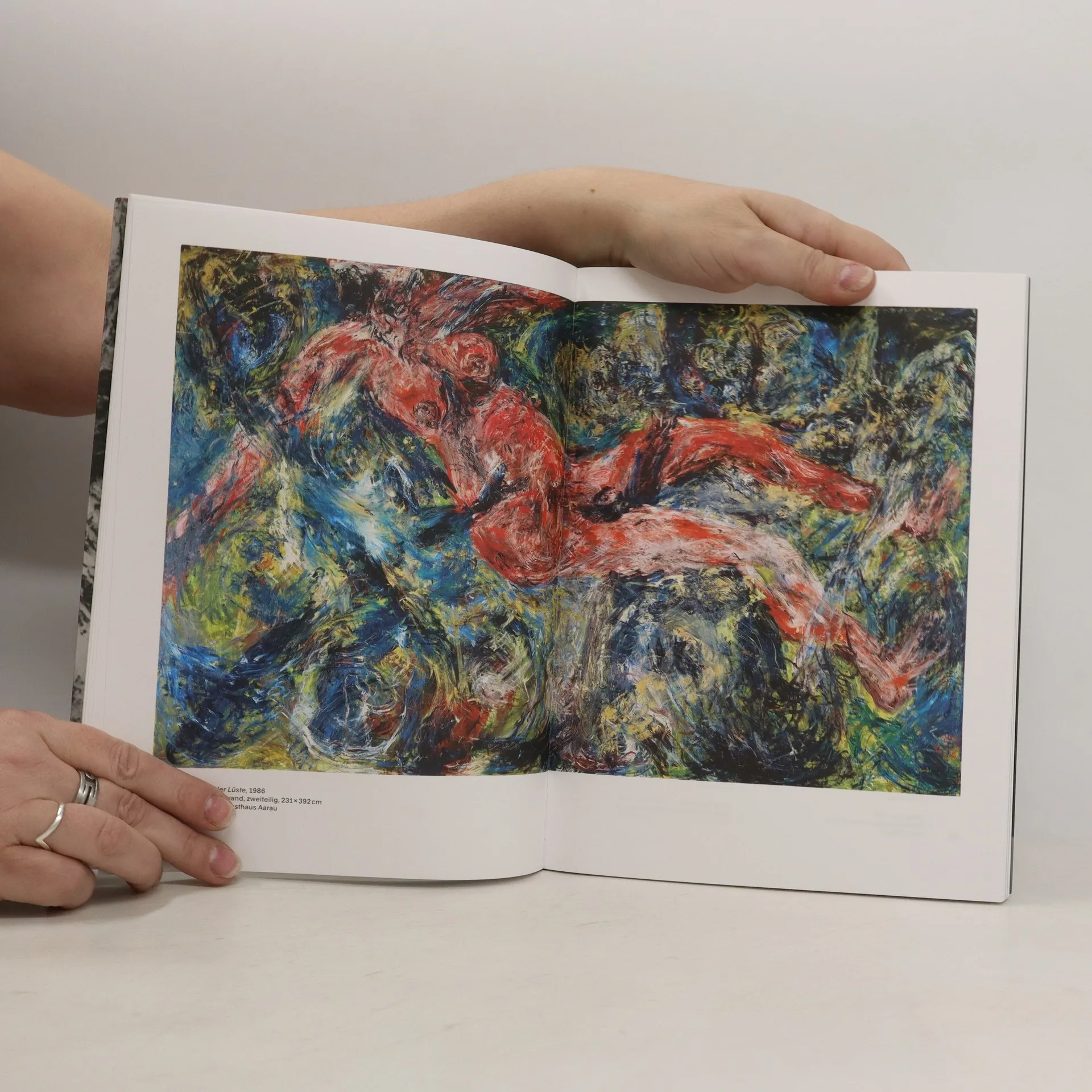
Martin Disler (1949-1996) was arguably Switzerland’s most renownded young artist of the 1980s. Gaining early recognition primarily as a draftsman, he became an internationally celebrated painter after 1980. In the last decade of his relatively short life, which he spent in virtual seclusion, Disler also turned to sculpture. Throughout his entire career, he also wrote poems and literary texts. Self-taught in all disciplines, he constantly struggled in search of his unique visual language and for the major themes that connect his entire manifold oeuvre: love and sex, anger and tenderness, war and violence, illness and death. Regarded as a representative of a wild or neo-expressive style in painting at the peak of his career, Disler always remained an utterly independent loner. This monograph is the first book to examine the various disciplines in Disler's late work, highlighting the importance of the body and its role in the creative act.
Zakup książki
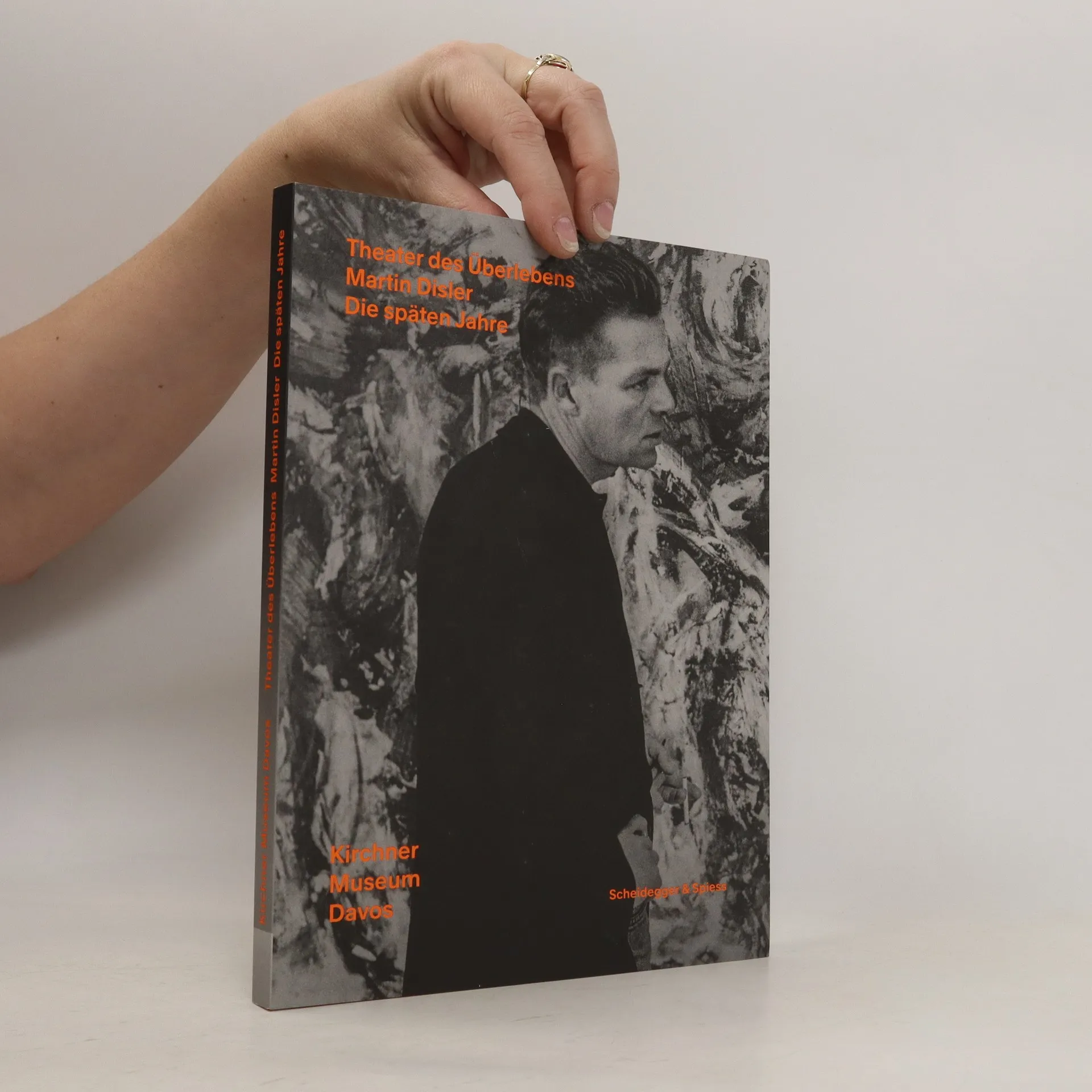
Theater des Überlebens. Martin Disler. Die späten Jahre, Martin Disler
- Język

- Rok wydania
- 2021
- Oprawa
- (miękka)
Metody płatności
Nikt jeszcze nie ocenił.
- Tytuł
- Theater des Überlebens. Martin Disler. Die späten Jahre
- Język
- niemiecki
- Autorzy
- Martin Disler
- Wydawca
- Kirchner-Museum
- Rok wydania
- 2021
- Oprawa
- miękka
- Liczba stron
- 144
- ISBN10
- 385881699X
- ISBN13
- 9783858816993
- Seria
- Tagi
- Sztuki piękne
- Opis
- Martin Disler (1949-1996) was arguably Switzerland’s most renownded young artist of the 1980s. Gaining early recognition primarily as a draftsman, he became an internationally celebrated painter after 1980. In the last decade of his relatively short life, which he spent in virtual seclusion, Disler also turned to sculpture. Throughout his entire career, he also wrote poems and literary texts. Self-taught in all disciplines, he constantly struggled in search of his unique visual language and for the major themes that connect his entire manifold oeuvre: love and sex, anger and tenderness, war and violence, illness and death. Regarded as a representative of a wild or neo-expressive style in painting at the peak of his career, Disler always remained an utterly independent loner. This monograph is the first book to examine the various disciplines in Disler's late work, highlighting the importance of the body and its role in the creative act.