


Więcej o książce
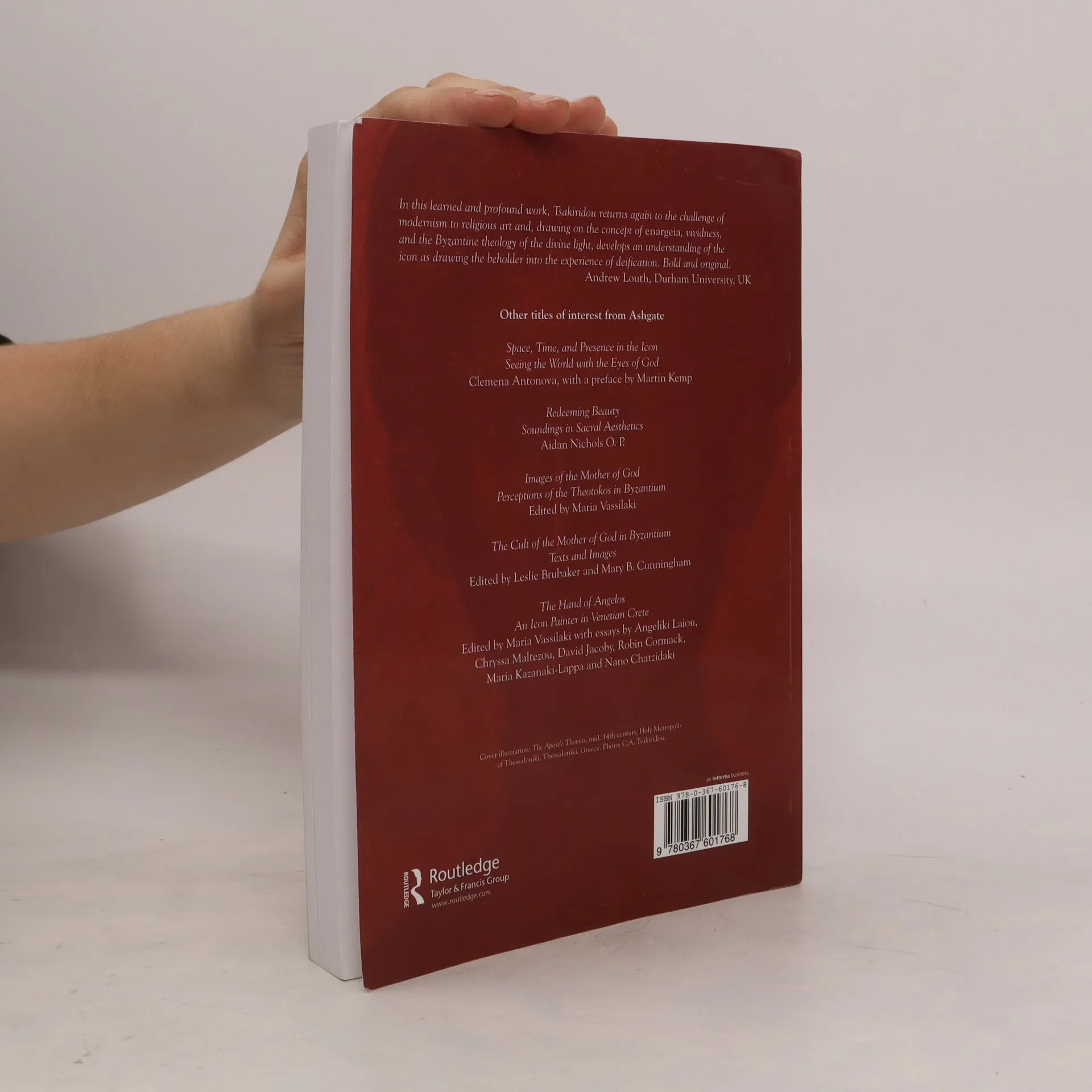
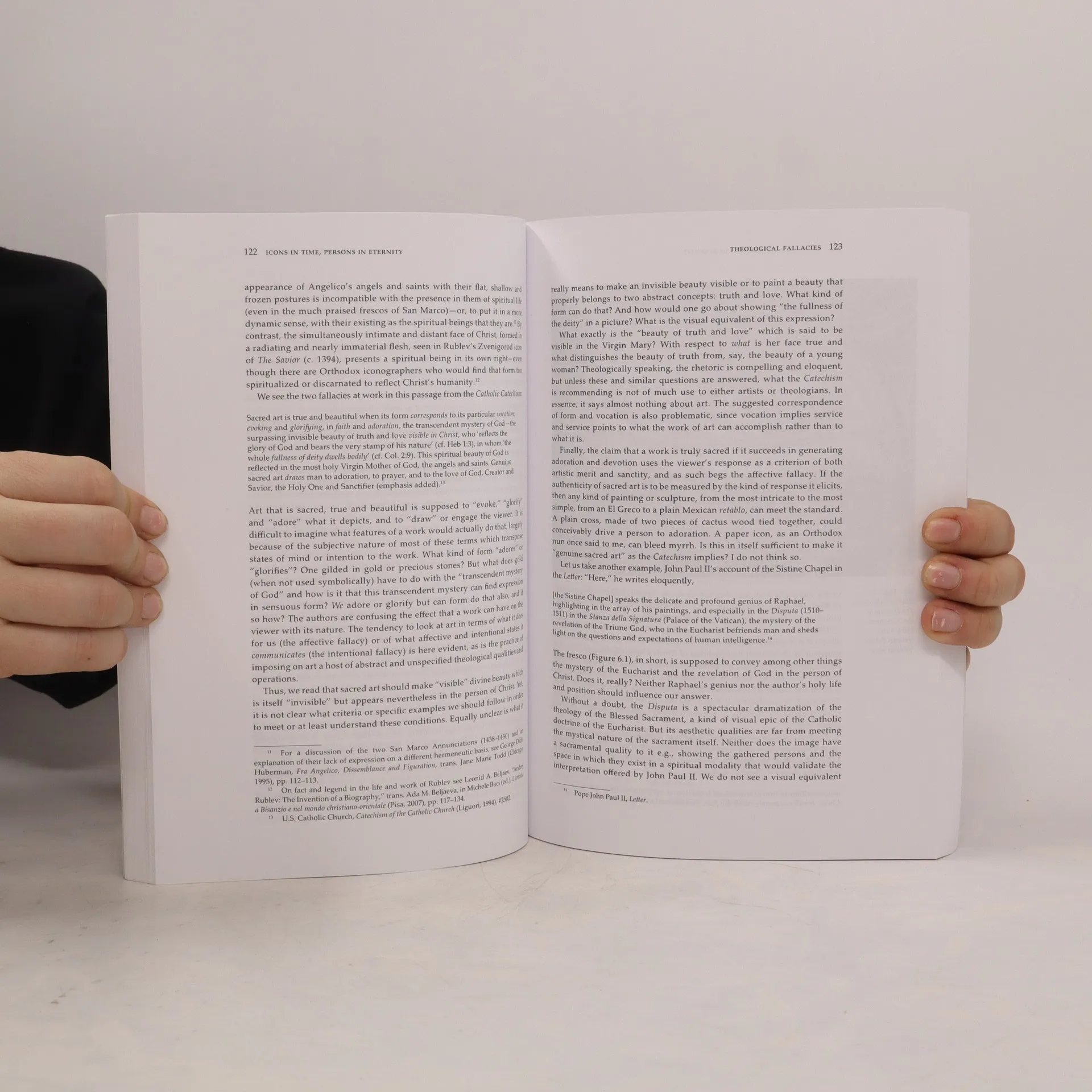
This work presents a critical, interdisciplinary examination of contemporary theological and philosophical studies of the Christian image, redefining it within the Orthodox tradition by exploring the ontological and aesthetic implications of ascetic and mystical theology. It highlights Modernist interest in the aesthetic peculiarity of icons, essential for re-evaluating their relationship to non-representational art. Drawing on classical Greek art criticism, Byzantine ekphraseis and hymnography, and the theologies of St. Maximus the Confessor, St. Symeon the New Theologian, and St. Gregory Palamas, the author posits that the ancient Greek concept of enargeia effectively expresses theophany and theosis in art. The qualities defining enargeia—liveliness, expressive autonomy, and self-subsisting form—are identified in exemplary Greek and Russian icons and considered within the context of hesychastic theology central to Orthodox Christianity. An Orthodox aesthetics is outlined, recognizing the transcendent nature of art and fostering dialogue with diverse pictorial and iconographic traditions. Additionally, an examination of Ch'an (Zen) art theory and comparisons between icons and works by artists like Wassily Kandinsky, Pablo Picasso, Mark Rothko, and Marc Chagall reveal intriguing convergences and differences, offering insights to reconcile Modernism with the Christian image and Orthodox tradition with artistic creativity.
Zakup książki
Icons in Time, Persons in Eternity, Cornelia A. Tsakiridou
- Język

- Rok wydania
- 2020
- Oprawa
- (miękka)
Metody płatności
Nikt jeszcze nie ocenił.
- Tytuł
- Icons in Time, Persons in Eternity
- Język
- angielski
- Autorzy
- Cornelia A. Tsakiridou
- Wydawca
- Routledge
- Rok wydania
- 2020
- Oprawa
- miękka
- Liczba stron
- 378
- ISBN10
- 0367601761
- ISBN13
- 9780367601768
- Seria
- Opis
- This work presents a critical, interdisciplinary examination of contemporary theological and philosophical studies of the Christian image, redefining it within the Orthodox tradition by exploring the ontological and aesthetic implications of ascetic and mystical theology. It highlights Modernist interest in the aesthetic peculiarity of icons, essential for re-evaluating their relationship to non-representational art. Drawing on classical Greek art criticism, Byzantine ekphraseis and hymnography, and the theologies of St. Maximus the Confessor, St. Symeon the New Theologian, and St. Gregory Palamas, the author posits that the ancient Greek concept of enargeia effectively expresses theophany and theosis in art. The qualities defining enargeia—liveliness, expressive autonomy, and self-subsisting form—are identified in exemplary Greek and Russian icons and considered within the context of hesychastic theology central to Orthodox Christianity. An Orthodox aesthetics is outlined, recognizing the transcendent nature of art and fostering dialogue with diverse pictorial and iconographic traditions. Additionally, an examination of Ch'an (Zen) art theory and comparisons between icons and works by artists like Wassily Kandinsky, Pablo Picasso, Mark Rothko, and Marc Chagall reveal intriguing convergences and differences, offering insights to reconcile Modernism with the Christian image and Orthodox tradition with artistic creativity.