

Więcej o książce
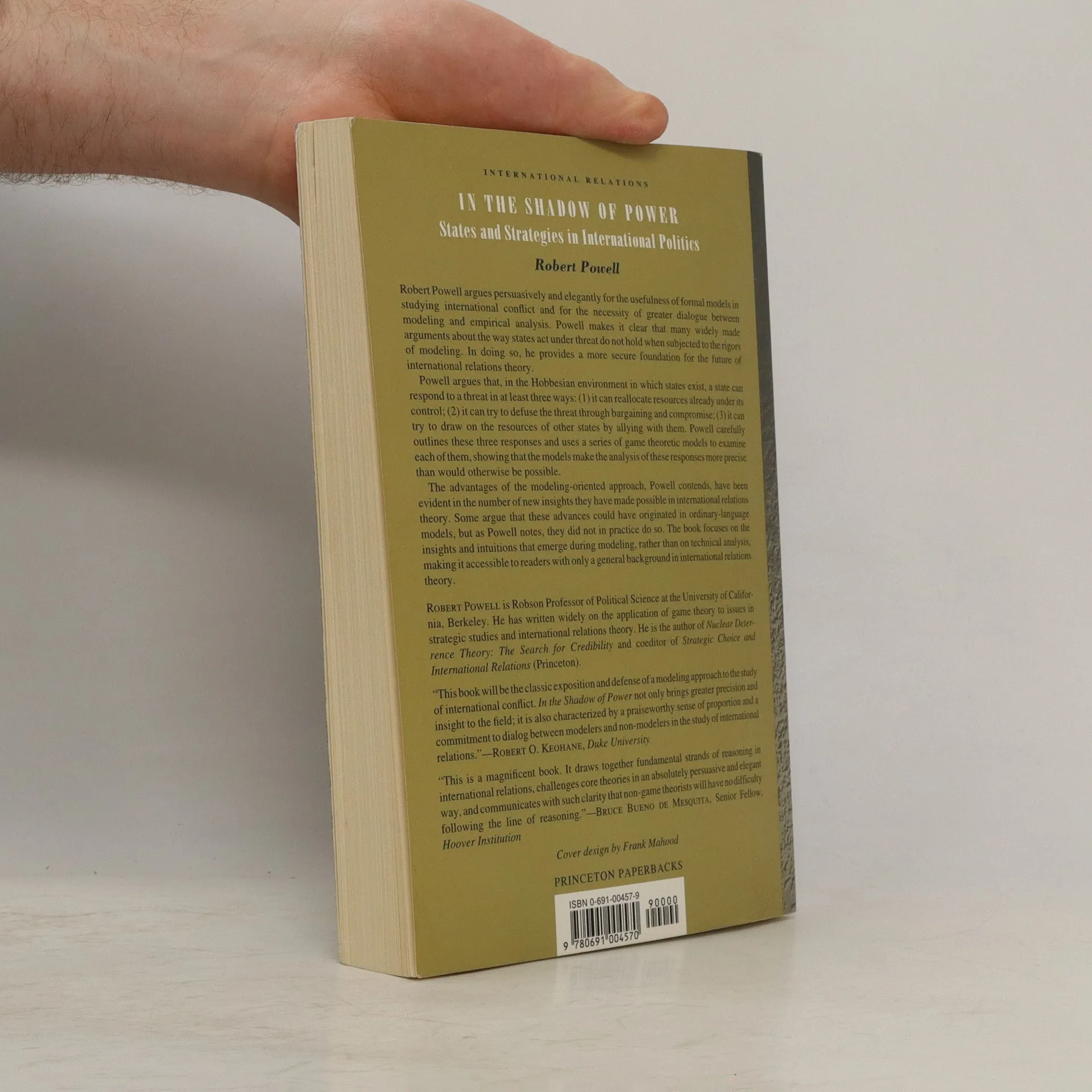
Robert Powell argues for the value of formal models in studying international conflict and emphasizes the need for dialogue between modeling and empirical analysis. He demonstrates that many commonly held beliefs about state behavior under threat fail when tested through modeling, thereby establishing a stronger foundation for international relations theory. In the Hobbesian context of state interactions, Powell identifies three potential responses to threats: reallocating existing resources, attempting to defuse the threat through negotiation, or seeking alliances to draw on external resources. He meticulously outlines these responses and employs game theoretic models to analyze them, revealing that such models enhance the precision of the analysis. Powell asserts that the benefits of a modeling-focused approach have led to significant new insights in international relations theory, challenging the notion that these insights could have emerged from ordinary-language models, which, he argues, did not yield similar advancements. The book prioritizes the insights gained from modeling over technical details, making it accessible to readers with a general understanding of international relations theory.
Zakup książki
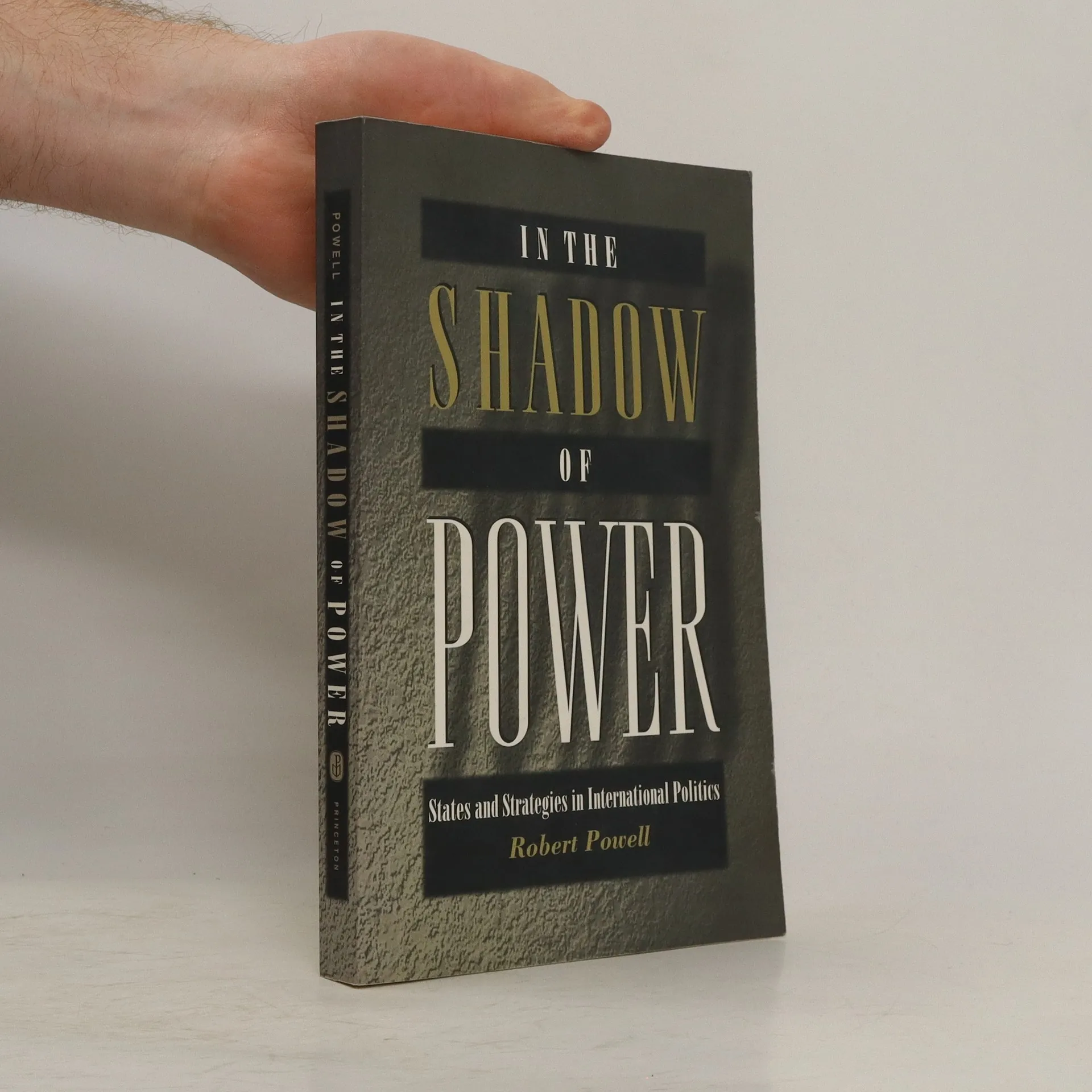
In the Shadow of Power, Robert A. Powell
- Język

- Rok wydania
- 1999
- Oprawa
- (miękka)
Metody płatności
Brakuje nam tutaj Twojej recenzji.
- Tytuł
- In the Shadow of Power
- Język
- angielski
- Autorzy
- Robert A. Powell
- Wydawca
- Princeton University Press
- Rok wydania
- 1999
- Oprawa
- miękka
- ISBN10
- 0691004579
- ISBN13
- 9780691004570
- Seria
- Ocena
- 3,8 z 5
- Opis
- Robert Powell argues for the value of formal models in studying international conflict and emphasizes the need for dialogue between modeling and empirical analysis. He demonstrates that many commonly held beliefs about state behavior under threat fail when tested through modeling, thereby establishing a stronger foundation for international relations theory. In the Hobbesian context of state interactions, Powell identifies three potential responses to threats: reallocating existing resources, attempting to defuse the threat through negotiation, or seeking alliances to draw on external resources. He meticulously outlines these responses and employs game theoretic models to analyze them, revealing that such models enhance the precision of the analysis. Powell asserts that the benefits of a modeling-focused approach have led to significant new insights in international relations theory, challenging the notion that these insights could have emerged from ordinary-language models, which, he argues, did not yield similar advancements. The book prioritizes the insights gained from modeling over technical details, making it accessible to readers with a general understanding of international relations theory.