

Parametry
Więcej o książce
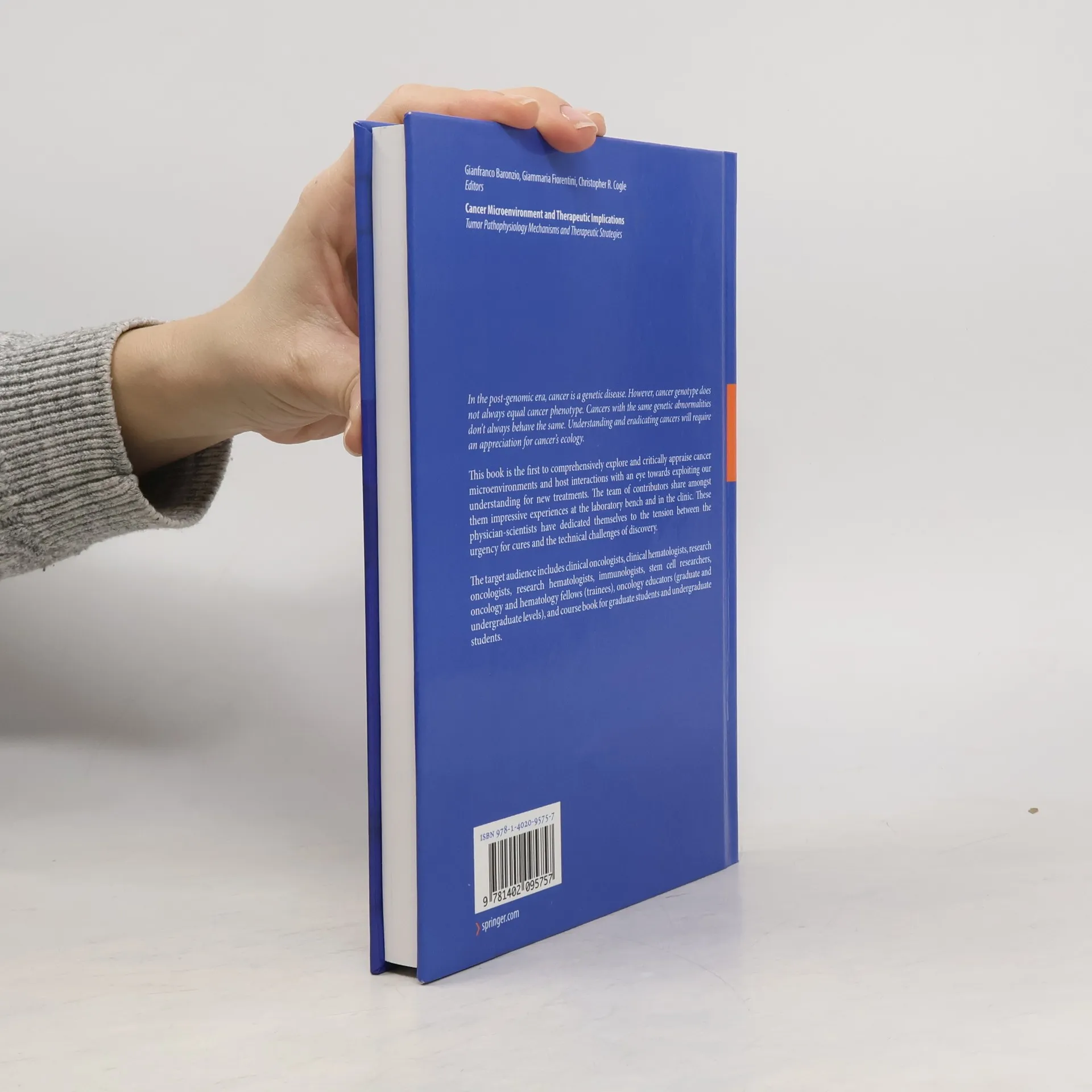
In the post-genomic era, cancer is a genetic disease. However, cancer genotype does not always equal cancer phenotype. Cancers with the same genetic abnormalities don’t always behave the same. Understanding and eradicating cancers will require an appreciation for cancer’s ecology. This book is the first to comprehensively explore and critically appraise cancer microenvironments and host interactions with an eye towards exploiting our understanding for new treatments. The team of contributors share amongst them impressive experiences at the laboratory bench and in the clinic. These physician-scientists have dedicated themselves to the tension between the urgency for cures and the technical challenges of discovery. The target audience includes clinical oncologists, clinical hematologists, research oncologists, research hematologists, immunologists, stem cell researchers, oncology and hematology fellows (trainees), oncology educators (graduate and undergraduate levels), and course book for graduate students and undergraduate students.
Zakup książki
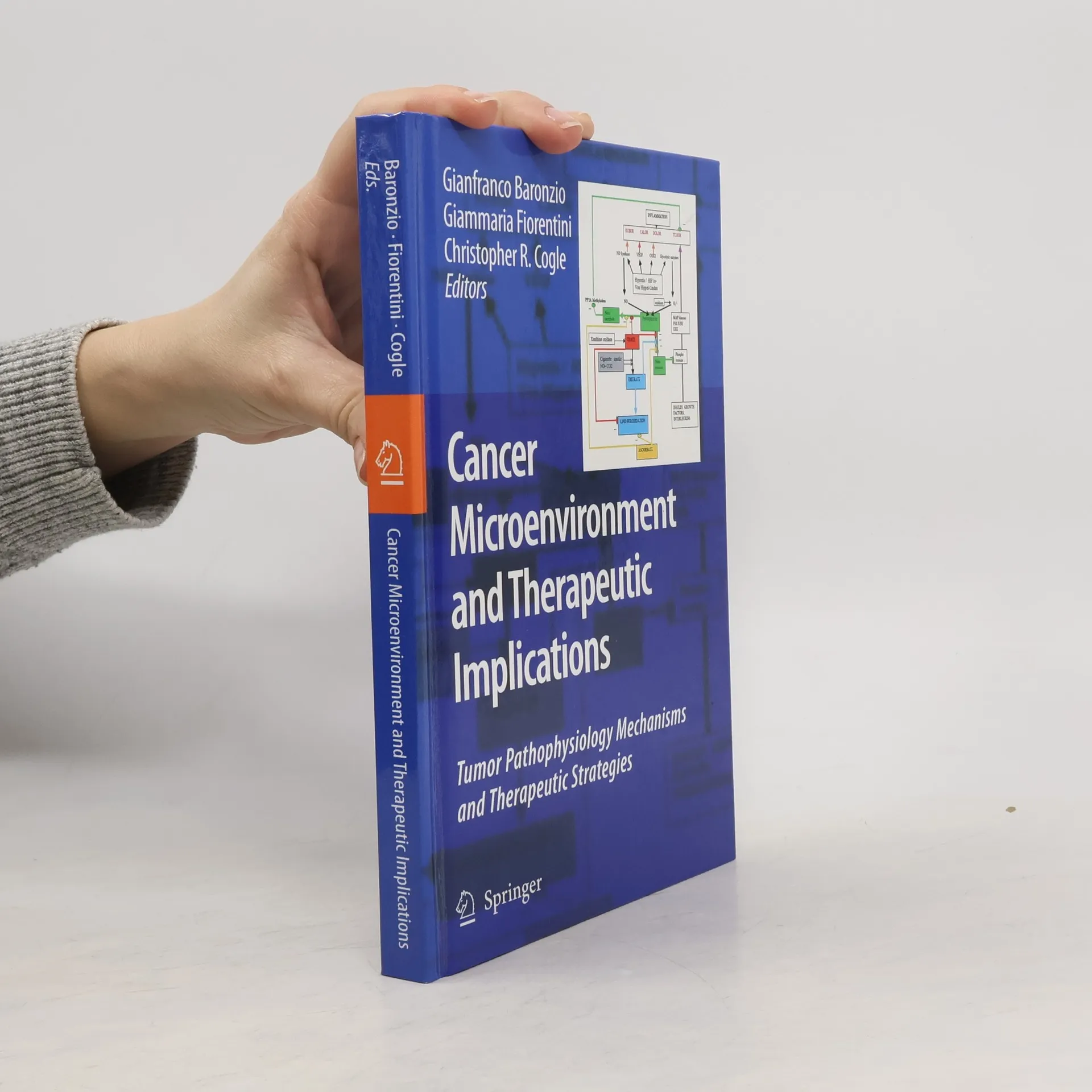
Cancer Microenvironment and Therapeutic Implications, Gianfranco Baronzio, Giammaria Fiorentini, Christopher R. Cogle
- Język

- Rok wydania
- 2009
- Oprawa
- (twarda)
Metody płatności
Nikt jeszcze nie ocenił.
- Tytuł
- Cancer Microenvironment and Therapeutic Implications
- Język
- angielski
- Wydawca
- Springer
- Rok wydania
- 2009
- Oprawa
- twarda
- ISBN10
- 1402095759
- ISBN13
- 9781402095757
- Seria
- Kategorie
- Opis
- In the post-genomic era, cancer is a genetic disease. However, cancer genotype does not always equal cancer phenotype. Cancers with the same genetic abnormalities don’t always behave the same. Understanding and eradicating cancers will require an appreciation for cancer’s ecology. This book is the first to comprehensively explore and critically appraise cancer microenvironments and host interactions with an eye towards exploiting our understanding for new treatments. The team of contributors share amongst them impressive experiences at the laboratory bench and in the clinic. These physician-scientists have dedicated themselves to the tension between the urgency for cures and the technical challenges of discovery. The target audience includes clinical oncologists, clinical hematologists, research oncologists, research hematologists, immunologists, stem cell researchers, oncology and hematology fellows (trainees), oncology educators (graduate and undergraduate levels), and course book for graduate students and undergraduate students.