



Więcej o książce
Who are scientists, and what qualities define them? They are highly respected experts tasked with interpreting the natural world and transforming knowledge into power and profit. However, are they morally different from others? The narrative explores our perceptions of scientists and the significance of these views. Conventional wisdom suggests that scientists are neither better nor worse than anyone else, and that personal virtue does not necessarily accompany technical expertise. Yet, the author argues that the uncertainties inherent in scientific research make individual virtues essential to scientific work. Tracing the evolution from early twentieth-century corporate research laboratories to today's scientific entrepreneurship, the text illustrates how contemporary science's radical uncertainties have heightened the importance of personal virtues. It also uncovers how modern science's novel aspects have deep historical roots. This elegantly crafted history of the scientific career and character prompts a reevaluation of the technical and moral landscapes we inhabit. Drawing on insights from previous influential works and featuring a captivating array of characters, the narrative offers bold claims that are essential for anyone interested in understanding late modern American culture and its formation.
Zakup książki
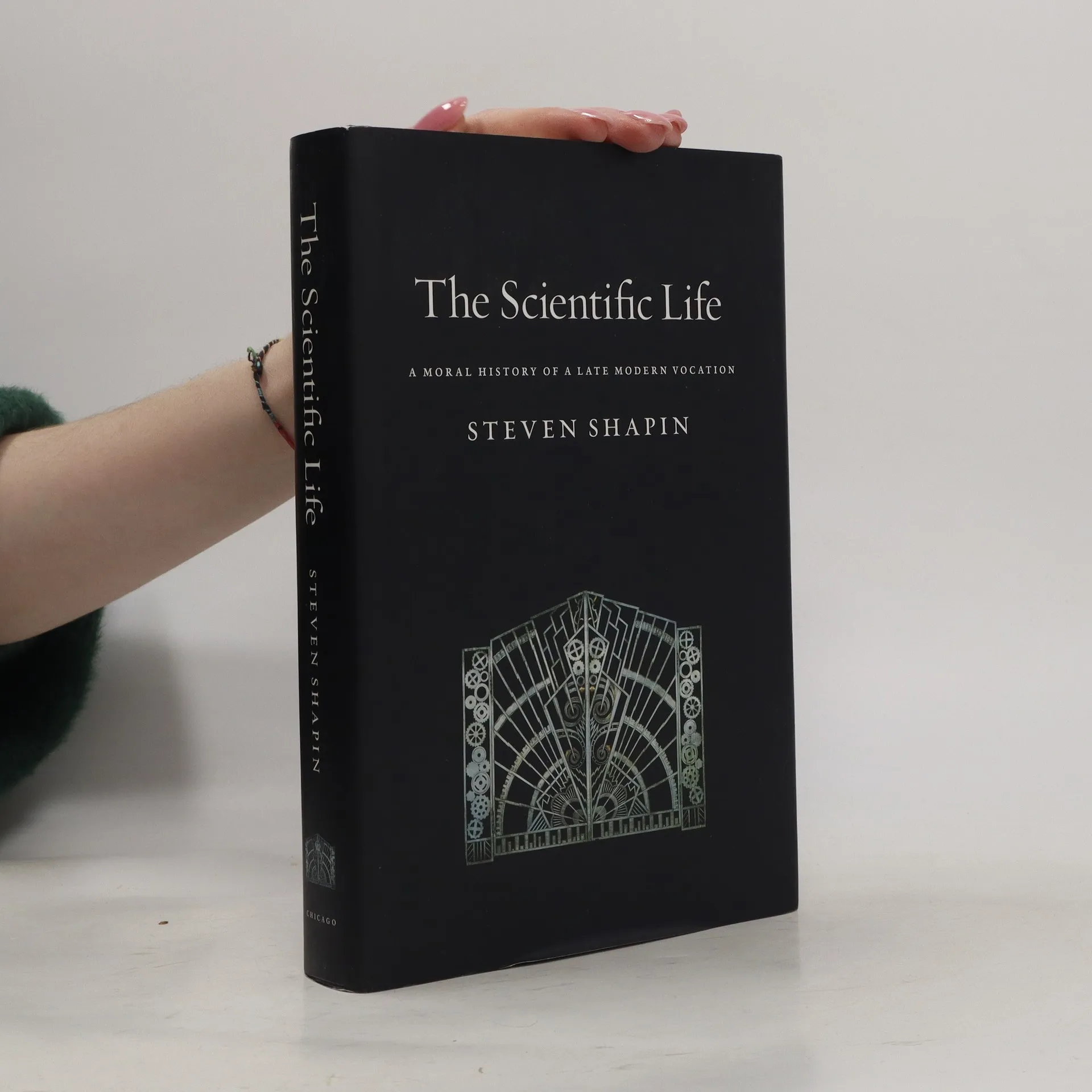
The Scientific Life, Steven Shapin
- Język

- Rok wydania
- 2008
- Oprawa
- (twarda)
Metody płatności
Brakuje nam tutaj Twojej recenzji.
- Tytuł
- The Scientific Life
- Język
- angielski
- Autorzy
- Steven Shapin
- Rok wydania
- 2008
- Oprawa
- twarda
- Liczba stron
- 468
- ISBN10
- 0226750248
- ISBN13
- 9780226750248
- Seria
- Kategorie
- Ocena
- 3,5 z 5
- Opis
- Who are scientists, and what qualities define them? They are highly respected experts tasked with interpreting the natural world and transforming knowledge into power and profit. However, are they morally different from others? The narrative explores our perceptions of scientists and the significance of these views. Conventional wisdom suggests that scientists are neither better nor worse than anyone else, and that personal virtue does not necessarily accompany technical expertise. Yet, the author argues that the uncertainties inherent in scientific research make individual virtues essential to scientific work. Tracing the evolution from early twentieth-century corporate research laboratories to today's scientific entrepreneurship, the text illustrates how contemporary science's radical uncertainties have heightened the importance of personal virtues. It also uncovers how modern science's novel aspects have deep historical roots. This elegantly crafted history of the scientific career and character prompts a reevaluation of the technical and moral landscapes we inhabit. Drawing on insights from previous influential works and featuring a captivating array of characters, the narrative offers bold claims that are essential for anyone interested in understanding late modern American culture and its formation.