

Więcej o książce
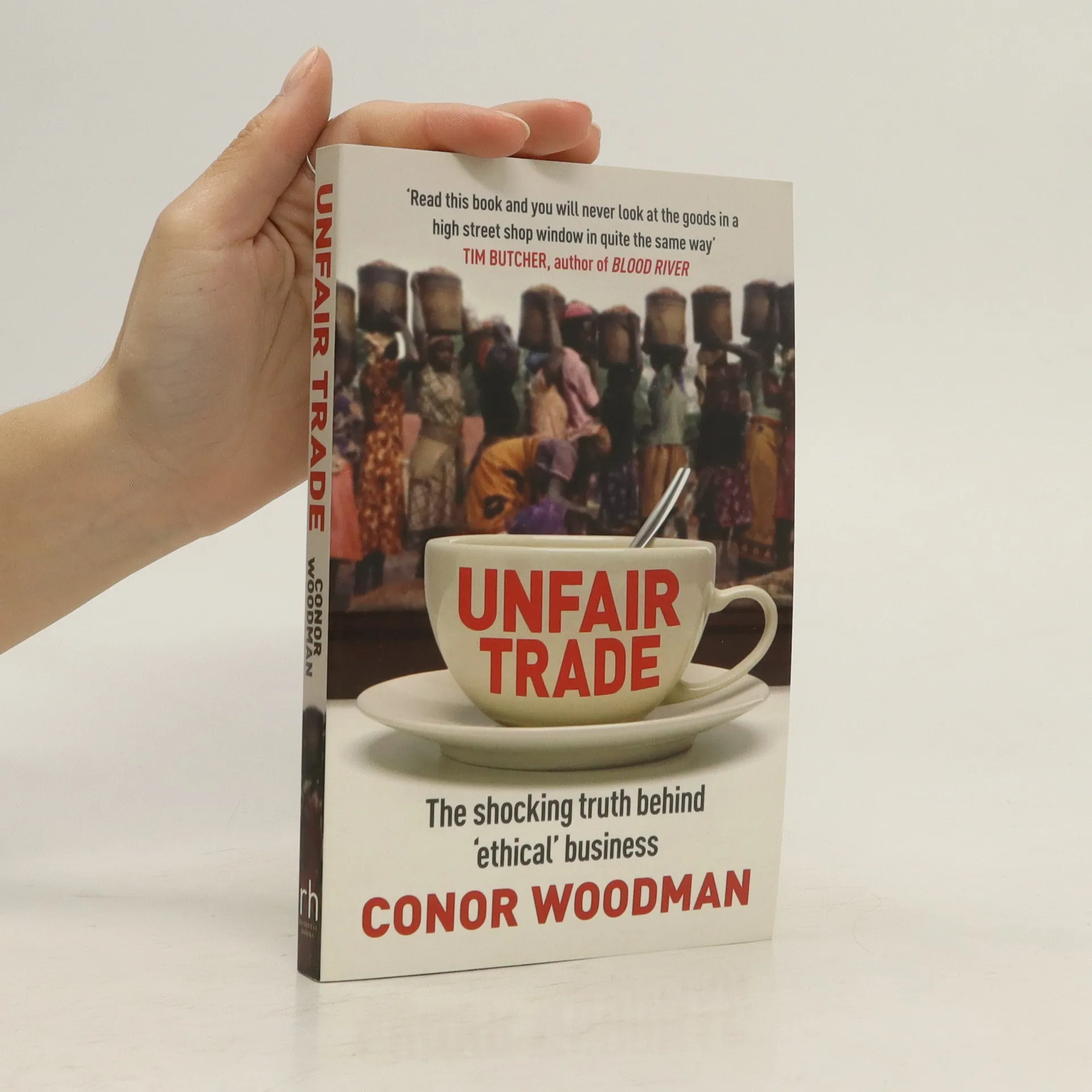
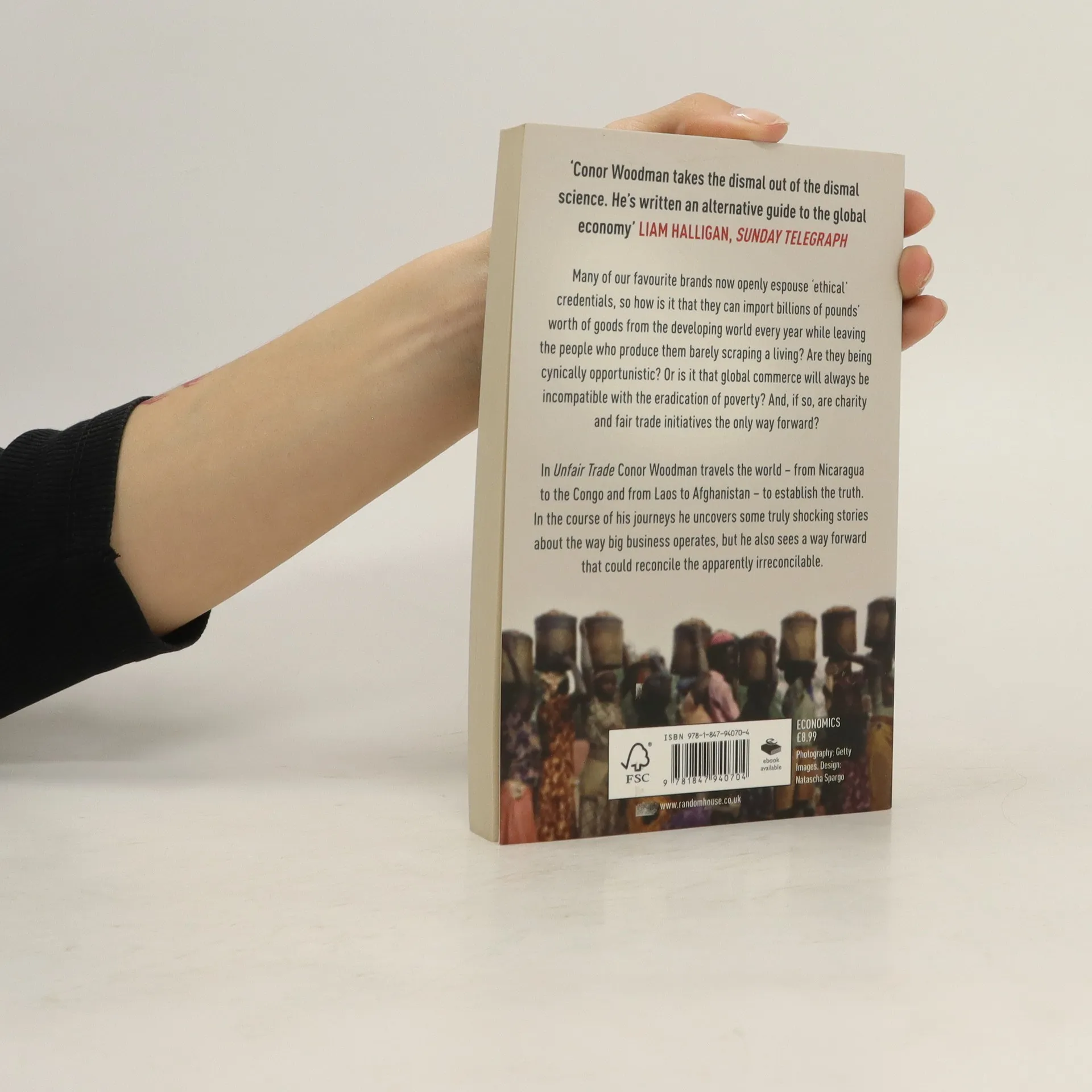
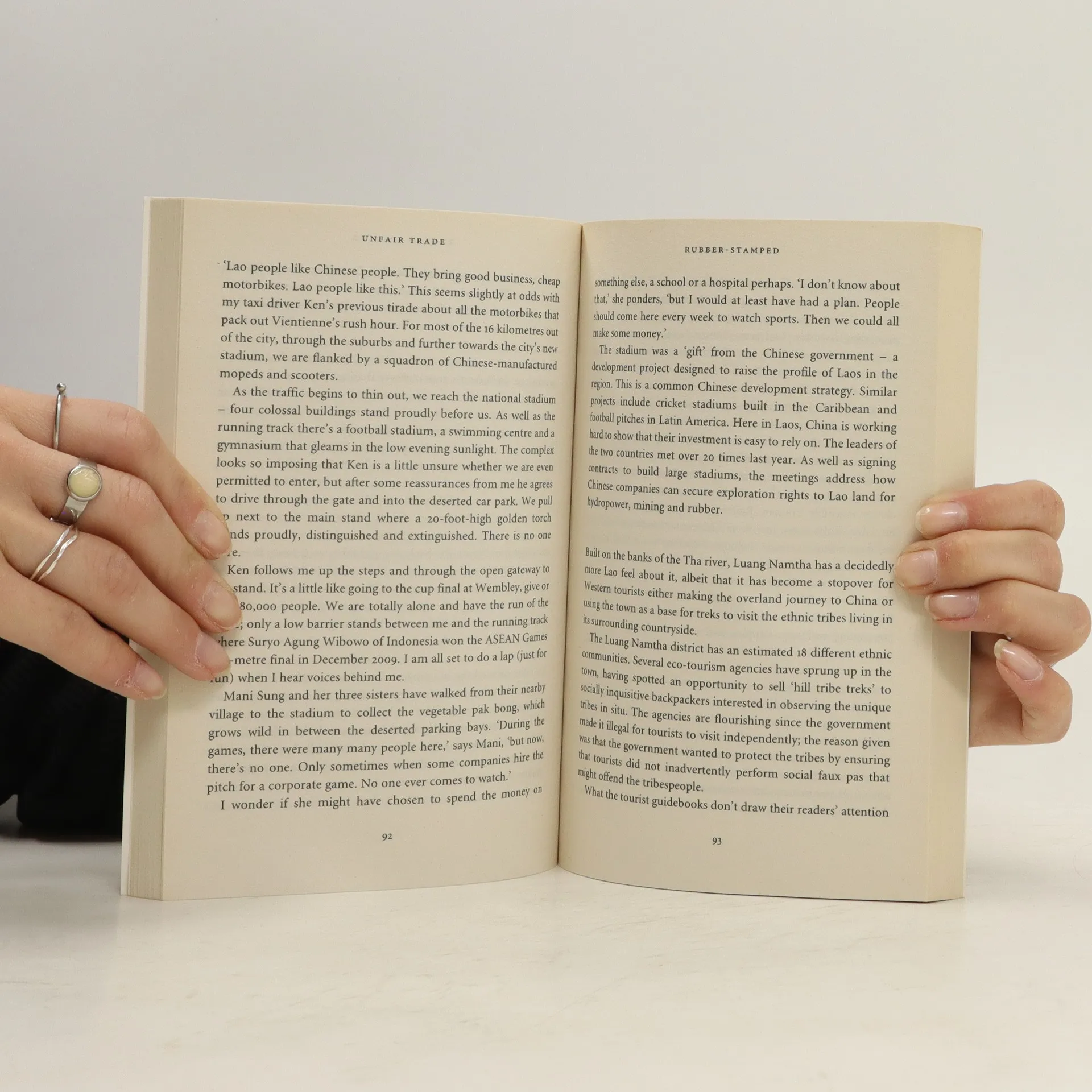
Why the world's poor continue to lose out in the global market -- and what can be done about it. How is it that our favourite brands can import billions of pounds' worth of goods from the developing world every year, and yet leave the people who produce them barely scraping a living? Is it that big business is incompatible with the eradication of poverty? And, if so, are charity and fair trade initiatives the only way forward? In Unfair Trade Conor Woodman traces a range of products back to their source to uncover who precisely is benefitting and who is losing out. He goes diving with lobster fishermen in Nicaragua who are dying in their hundreds to keep the restaurant tables of the US well stocked. He ventures into war-torn Congo to find out what the developed world's insatiable demand for tin means for local miners. And he risks falling foul of the authorities in Laos as he covertly visits the country's burgeoning rubber plantations, established to supply Chinese factories that in turn supply the West with consumer goods. In the process, he tests accepted economic wisdom on the best way to create a fairer world -- and suggests a simpler but potentially far more radical solution.
Zakup książki
Unfair trade : the shocking truth behind 'ethical' business, Conor Woodman
- Język

- Rok wydania
- 2012
- Oprawa
- (miękka)
Metody płatności
Brakuje nam tutaj Twojej recenzji.
- Tytuł
- Unfair trade : the shocking truth behind 'ethical' business
- Język
- angielski
- Autorzy
- Conor Woodman
- Wydawca
- Business Books
- Rok wydania
- 2012
- Oprawa
- miękka
- Liczba stron
- 240
- ISBN10
- 1847940706
- ISBN13
- 9781847940704
- Seria
- Kategorie
- Ocena
- 3,9 z 5
- Opis
- Why the world's poor continue to lose out in the global market -- and what can be done about it. How is it that our favourite brands can import billions of pounds' worth of goods from the developing world every year, and yet leave the people who produce them barely scraping a living? Is it that big business is incompatible with the eradication of poverty? And, if so, are charity and fair trade initiatives the only way forward? In Unfair Trade Conor Woodman traces a range of products back to their source to uncover who precisely is benefitting and who is losing out. He goes diving with lobster fishermen in Nicaragua who are dying in their hundreds to keep the restaurant tables of the US well stocked. He ventures into war-torn Congo to find out what the developed world's insatiable demand for tin means for local miners. And he risks falling foul of the authorities in Laos as he covertly visits the country's burgeoning rubber plantations, established to supply Chinese factories that in turn supply the West with consumer goods. In the process, he tests accepted economic wisdom on the best way to create a fairer world -- and suggests a simpler but potentially far more radical solution.