

Parametry
- 282 strony
- 10 godzin czytania
Więcej o książce
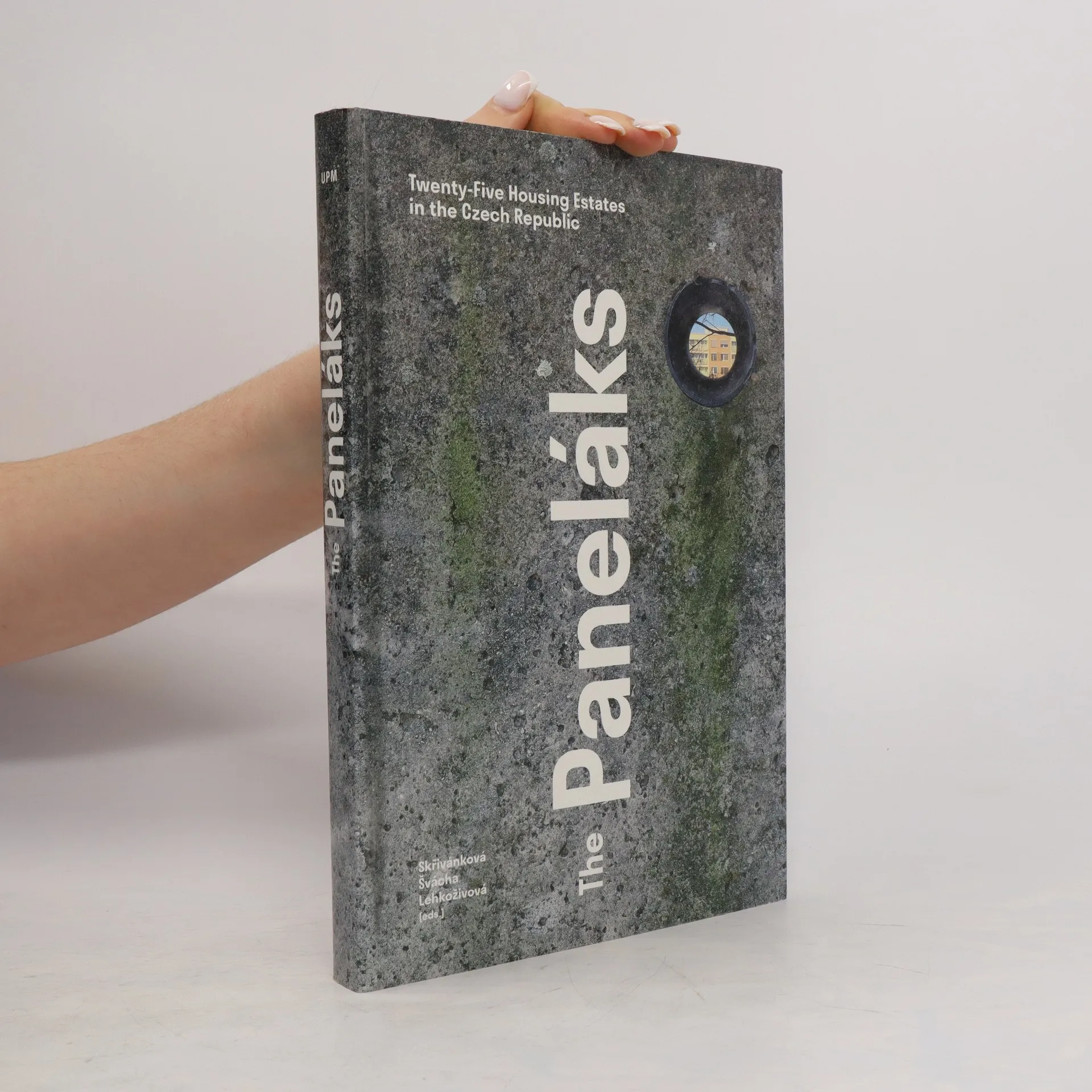
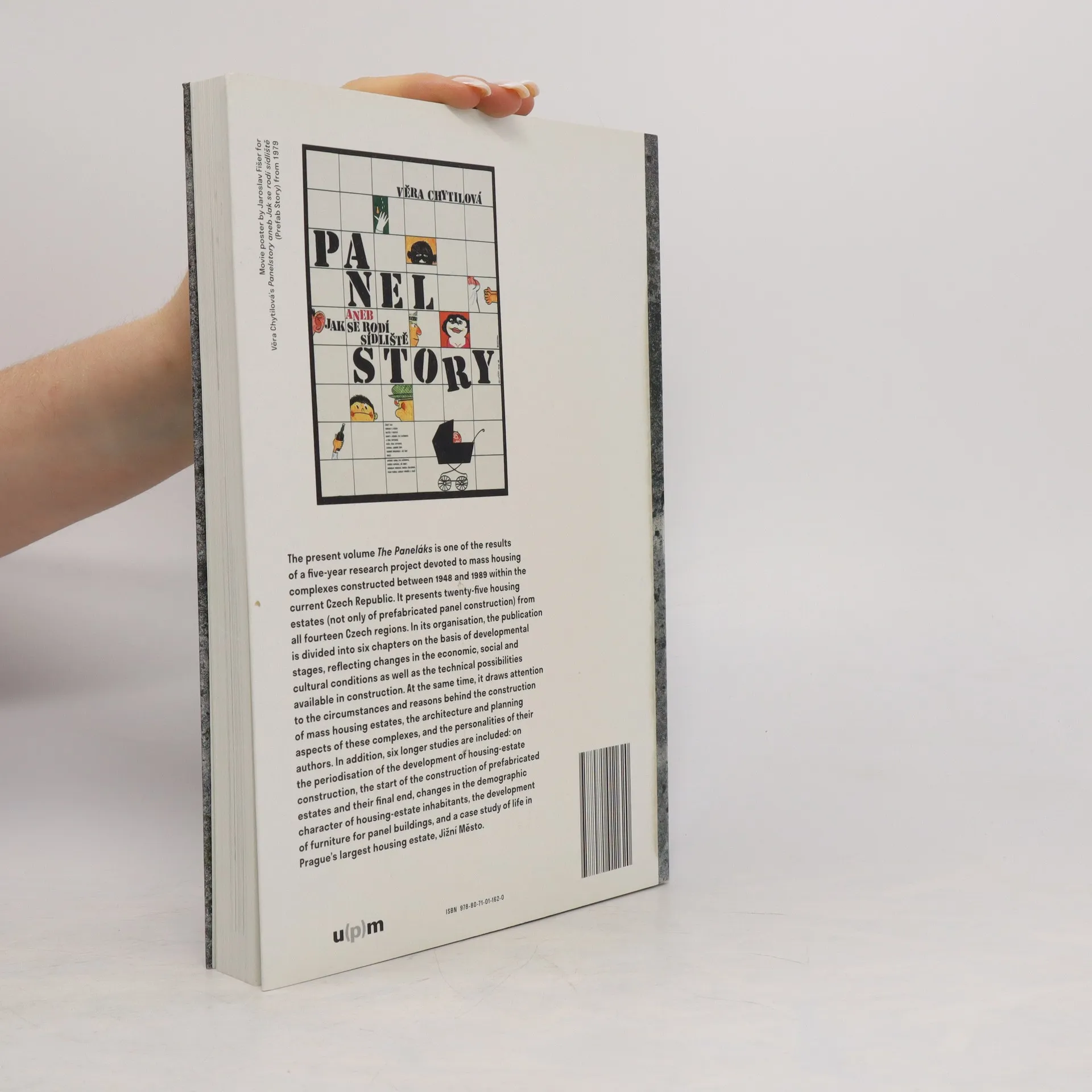
The present volume The Paneláks is one of the results of a five-year research project devoted to mass housing complexes constructed between 1948 a 1989 within the current Czech Republic. It presents twenty-five housing estates (not only of prefabricated panel construction) from all fourteen Czech regions. In its organization, the publication is divided into six chapters on the basis of developmental stages, reflecting changes in the economic, social and cultural conditions as well as the technical possibilities available in construction. At the same time, it draws attention to the circumstances and reasons behind the construction of mass housing estates, the architecture and planning aspects of these complexes, and the personalities of their authors. In addition, six longer studies are included: on the periodization of the development of housing-estate construction, the start of the construction of prefabricated estates and their final end, changes in the demographic character of housing-estate inhabitants, the development of furniture for panel buildings, and a case study of life in Prague's largest housing estate, Jižní Město
Zakup książki
The Paneláks. Twenty-Fiwe Housing Estates in the Czech Republic, Rostislav Švácha, Irena Lehkoživová, Lucie Skřivánková
- Język

- Rok wydania
- 2017
- Oprawa
- (miękka)
Metody płatności
Nikt jeszcze nie ocenił.
- Tytuł
- The Paneláks. Twenty-Fiwe Housing Estates in the Czech Republic
- Język
- angielski
- Wydawca
- UPM
- Rok wydania
- 2017
- Oprawa
- miękka
- Liczba stron
- 282
- ISBN10
- 8071011622
- ISBN13
- 9788071011620
- Seria
- Opis
- The present volume The Paneláks is one of the results of a five-year research project devoted to mass housing complexes constructed between 1948 a 1989 within the current Czech Republic. It presents twenty-five housing estates (not only of prefabricated panel construction) from all fourteen Czech regions. In its organization, the publication is divided into six chapters on the basis of developmental stages, reflecting changes in the economic, social and cultural conditions as well as the technical possibilities available in construction. At the same time, it draws attention to the circumstances and reasons behind the construction of mass housing estates, the architecture and planning aspects of these complexes, and the personalities of their authors. In addition, six longer studies are included: on the periodization of the development of housing-estate construction, the start of the construction of prefabricated estates and their final end, changes in the demographic character of housing-estate inhabitants, the development of furniture for panel buildings, and a case study of life in Prague's largest housing estate, Jižní Město