

Więcej o książce
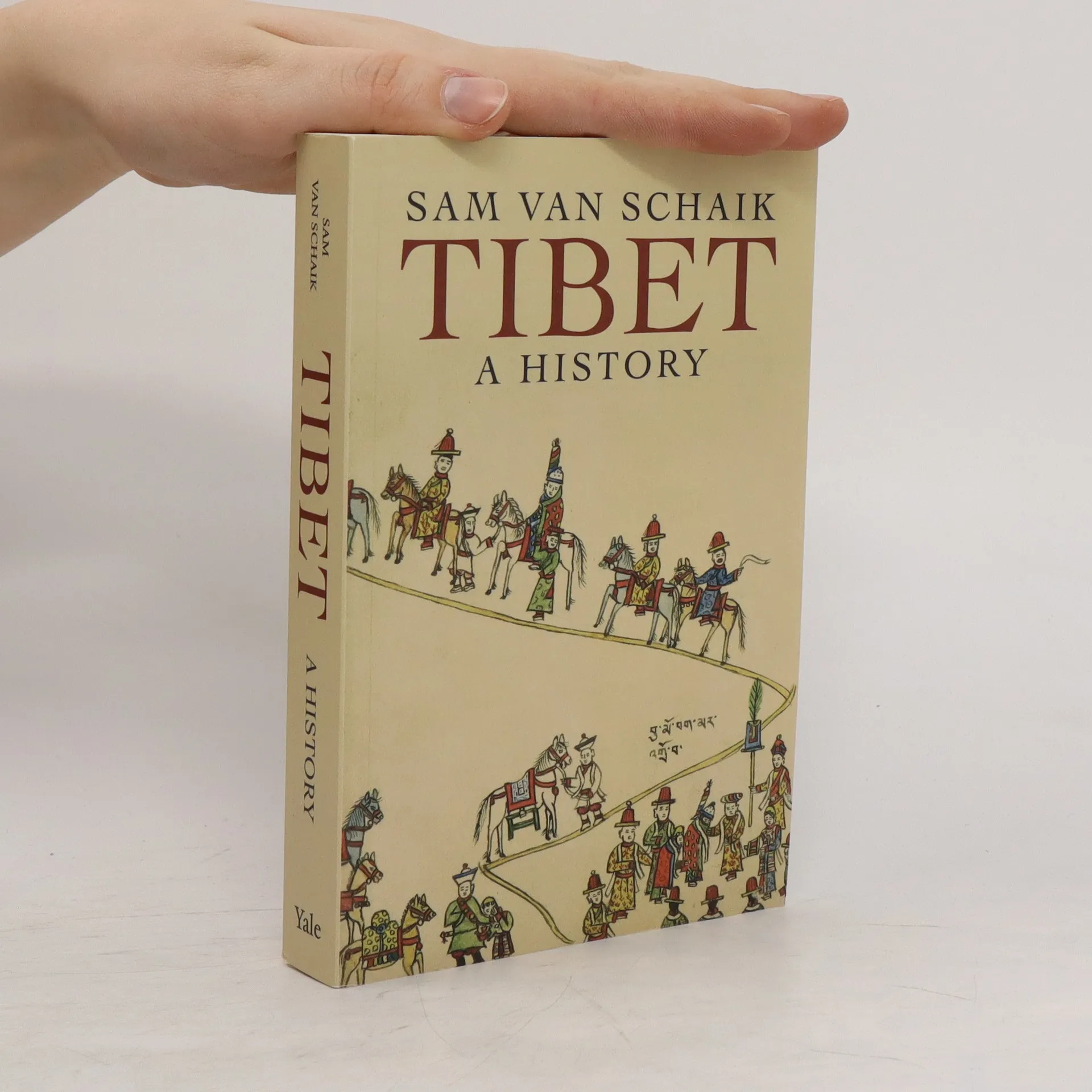
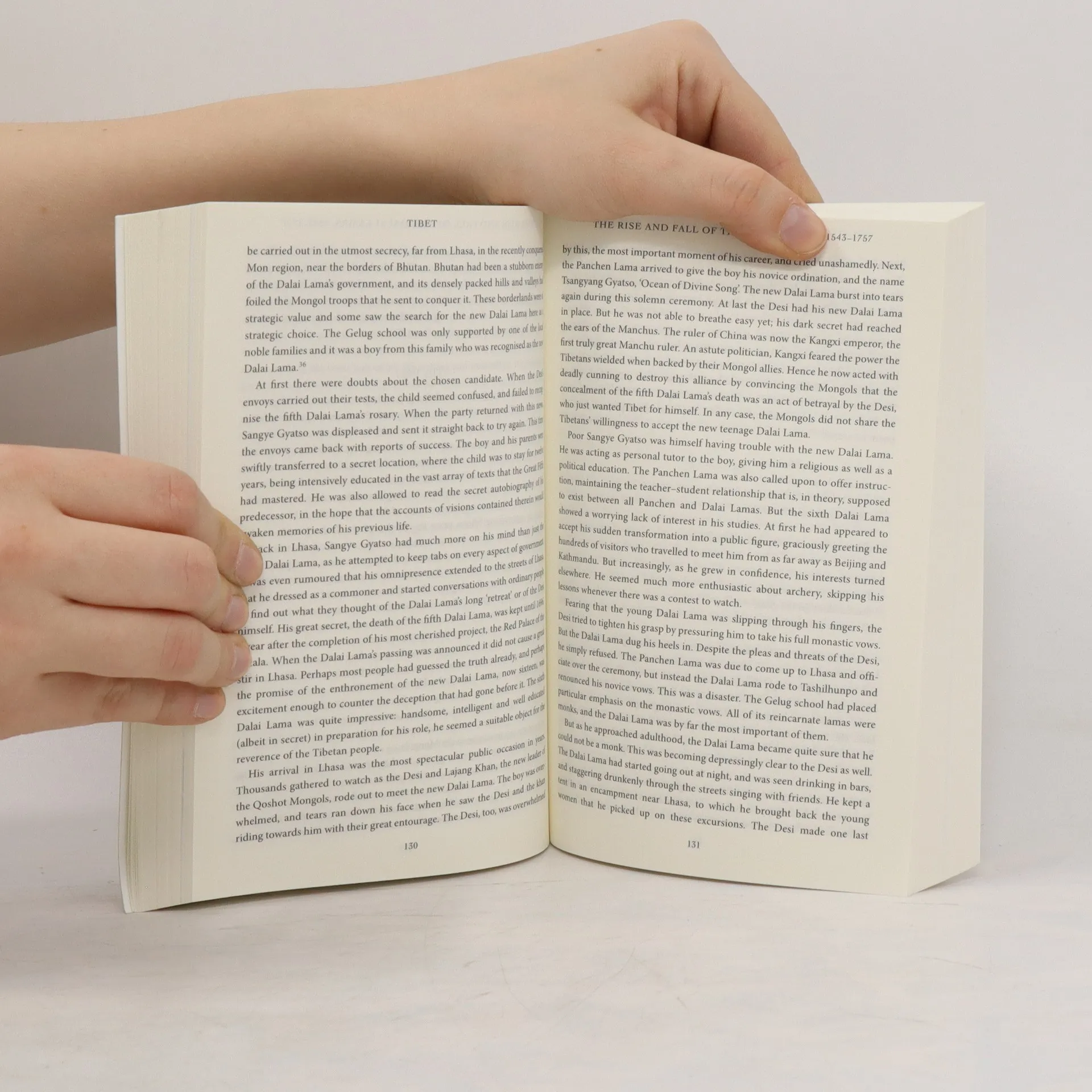
ASIAN / MIDDLE EASTERN HISTORY. Situated north of the Himalayas, Tibet is famous for its unique culture and its controversial assimilation into modern China. Yet Tibet in the twenty-first century can only be properly understood in the context of its extraordinary history. Sam van Schaik brings the history of Tibet to life by telling the stories of the people involved, from the glory days of the Tibetan empire in the seventh century through to the present day. He explores the emergence of Tibetan Buddhism and the rise of the Dalai Lamas, Tibet's entanglement in the "Great Game" in the early twentieth century, its submission to Chinese Communist rule in the 1950s, and the troubled times of recent decades. "Tibet" sheds light on the country's complex relationship with China and explains often-misunderstood aspects of its culture, such as reborn lamas, monasteries and hermits, "The Tibetan Book of the Dead", and the role of the Dalai Lama.
Zakup książki
Tibet, Sam Van Schaik
- Język

- Rok wydania
- 2011
- Oprawa
- (miękka)
Metody płatności
Brakuje nam tutaj Twojej recenzji.
- Tytuł
- Tibet
- Język
- angielski
- Autorzy
- Sam Van Schaik
- Wydawca
- Yale University Press
- Rok wydania
- 2011
- Oprawa
- miękka
- Liczba stron
- 352
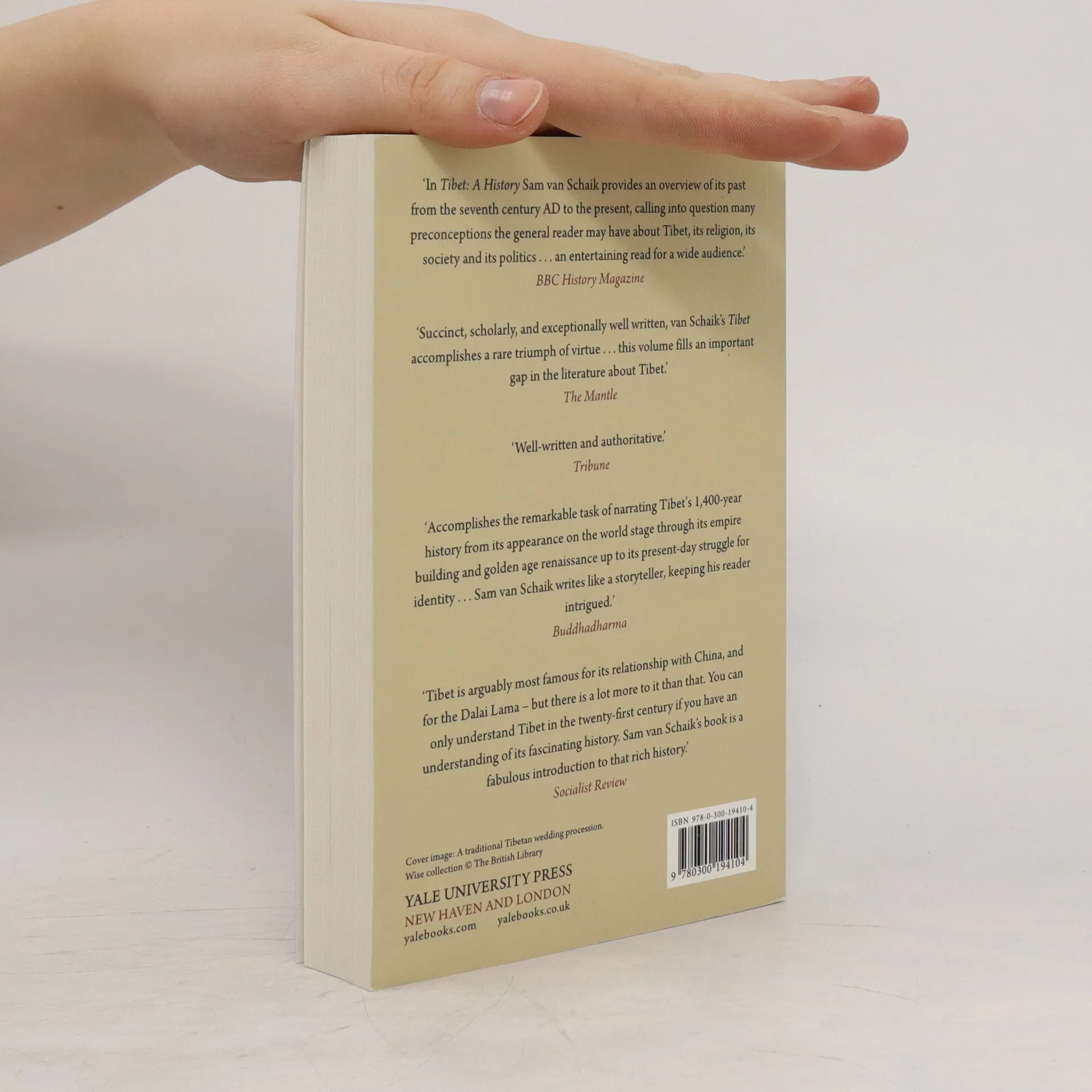
- ISBN10
- 0300194102
- ISBN13
- 9780300194104
- Seria
- Ocena
- 4,1 z 5
- Opis
- ASIAN / MIDDLE EASTERN HISTORY. Situated north of the Himalayas, Tibet is famous for its unique culture and its controversial assimilation into modern China. Yet Tibet in the twenty-first century can only be properly understood in the context of its extraordinary history. Sam van Schaik brings the history of Tibet to life by telling the stories of the people involved, from the glory days of the Tibetan empire in the seventh century through to the present day. He explores the emergence of Tibetan Buddhism and the rise of the Dalai Lamas, Tibet's entanglement in the "Great Game" in the early twentieth century, its submission to Chinese Communist rule in the 1950s, and the troubled times of recent decades. "Tibet" sheds light on the country's complex relationship with China and explains often-misunderstood aspects of its culture, such as reborn lamas, monasteries and hermits, "The Tibetan Book of the Dead", and the role of the Dalai Lama.