

Więcej o książce
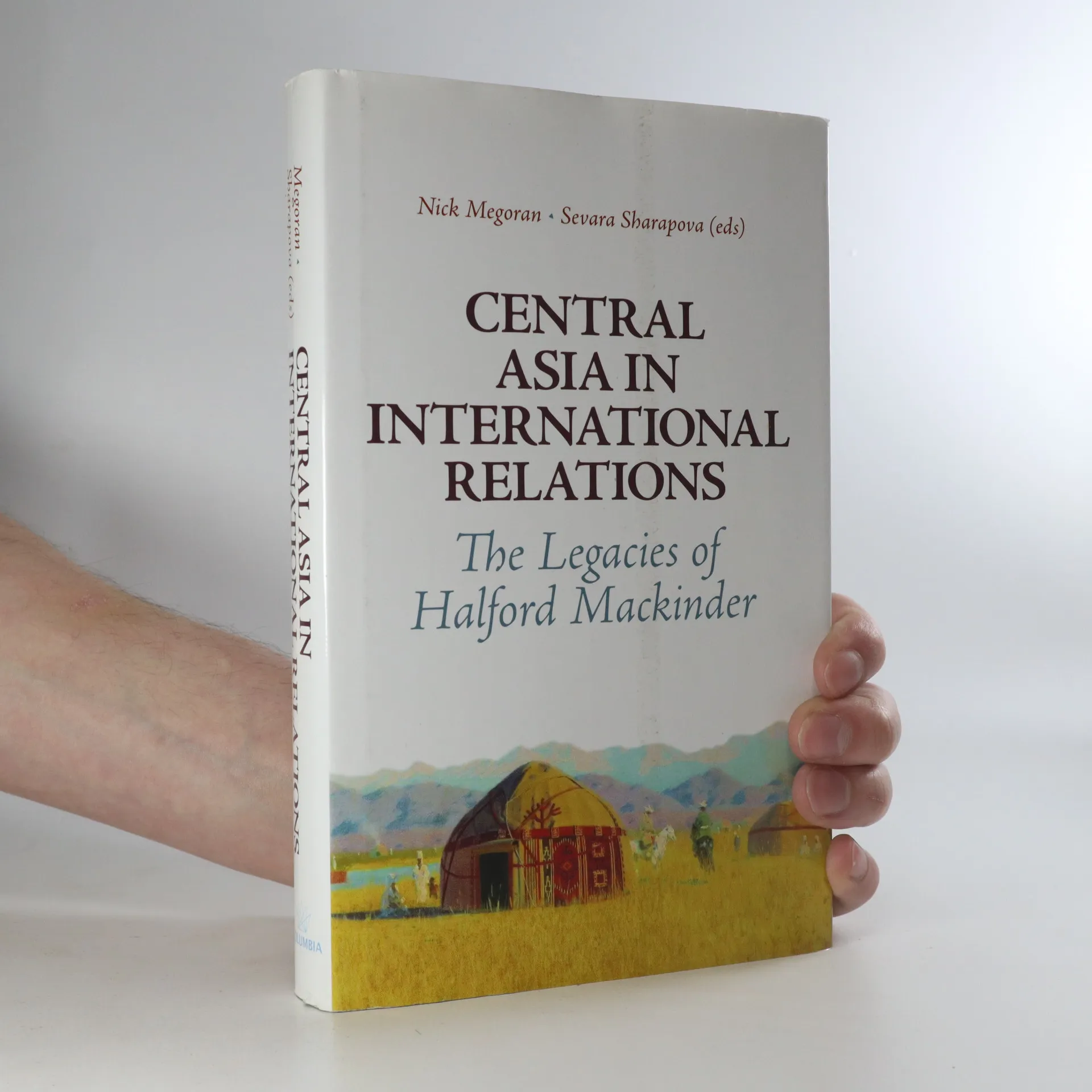
After the collapse of the Soviet Union liberated the republics of Central Asia, many believed that, with their rich geographies and histories, these nations would pursue a logical set of social, political, and economic goals. Yet the foreign policy choices of these countries has been confusing, if not wholly problematic, leading international scholars to turn to the thought of Sir Halford Mackinder (1861-1947), a British geographer widely regarded as the father of geopolitics. This volume unites historical geographers and political scientists in an exploration of the remarkable renaissance of Mackinder's theories. It charts the intellectual's own engagement with the region, in both his writings and his visits as a British envoy in the aftermath of World War I. The book outlines and evaluates the use of Mackinder's ideas by Central Asian, Russian, and American scholars and their insight into the region's international relations. It traces the path his ideas took as they have made their way across Europe and Central Asia, analyzing the dynamics of their reworking as scholars encountered them "in transit." The volume therefore makes an important contribution not only to the theorization of the international relations of Central Asia but also to an understanding of ideas' historical geography as they move and change across place and time.
Zakup książki
Central Asia in International Relations, Sevara Shamsiddinovna Sharapova
- Język

- Rok wydania
- 2013
- Oprawa
- (twarda)
Metody płatności
Nikt jeszcze nie ocenił.
- Tytuł
- Central Asia in International Relations
- Język
- angielski
- Rok wydania
- 2013
- Oprawa
- twarda
- Liczba stron
- 356
- ISBN10
- 0231704364
- ISBN13
- 9780231704366
- Seria
- Tagi
- Opis
- After the collapse of the Soviet Union liberated the republics of Central Asia, many believed that, with their rich geographies and histories, these nations would pursue a logical set of social, political, and economic goals. Yet the foreign policy choices of these countries has been confusing, if not wholly problematic, leading international scholars to turn to the thought of Sir Halford Mackinder (1861-1947), a British geographer widely regarded as the father of geopolitics. This volume unites historical geographers and political scientists in an exploration of the remarkable renaissance of Mackinder's theories. It charts the intellectual's own engagement with the region, in both his writings and his visits as a British envoy in the aftermath of World War I. The book outlines and evaluates the use of Mackinder's ideas by Central Asian, Russian, and American scholars and their insight into the region's international relations. It traces the path his ideas took as they have made their way across Europe and Central Asia, analyzing the dynamics of their reworking as scholars encountered them "in transit." The volume therefore makes an important contribution not only to the theorization of the international relations of Central Asia but also to an understanding of ideas' historical geography as they move and change across place and time.