



Więcej o książce
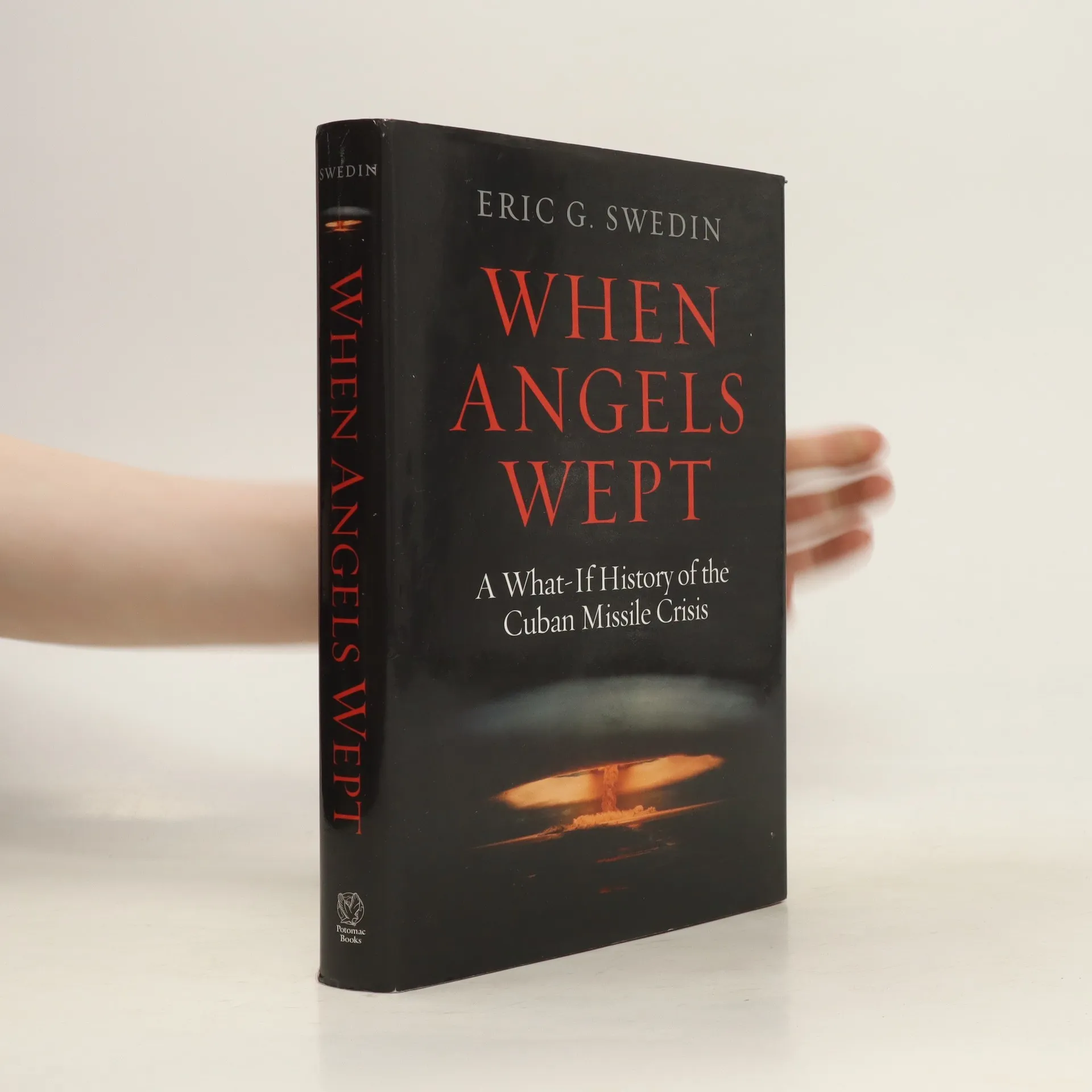
In 1961, CIA-trained Cuban exiles attempted to overthrow Fidel Castro at the Bay of Pigs but faced a crushing defeat, leading to many being captured. In response to fears of a U.S. invasion, the Soviet Union secretly deployed nuclear-tipped missiles and troops to Cuba. A subsequent U-2 spyplane flight revealed these missile sites, igniting the Cuban missile crisis. For thirteen tense days, the world teetered on the brink of nuclear war as the superpowers escalated their standoff. Ultimately, Nikita Khrushchev agreed to withdraw the missiles in exchange for John F. Kennedy's promise not to invade Cuba. This resolution raises intriguing questions: What if the U-2 flight had been delayed? What if the crisis had escalated into nuclear conflict? Eric G. Swedin explores these scenarios, drawing on post-Soviet research to consider the potential consequences of a nuclear war in 1962. U.S. military leaders advocated for more aggressive actions against Cuba, unaware that the Soviets were prepared to use tactical nuclear weapons. The crisis had numerous possible outcomes, and examining these alternative histories deepens our understanding of the era's dangers, highlighting the Cuban missile crisis as a pivotal moment in the twentieth century.
Zakup książki
When Angels Wept, Eric G. Swedin
- Język

- Rok wydania
- 2010
- Oprawa
- (twarda)
Metody płatności
Brakuje nam tutaj Twojej recenzji.
- Tytuł
- When Angels Wept
- Język
- angielski
- Autorzy
- Eric G. Swedin
- Wydawca
- Potomac Books
- Rok wydania
- 2010
- Oprawa
- twarda
- ISBN10
- 1597975176
- ISBN13
- 9781597975179
- Seria
- Ocena
- 4,2 z 5
- Opis
- In 1961, CIA-trained Cuban exiles attempted to overthrow Fidel Castro at the Bay of Pigs but faced a crushing defeat, leading to many being captured. In response to fears of a U.S. invasion, the Soviet Union secretly deployed nuclear-tipped missiles and troops to Cuba. A subsequent U-2 spyplane flight revealed these missile sites, igniting the Cuban missile crisis. For thirteen tense days, the world teetered on the brink of nuclear war as the superpowers escalated their standoff. Ultimately, Nikita Khrushchev agreed to withdraw the missiles in exchange for John F. Kennedy's promise not to invade Cuba. This resolution raises intriguing questions: What if the U-2 flight had been delayed? What if the crisis had escalated into nuclear conflict? Eric G. Swedin explores these scenarios, drawing on post-Soviet research to consider the potential consequences of a nuclear war in 1962. U.S. military leaders advocated for more aggressive actions against Cuba, unaware that the Soviets were prepared to use tactical nuclear weapons. The crisis had numerous possible outcomes, and examining these alternative histories deepens our understanding of the era's dangers, highlighting the Cuban missile crisis as a pivotal moment in the twentieth century.