

Więcej o książce
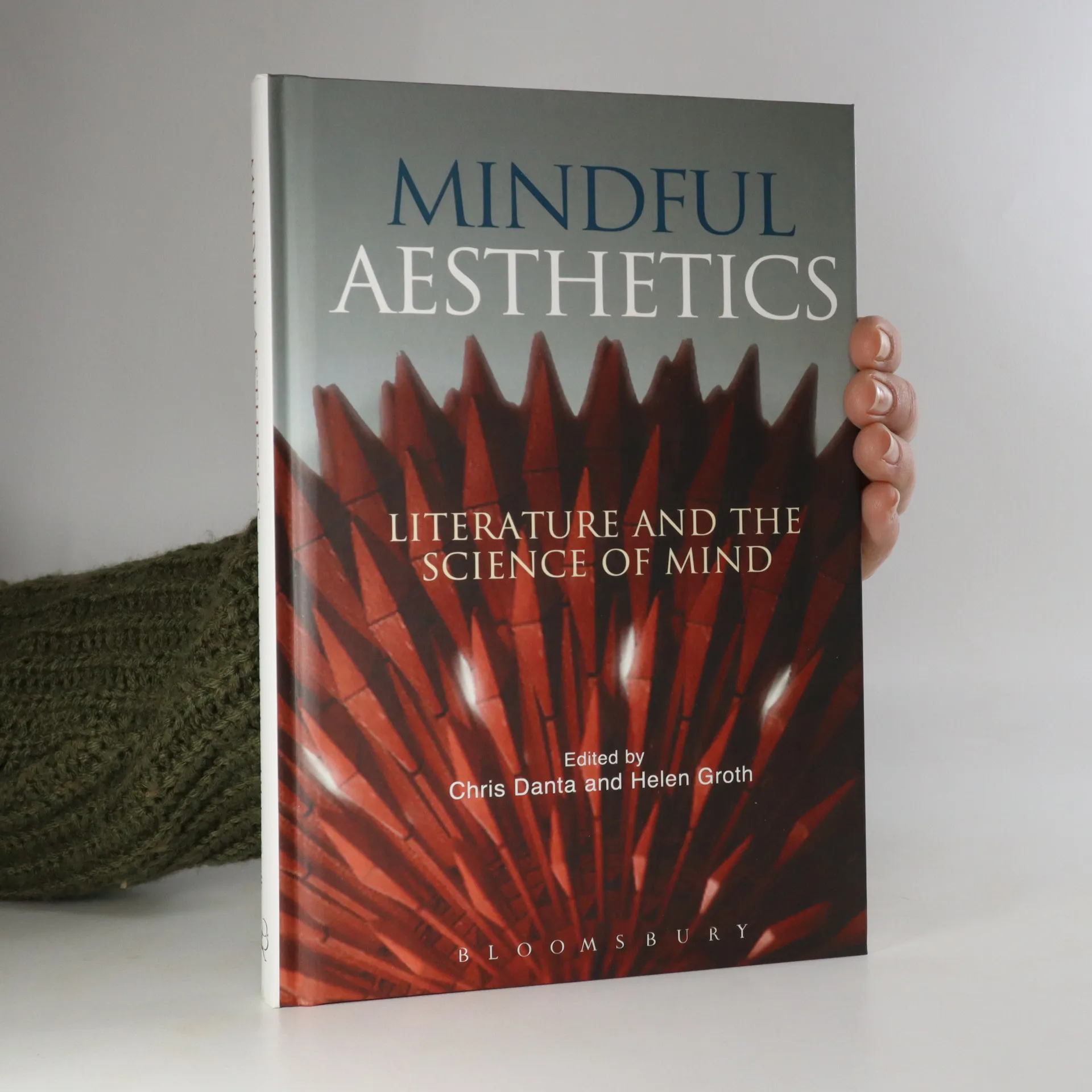
In the last few decades, literary critics have increasingly drawn insights from cognitive neuroscience to deepen and clarify our understanding of literary representations of mind. This cognitive turn has been equally generative and contentious. While cognitive literary studies has reinforced how central the concept of mind is to aesthetic practice from the classical period to the present, critics have questioned its literalism and selective borrowing of scientific authority. Mindful Aesthetics presents both these perspectives as part of a broader consideration of the ongoing and vital importance of shifting concepts of mind to both literary and critical practice. This collection contributes to the forging of a ‘new interdisciplinarity,' to paraphrase Alan Richardson's recent preface to the Neural Sublime, that is more concerned with addressing how, rather than why, we should navigate the increasingly narrow gap between the humanities and the sciences.
Zakup książki
Mindful Aesthetics. Literature and the Science of Mind, Chris Danta, Helen Groth
- Język

- Rok wydania
- 2013
- Oprawa
- (twarda)
Metody płatności
Brakuje nam tutaj Twojej recenzji.
- Tytuł
- Mindful Aesthetics. Literature and the Science of Mind
- Język
- angielski
- Autorzy
- Chris Danta, Helen Groth
- Wydawca
- Bloomsbury
- Rok wydania
- 2013
- Oprawa
- twarda
- Liczba stron
- 236
- ISBN10
- 1441102868
- ISBN13
- 9781441102867
- Seria
- Tagi
- Ocena
- 3 z 5
- Opis
- In the last few decades, literary critics have increasingly drawn insights from cognitive neuroscience to deepen and clarify our understanding of literary representations of mind. This cognitive turn has been equally generative and contentious. While cognitive literary studies has reinforced how central the concept of mind is to aesthetic practice from the classical period to the present, critics have questioned its literalism and selective borrowing of scientific authority. Mindful Aesthetics presents both these perspectives as part of a broader consideration of the ongoing and vital importance of shifting concepts of mind to both literary and critical practice. This collection contributes to the forging of a ‘new interdisciplinarity,' to paraphrase Alan Richardson's recent preface to the Neural Sublime, that is more concerned with addressing how, rather than why, we should navigate the increasingly narrow gap between the humanities and the sciences.