


Więcej o książce
In Cruelty, neuroscientist Kathleen Taylor explores the factors behind violence, sexual abuse, genocide, and other atrocities. Drawing on history, politics, philosophy, psychology, and especially neuroscience, she sets cruelty in the context of human evolution and our current understanding of brain function. She begins with an example from Lithuania in World War II, in which a young man beat a group of prisoners to death, one by one, as a crowd of civilians cheered. Can the killer and his audience be described as mentally ill? Could we ever be like them? Taylor explores the beliefs, emotions, and even instincts which can lead normally decent and law-abiding people to commit shocking acts of murder. For instance, she shows how movements begun consciously can trigger more instinctive behavior. Men who chase a victim intending to scare him may find that their brains reinterpret the chase as a hunt--and treat the victim as prey. Filled with such insight, Taylor provides a clear, nuanced and thoughtful assessment of human viciousness.
Zakup książki
Cruelty. Human evil and the human brain, Kathleen E. Kathleen Eleanor Taylor
- Język

- Rok wydania
- 2009
- Oprawa
- (twarda)
Metody płatności
Brakuje nam tutaj Twojej recenzji.
- Tytuł
- Cruelty. Human evil and the human brain
- Język
- angielski
- Wydawca
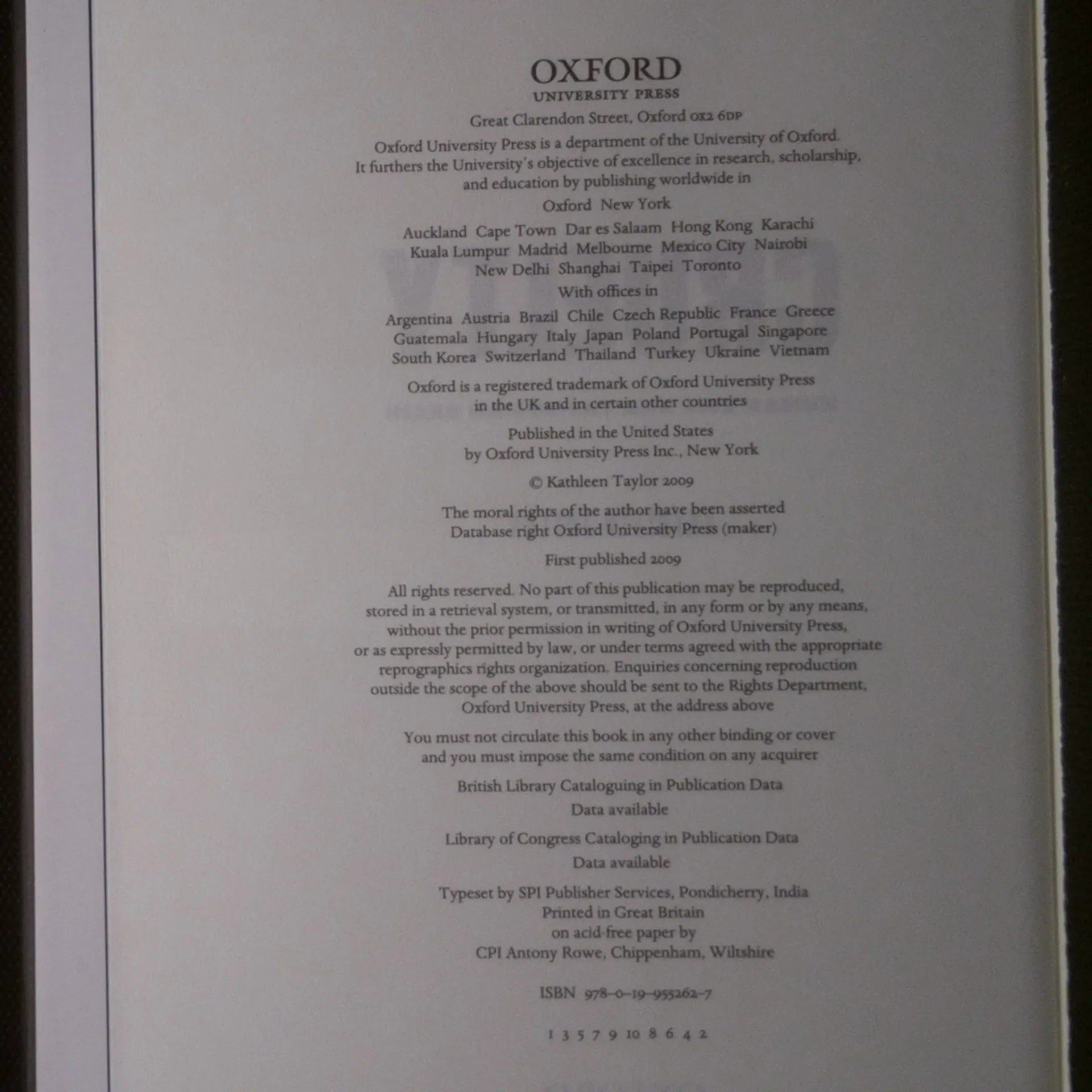
- Oxford University Press
- Rok wydania
- 2009
- Oprawa
- twarda
- Liczba stron
- 337
- ISBN10
- 0199552622
- ISBN13
- 9780199552627
- Seria
- Kategorie
- Ocena
- 3,8 z 5
- Opis
- In Cruelty, neuroscientist Kathleen Taylor explores the factors behind violence, sexual abuse, genocide, and other atrocities. Drawing on history, politics, philosophy, psychology, and especially neuroscience, she sets cruelty in the context of human evolution and our current understanding of brain function. She begins with an example from Lithuania in World War II, in which a young man beat a group of prisoners to death, one by one, as a crowd of civilians cheered. Can the killer and his audience be described as mentally ill? Could we ever be like them? Taylor explores the beliefs, emotions, and even instincts which can lead normally decent and law-abiding people to commit shocking acts of murder. For instance, she shows how movements begun consciously can trigger more instinctive behavior. Men who chase a victim intending to scare him may find that their brains reinterpret the chase as a hunt--and treat the victim as prey. Filled with such insight, Taylor provides a clear, nuanced and thoughtful assessment of human viciousness.