

Więcej o książce
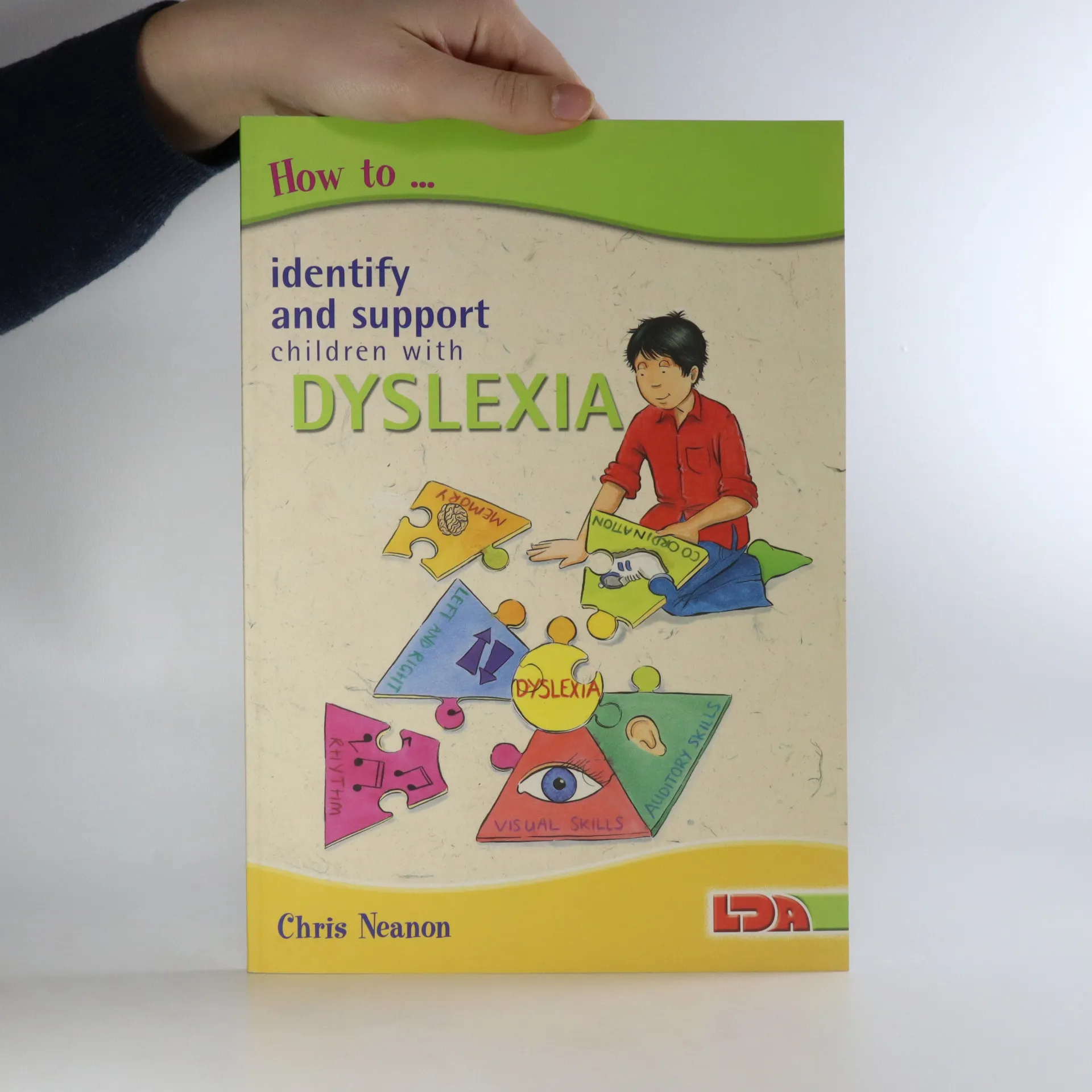
Written by an experienced Dyslexia Adviser, this practical new book offers help and advice to those providing and supporting the learning process of dyslexic children within the primary school classroom. Packed with valuable advice and ideas, Chris Neanon aims to address those questions that are most frequently asked by teachers and to build confidence. Sections Definitions of dyslexia, recent research and early identification issues. What is it like to be dyslexic? A child's perspective on dyslexia. Differences in learning styles How to support the dyslexic learner in the Literacy Hour Using teaching assistants most effectively Useful resources - letters for parents explaining dyslexia including suggestions of ways in which parents can support children at home
Zakup książki
How to identify and support children with dyslexia, Chris Neanon
- Język

- Rok wydania
- 2002
- Oprawa
- (miękka)
Metody płatności
Brakuje nam tutaj Twojej recenzji.
- Tytuł
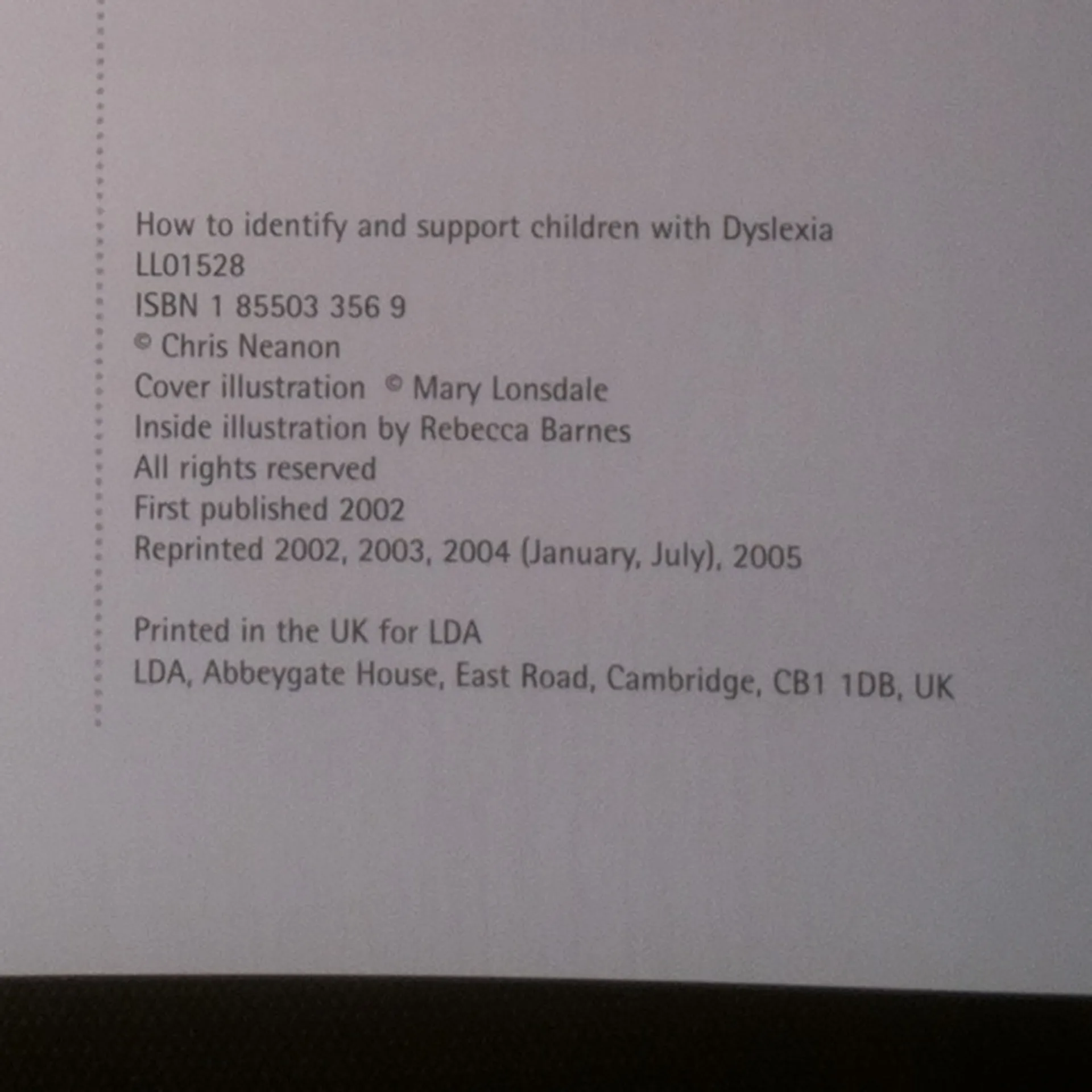
- How to identify and support children with dyslexia
- Język
- angielski
- Autorzy
- Chris Neanon
- Wydawca
- LDA
- Rok wydania
- 2002
- Oprawa
- miękka
- Liczba stron
- 64
- ISBN10
- 1855033569
- ISBN13
- 9781855033566
- Seria
- Ocena
- 3,75 z 5
- Opis
- Written by an experienced Dyslexia Adviser, this practical new book offers help and advice to those providing and supporting the learning process of dyslexic children within the primary school classroom. Packed with valuable advice and ideas, Chris Neanon aims to address those questions that are most frequently asked by teachers and to build confidence. Sections Definitions of dyslexia, recent research and early identification issues. What is it like to be dyslexic? A child's perspective on dyslexia. Differences in learning styles How to support the dyslexic learner in the Literacy Hour Using teaching assistants most effectively Useful resources - letters for parents explaining dyslexia including suggestions of ways in which parents can support children at home