

Więcej o książce
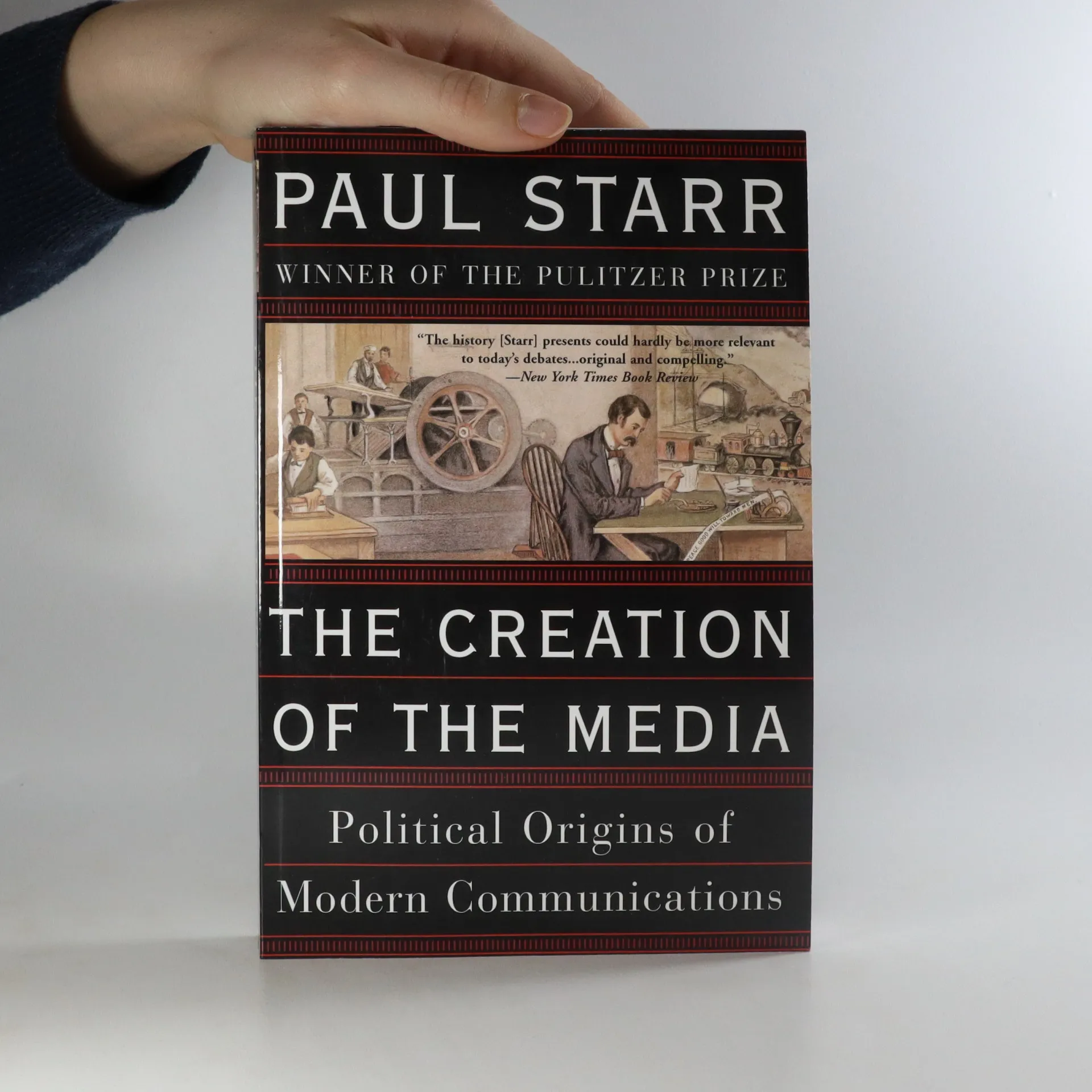
America's prominent role in the information revolution reflects its status as a dominant economy and powerful state. However, by the early nineteenth century, when the U.S. was not yet a world power or a center for scientific discovery, it was already a leader in communications, excelling in postal services and newspaper publishing, and later in telegraph and telephone networks. This social history of American media, from the first printing press to early radio, illustrates that modern communications emerged from political choices as much as from technological advancements. The analysis reveals how decisions regarding a state-run post office and private monopolies on telegraph and telephone systems shaped society. It also addresses contemporary issues surrounding freedom of information by examining key topics like freedom of the press, intellectual property, privacy, public access to information, and the development of specific technologies and institutions. Starr argues that America's choices in these areas have significant long-term effects on societal development, with broad social, economic, and military implications. This work not only recounts media history in a novel way but also offers a fresh perspective on America’s global influence.
Zakup książki
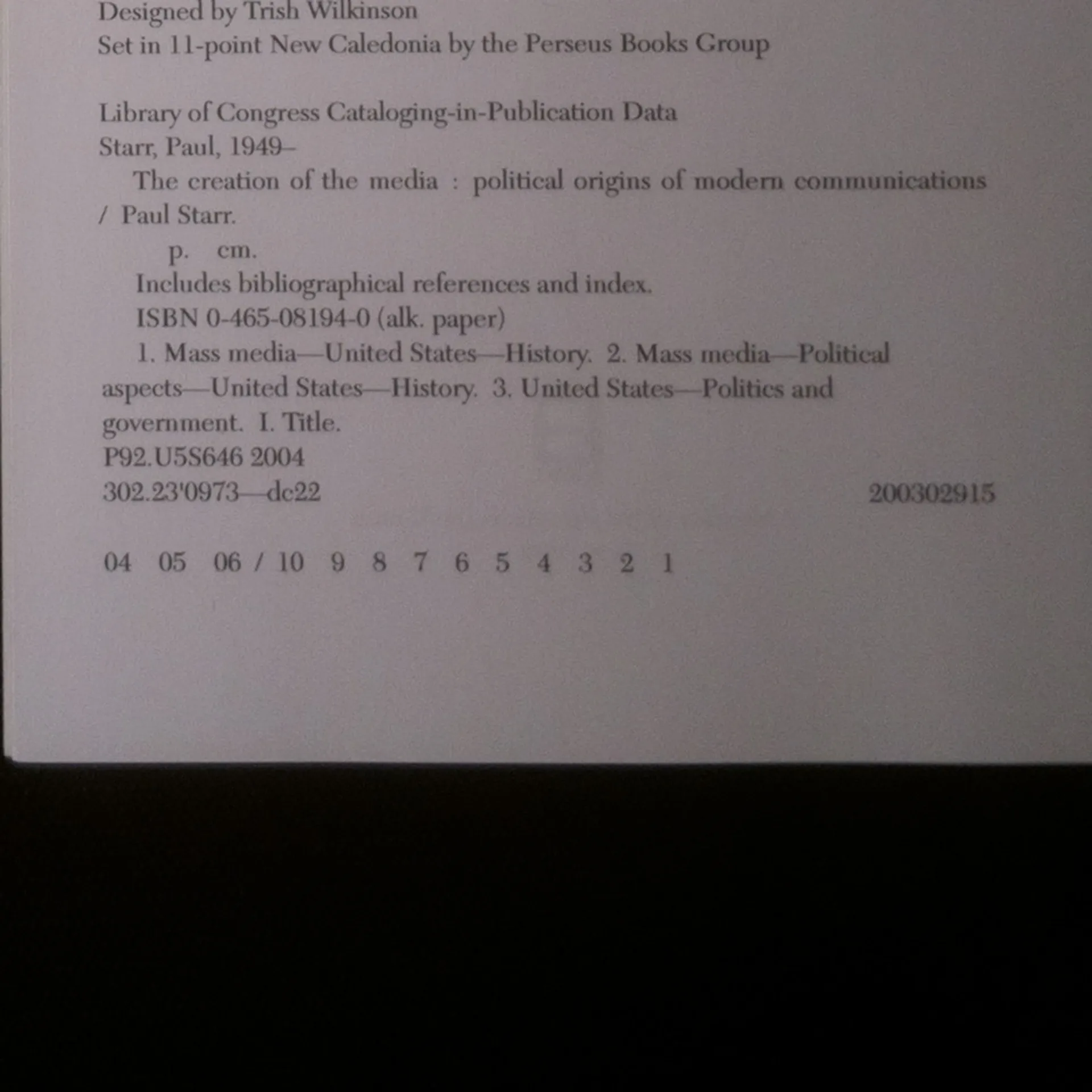
The creation of the media. Political origins of modern communications., Paul Starr
- Język

- Rok wydania
- 2004
- Oprawa
- (twarda)
Metody płatności
Brakuje nam tutaj Twojej recenzji.
- Tytuł
- The creation of the media. Political origins of modern communications.
- Język
- angielski
- Autorzy
- Paul Starr
- Wydawca
- Basic Books
- Rok wydania
- 2004
- Oprawa
- twarda
- ISBN10
- 0465081932
- ISBN13
- 9780465081936
- Seria
- Kategorie
- Ocena
- 4,1 z 5
- Opis
- America's prominent role in the information revolution reflects its status as a dominant economy and powerful state. However, by the early nineteenth century, when the U.S. was not yet a world power or a center for scientific discovery, it was already a leader in communications, excelling in postal services and newspaper publishing, and later in telegraph and telephone networks. This social history of American media, from the first printing press to early radio, illustrates that modern communications emerged from political choices as much as from technological advancements. The analysis reveals how decisions regarding a state-run post office and private monopolies on telegraph and telephone systems shaped society. It also addresses contemporary issues surrounding freedom of information by examining key topics like freedom of the press, intellectual property, privacy, public access to information, and the development of specific technologies and institutions. Starr argues that America's choices in these areas have significant long-term effects on societal development, with broad social, economic, and military implications. This work not only recounts media history in a novel way but also offers a fresh perspective on America’s global influence.