



Parametry
Więcej o książce
Edvard Grieg's 180 songs mirror his artistic and personal development more intimately than any of his other music, yet are still the least known part of his output. This definitive appraisal, now revised and updated, discusses every song, including those left only in manuscript and sketches at the composer's death, set against the background of his life and times. It also deals with the poetry set, often chosen to reflect his current situation, and the poets, several of whom, including great figures of the day such as Ibsen and Bjornson, were his friends and colleagues. Grieg frequently bemoaned poor translations and indifferent performances, and the various editions and translations, from first publication to the present day, are also discussed, together with his own ideas for interpretation. Musical examples and analysis are included to give a closer understanding of Grieg's word-setting and harmonic development, although their performance is always kept paramount
Zakup książki
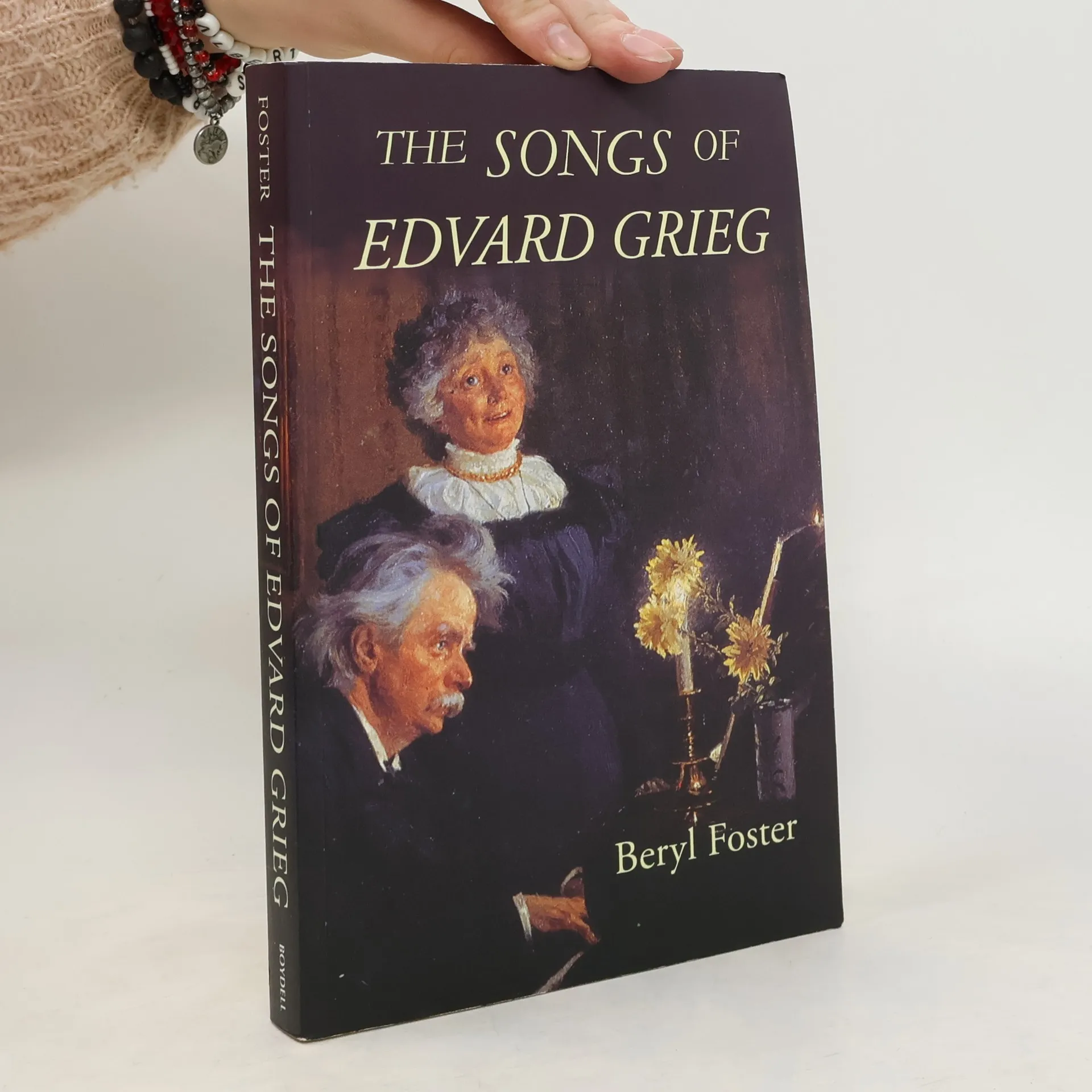
The Songs of Edvard Grieg, Beryl Foster
- Język

- Rok wydania
- 2007
- Oprawa
- (miękka)
Metody płatności
Nikt jeszcze nie ocenił.
- Tytuł
- The Songs of Edvard Grieg
- Język
- angielski
- Autorzy
- Beryl Foster
- Wydawca
- Boydell Press
- Rok wydania
- 2007
- Oprawa
- miękka
- ISBN10
- 1843833433
- ISBN13
- 9781843833437
- Seria
- Opis
- Edvard Grieg's 180 songs mirror his artistic and personal development more intimately than any of his other music, yet are still the least known part of his output. This definitive appraisal, now revised and updated, discusses every song, including those left only in manuscript and sketches at the composer's death, set against the background of his life and times. It also deals with the poetry set, often chosen to reflect his current situation, and the poets, several of whom, including great figures of the day such as Ibsen and Bjornson, were his friends and colleagues. Grieg frequently bemoaned poor translations and indifferent performances, and the various editions and translations, from first publication to the present day, are also discussed, together with his own ideas for interpretation. Musical examples and analysis are included to give a closer understanding of Grieg's word-setting and harmonic development, although their performance is always kept paramount