

Więcej o książce
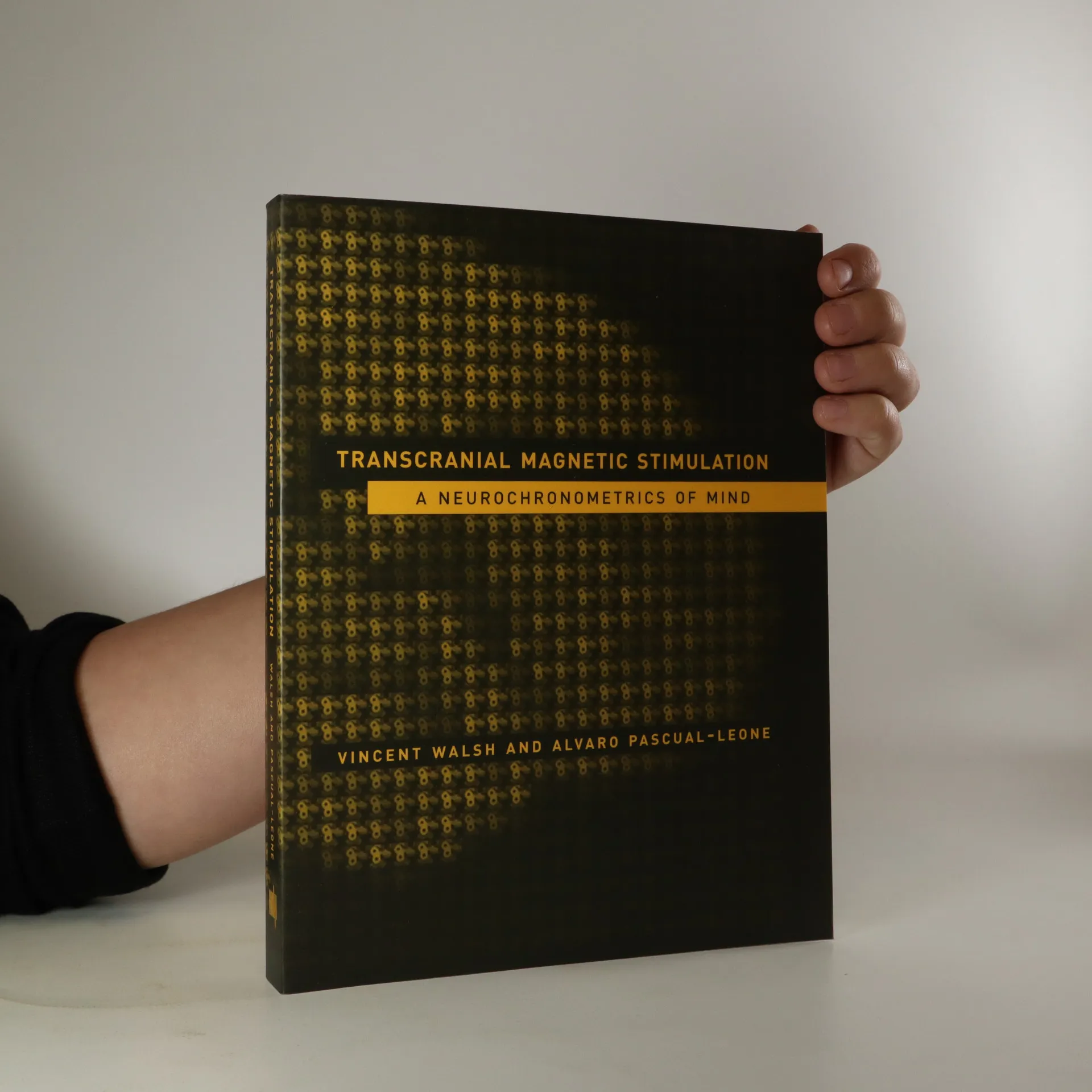
The mainstays of brain imaging techniques have been positron emission tomography (PET), functional magnetic resonance imaging (fMRI), magnetoencephalography (MEG), and event-related potentials (ERPs). These methods all record direct or indirect measures of brain activity and correlate the activity patterns with behavior. But to go beyond the correlations established by these techniques and prove the necessity of an area for a given function, cognitive neuroscientists need to be able to reverse engineer the brain -- i.e., to selectively remove components from information processing and assess their impact on the output.This book is about transcranial magnetic stimulation (TMS), a technique that emerged during the same period as neuroimaging and has made it possible to reverse engineer the human brain's role in behavioral and cognitive functions. The subject areas that can be studied using TMS run the gamut of cognitive psychology -- attention, perception, awareness, eye movements, action selection, memory, plasticity, language, numeracy, and priming. The book presents an overview of historical attempts at magnetic brain stimulation, ethical considerations of the technique's use, basic technical and practical information, the results of numerous TMS studies, and a discussion of the future of TMS in the armamentarium of cognitive neuropsychology.
Zakup książki
Transcranial magnetic stimulation, Vincent Walsh
- Język

- Rok wydania
- 2005
Metody płatności
Nikt jeszcze nie ocenił.
- Tytuł
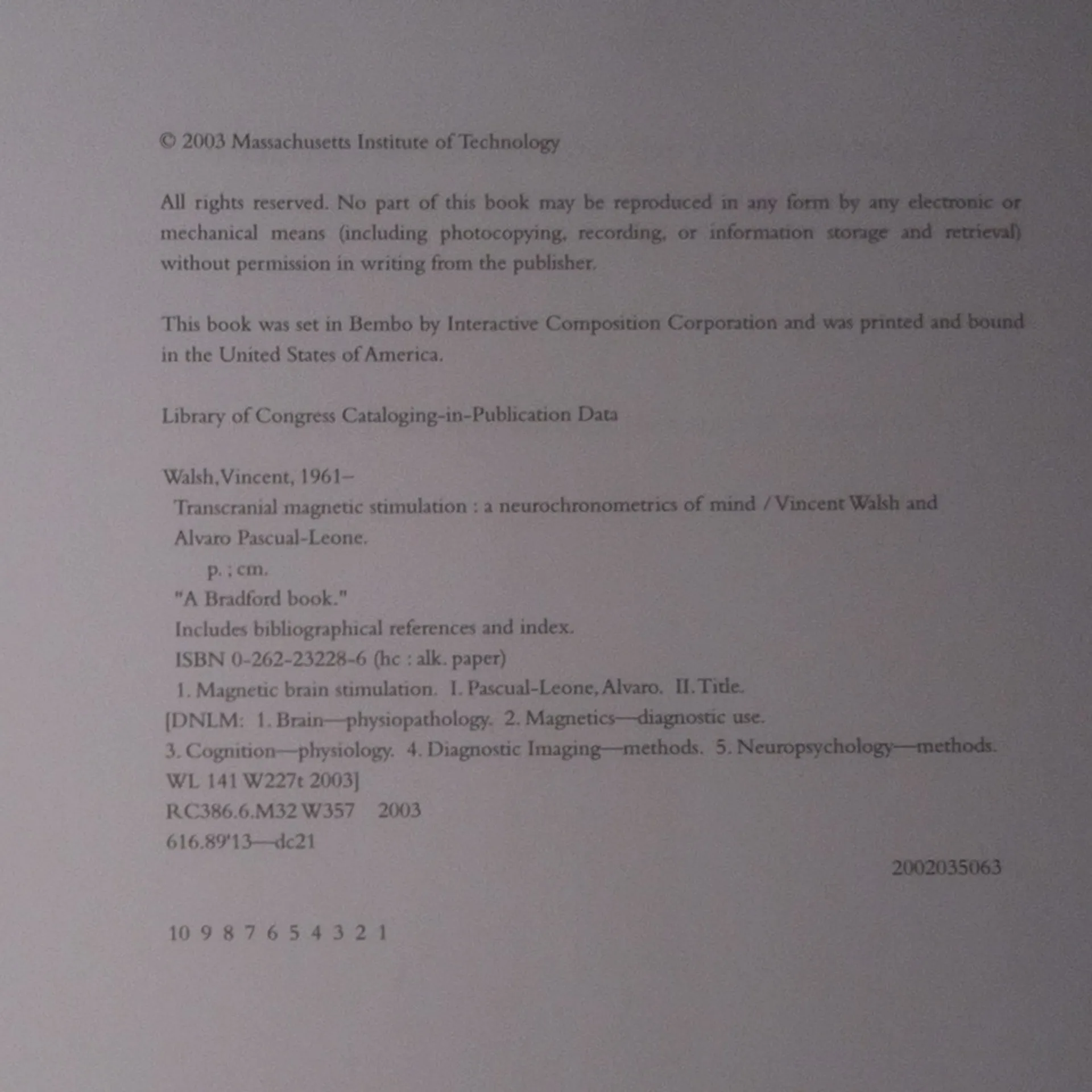
- Transcranial magnetic stimulation
- Język
- angielski
- Autorzy
- Vincent Walsh
- Wydawca
- MIT Press
- Rok wydania
- 2005
- Liczba stron
- 319
- ISBN10
- 0262285738
- ISBN13
- 9780262285735
- Seria
- Kategorie
- Opis
- The mainstays of brain imaging techniques have been positron emission tomography (PET), functional magnetic resonance imaging (fMRI), magnetoencephalography (MEG), and event-related potentials (ERPs). These methods all record direct or indirect measures of brain activity and correlate the activity patterns with behavior. But to go beyond the correlations established by these techniques and prove the necessity of an area for a given function, cognitive neuroscientists need to be able to reverse engineer the brain -- i.e., to selectively remove components from information processing and assess their impact on the output.This book is about transcranial magnetic stimulation (TMS), a technique that emerged during the same period as neuroimaging and has made it possible to reverse engineer the human brain's role in behavioral and cognitive functions. The subject areas that can be studied using TMS run the gamut of cognitive psychology -- attention, perception, awareness, eye movements, action selection, memory, plasticity, language, numeracy, and priming. The book presents an overview of historical attempts at magnetic brain stimulation, ethical considerations of the technique's use, basic technical and practical information, the results of numerous TMS studies, and a discussion of the future of TMS in the armamentarium of cognitive neuropsychology.