


Więcej o książce
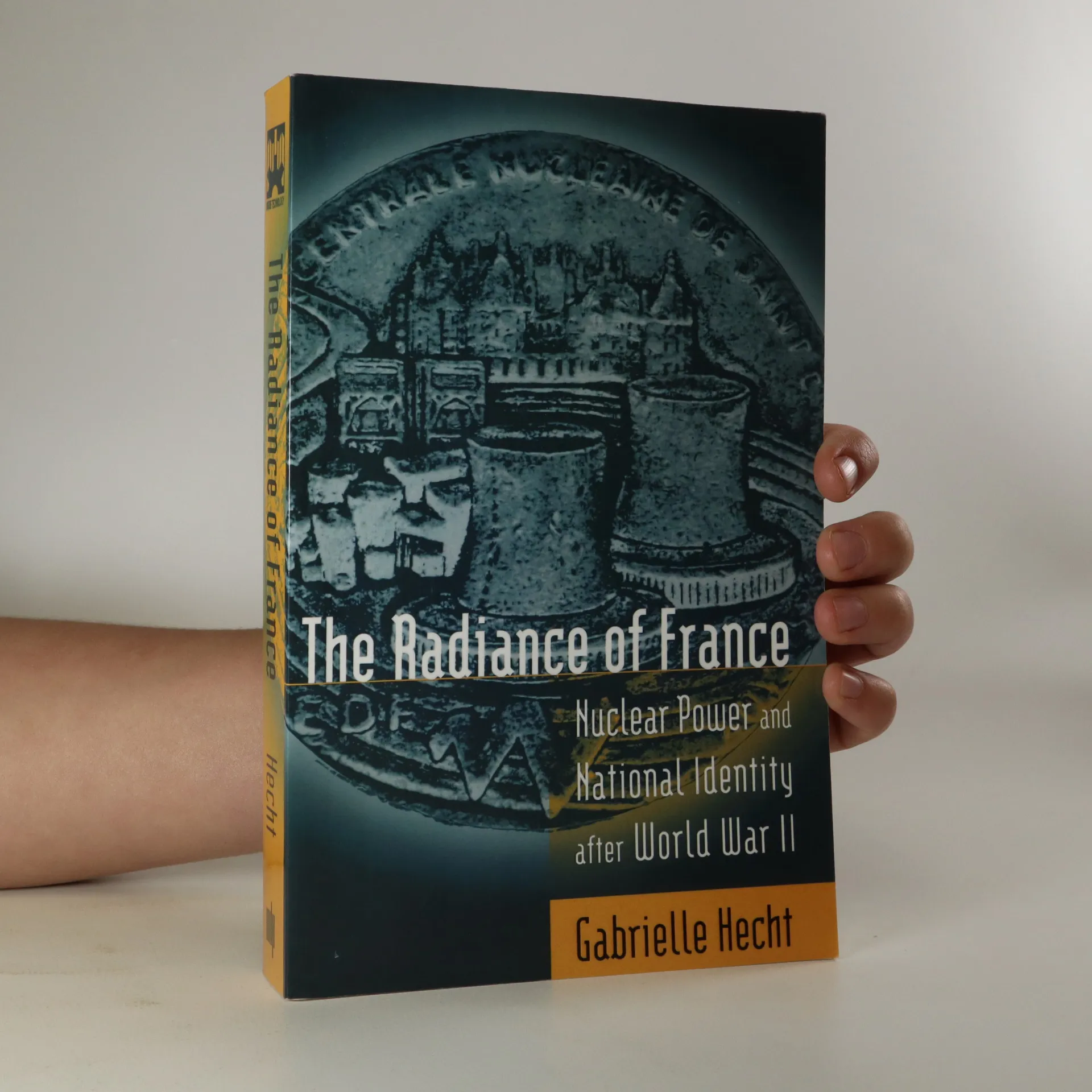
Winner of the 1999 Herbert Baxter Adams Prize of the American Historical Association. and Winner of the 2001 Edelstein Prize (formerly the Dexter Prize) presented by the Society for the History of Technology (SHOT). This award is given to the author of an outstanding scholarly book in the history of technology published during any of the three years preceding the award. In the aftermath of World War II, as France sought a distinctive role for itself in the modern, postcolonial world, the nation and its leaders enthusiastically embraced large technological projects in general and nuclear power in particular. The Radiance of France asks how it happened that technological prowess and national glory (or "radiance," which also means "radiation" in French) became synonymous in France as nowhere else. To answer this question, Gabrielle Hecht has forged an innovative combination of technology studies and cultural and political history. Focusing on the early history of French nuclear power, Hecht explores the design and development of the reactors, the culture and organization of work at reactor sites, and the ways in which local communities responded to nuclear power and state-directed technological development. Combining research in a wealth of previously untapped archival sources with extensive oral interviews, Hecht effectively demonstrates the relationship between history and memory in technological France.
Zakup książki
The Radiance of France, Gabrielle Hecht
- Język

- Rok wydania
- 2000
- Oprawa
- (miękka)
Metody płatności
Brakuje nam tutaj Twojej recenzji.
- Tytuł
- The Radiance of France
- Język
- angielski
- Autorzy
- Gabrielle Hecht
- Wydawca
- MIT Press
- Rok wydania
- 2000
- Oprawa
- miękka
- Liczba stron
- 469
- ISBN10
- 0262581965
- ISBN13
- 9780262581967
- Seria
- Kategorie
- Tagi
- Tematy historyczne, Polityka, Nauka, Francja
- Ocena
- 3,95 z 5
- Opis
- Winner of the 1999 Herbert Baxter Adams Prize of the American Historical Association. and Winner of the 2001 Edelstein Prize (formerly the Dexter Prize) presented by the Society for the History of Technology (SHOT). This award is given to the author of an outstanding scholarly book in the history of technology published during any of the three years preceding the award. In the aftermath of World War II, as France sought a distinctive role for itself in the modern, postcolonial world, the nation and its leaders enthusiastically embraced large technological projects in general and nuclear power in particular. The Radiance of France asks how it happened that technological prowess and national glory (or "radiance," which also means "radiation" in French) became synonymous in France as nowhere else. To answer this question, Gabrielle Hecht has forged an innovative combination of technology studies and cultural and political history. Focusing on the early history of French nuclear power, Hecht explores the design and development of the reactors, the culture and organization of work at reactor sites, and the ways in which local communities responded to nuclear power and state-directed technological development. Combining research in a wealth of previously untapped archival sources with extensive oral interviews, Hecht effectively demonstrates the relationship between history and memory in technological France.