

Parametry
Więcej o książce
Modern legal theory contains a wide range of approaches and topics: from economic analysis of law to feminist legal theory to traditional analytical legal philosophy to a range of theories about justice. This healthy variety of jurisprudential work has created a problem: students and theorists working in one tradition may have difficulty understanding the concepts and terminology of a different tradition. This book works to make terminology and ways of thinking accessible.This dictionary covers topics from the 'autonomy of law' to the 'will theory of rights', from 'autopoiesis' to 'wealth maximization', and from 'John Austin' to 'Ludwig Wittgenstein'. The most important concepts and ideas are presented in a simple dictionary format. There are also many longer entries, where the initial definition gives an accessible explanation, but the entry goes on to give more detailed information about the history of an idea and the debates currently surrounding it.
Zakup książki
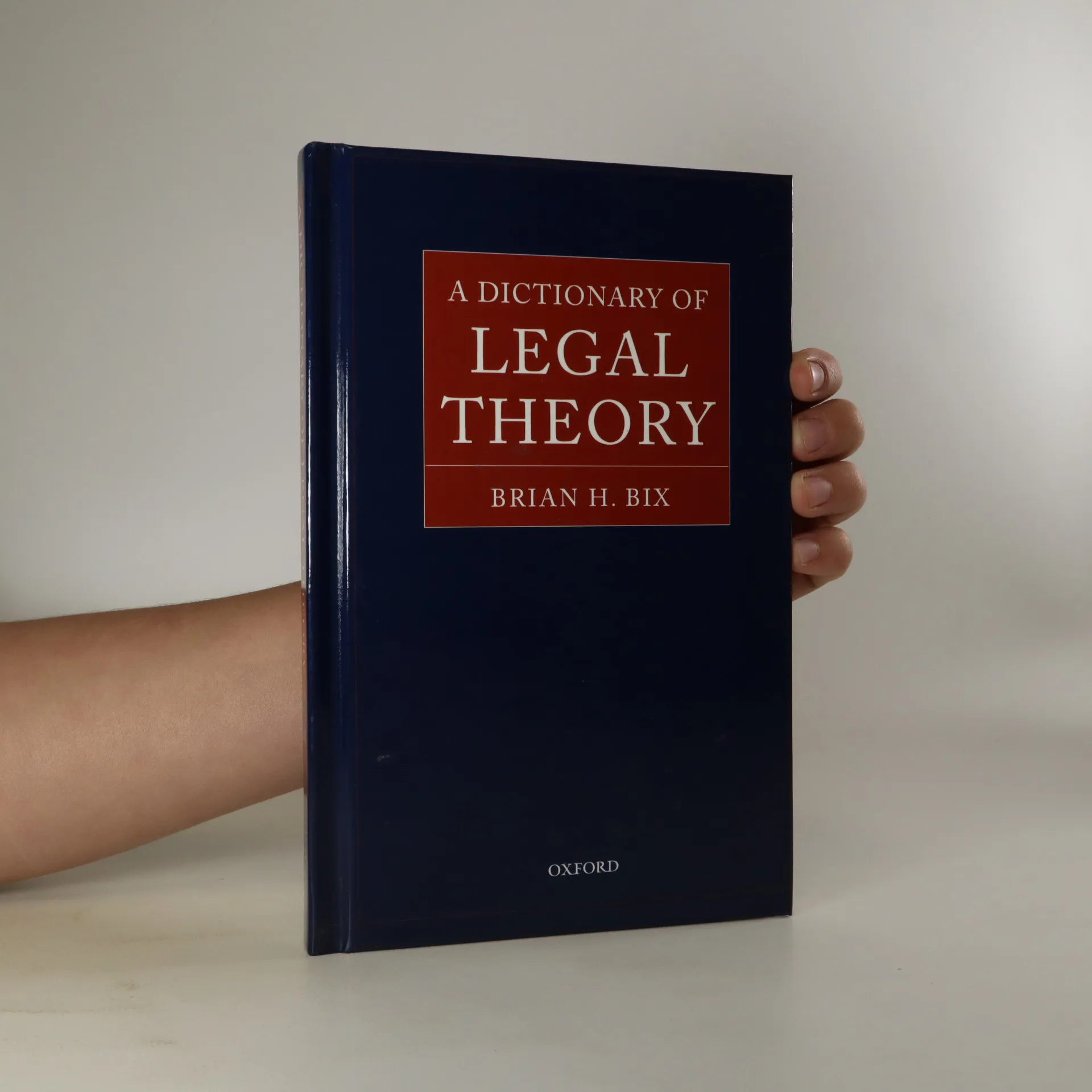
A dictionary of legal theory, Brian Bix
- Język

- Rok wydania
- 2004
- Oprawa
- (twarda)
Metody płatności
Brakuje nam tutaj Twojej recenzji.
- Tytuł
- A dictionary of legal theory
- Język
- angielski
- Autorzy
- Brian Bix
- Wydawca
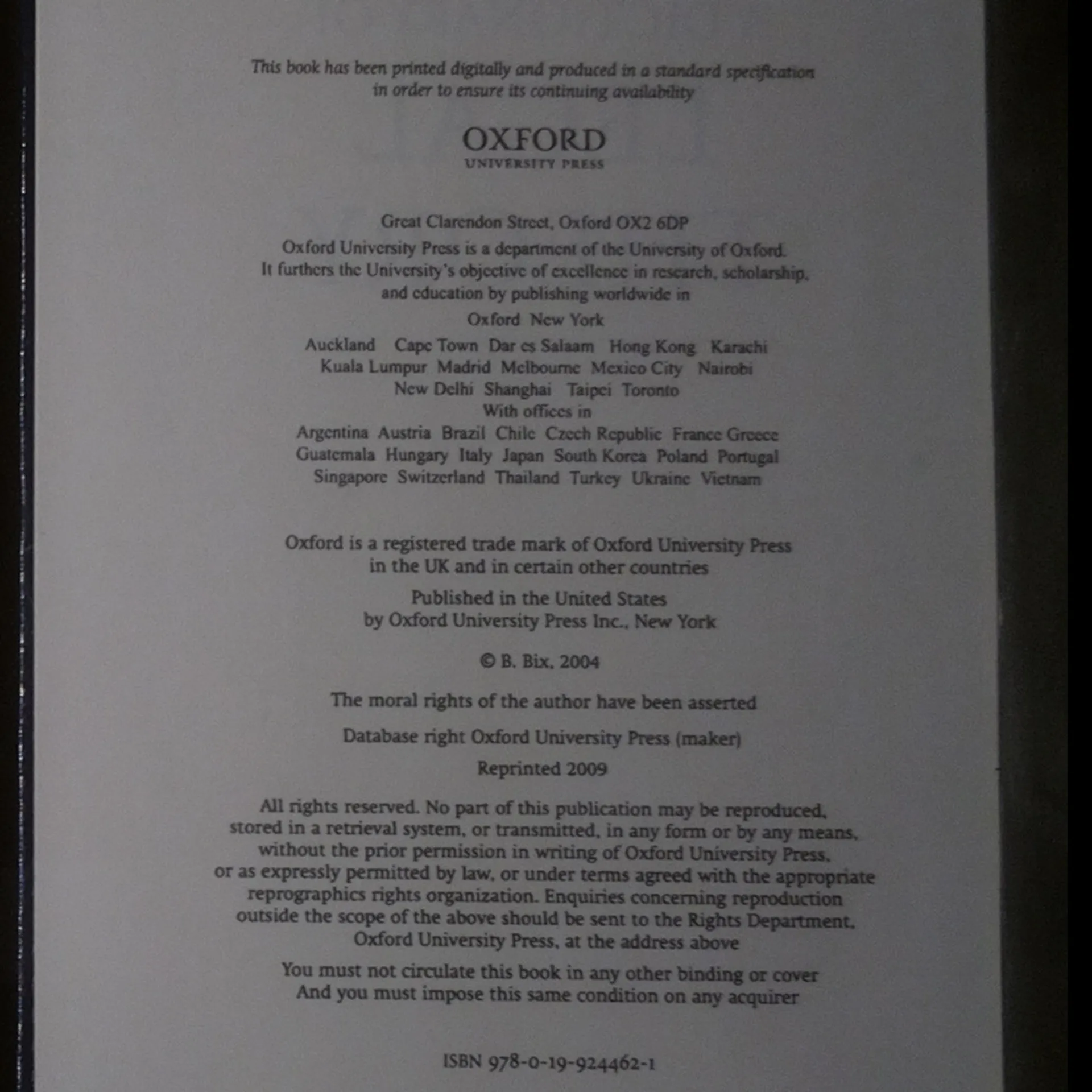
- Oxford University Press
- Rok wydania
- 2004
- Oprawa
- twarda
- ISBN10
- 0199244626
- ISBN13
- 9780199244621
- Seria
- Tagi
- Biznes, Tematy prawne
- Ocena
- 4,25 z 5
- Opis
- Modern legal theory contains a wide range of approaches and topics: from economic analysis of law to feminist legal theory to traditional analytical legal philosophy to a range of theories about justice. This healthy variety of jurisprudential work has created a problem: students and theorists working in one tradition may have difficulty understanding the concepts and terminology of a different tradition. This book works to make terminology and ways of thinking accessible.This dictionary covers topics from the 'autonomy of law' to the 'will theory of rights', from 'autopoiesis' to 'wealth maximization', and from 'John Austin' to 'Ludwig Wittgenstein'. The most important concepts and ideas are presented in a simple dictionary format. There are also many longer entries, where the initial definition gives an accessible explanation, but the entry goes on to give more detailed information about the history of an idea and the debates currently surrounding it.