

Więcej o książce
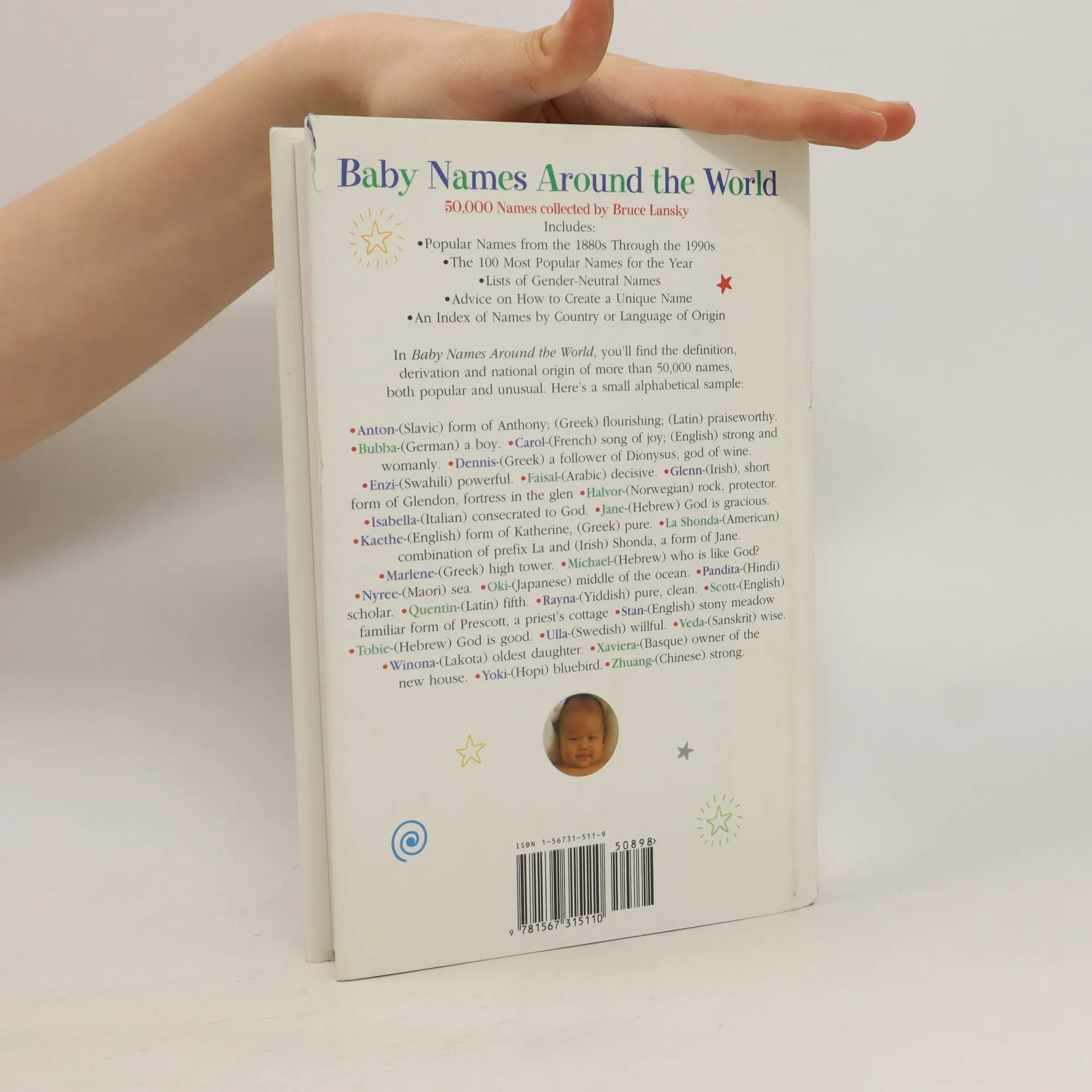
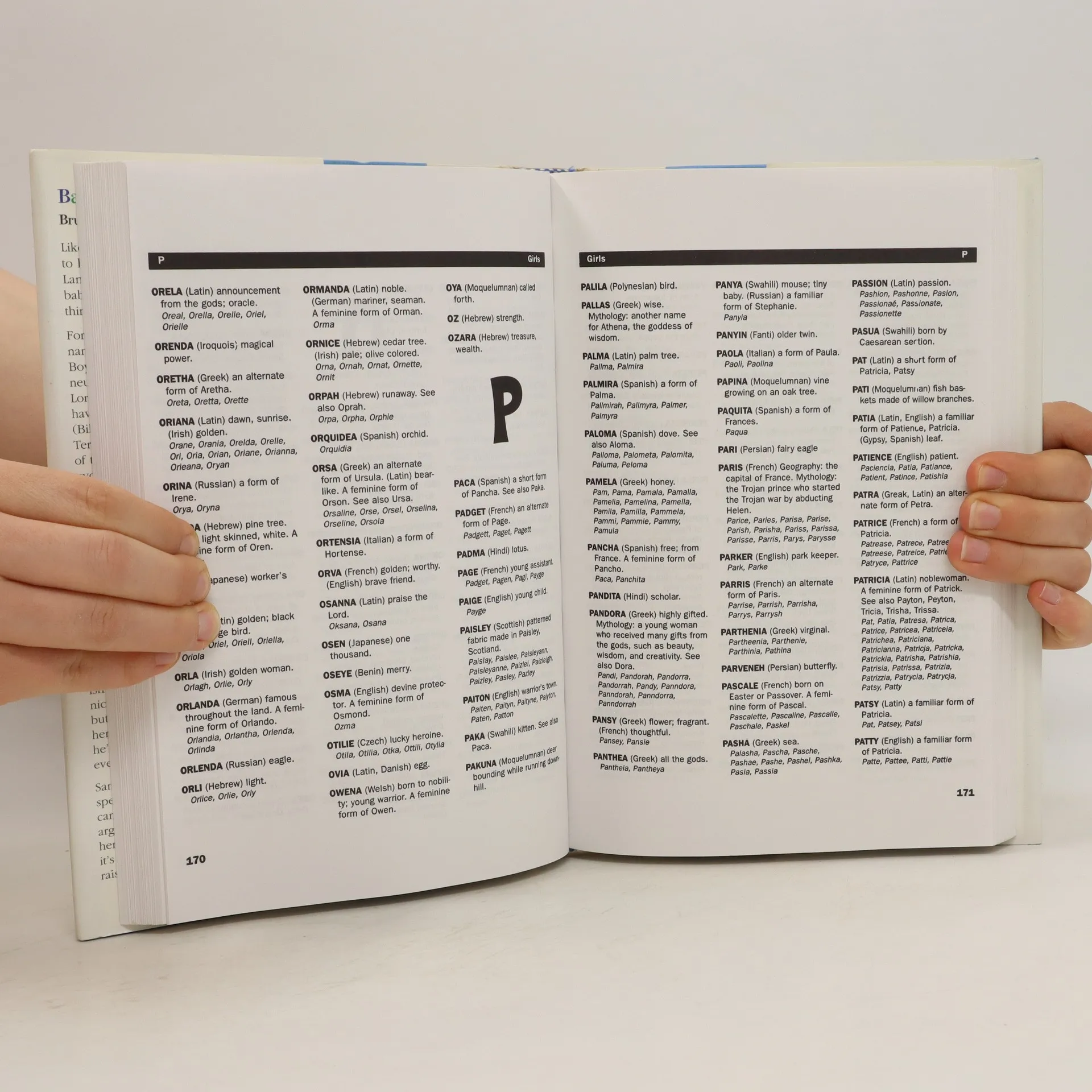
Like everyone, you want your special baby to have a special, meaningful name. Bruce Lansky, North America's foremost expert on baby names, will help you keep several things in mind as you choose one. For example, when people talk about baby names, what's the first question they ask? Boy or girl? But there are lots of genderneutral names (such as Avery, Jordan, Loren and Tracy) and lots of others that have a "male" and "female" spelling (Billie/Billy, Dani/Danny, Lani/Lanny, Terri/Terry). Besides offering a lengthy list of these names, Lansky also discusses the two attitudes towards names and gender. Some parents feel a unisex name allows them to pick a name with certainty, even before the baby's sex is known. They also appreciate the lack of traditional sex-role stereotyping associated with those names. But others argue that a child shouldn't need to explain which sex he or she is, and that boys especially may feel threatened or insulted if they're presumed to be girls.
Zakup książki
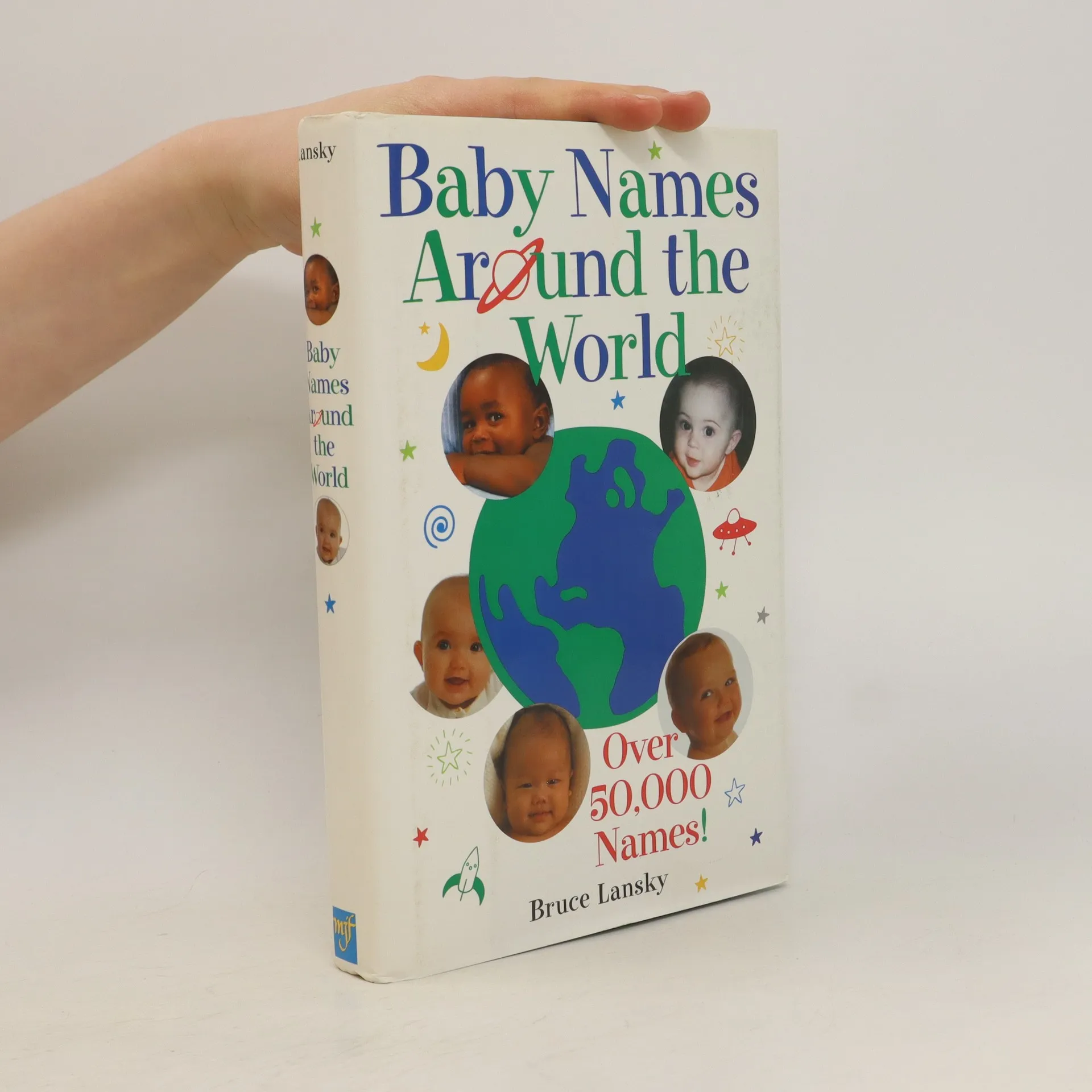
Baby Names Around the World, Bruce Lansky
- Język

- Rok wydania
- 2002
- Oprawa
- (twarda)
Metody płatności
Brakuje nam tutaj Twojej recenzji.
- Tytuł
- Baby Names Around the World
- Język
- angielski
- Autorzy
- Bruce Lansky
- Wydawca
- MJF Books
- Rok wydania
- 2002
- Oprawa
- twarda
- Liczba stron
- 394
- ISBN10
- 1567315119
- ISBN13
- 9781567315110
- Seria
- Kategorie
- Tagi
- Poradniki
- Ocena
- 5 z 5
- Opis
- Like everyone, you want your special baby to have a special, meaningful name. Bruce Lansky, North America's foremost expert on baby names, will help you keep several things in mind as you choose one. For example, when people talk about baby names, what's the first question they ask? Boy or girl? But there are lots of genderneutral names (such as Avery, Jordan, Loren and Tracy) and lots of others that have a "male" and "female" spelling (Billie/Billy, Dani/Danny, Lani/Lanny, Terri/Terry). Besides offering a lengthy list of these names, Lansky also discusses the two attitudes towards names and gender. Some parents feel a unisex name allows them to pick a name with certainty, even before the baby's sex is known. They also appreciate the lack of traditional sex-role stereotyping associated with those names. But others argue that a child shouldn't need to explain which sex he or she is, and that boys especially may feel threatened or insulted if they're presumed to be girls.