

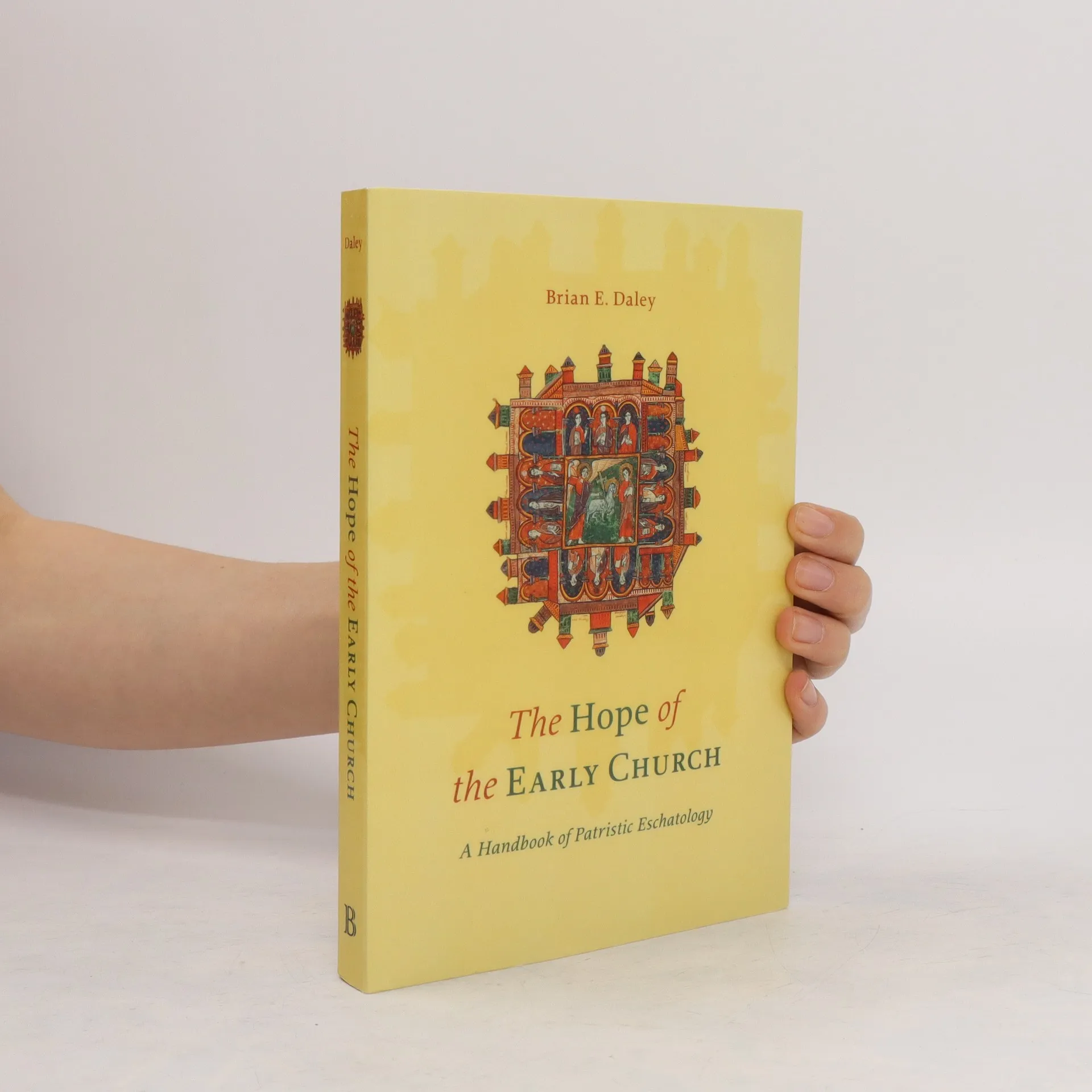


Więcej o książce
What did early Christians believe about last things? Eschatology--religious doctrine about "last things"--is the hope of believing people that in the end the incompleteness of their present experience of God will be resolved, that loose ends will be tied up and wrongs made right. Rooted in a firm faith in Jesus crucified and risen, Christian eschatological hope has proved remarkably resilient, expecting the Lord to return very soon, and wavering little when the wait has been prolonged. This comprehensive survey, based on Christian texts in the Greek, Latin, Syriac, Coptic, and Armenian traditions from the second century through Gregory the Great and John of Damascus, is already well known to biblical scholars, church historians, theologians, and other students of the history of Christian thought. Appearing in an affordable, paperback edition, it is now available to students and to contemporary believers, whose hope it aims to nourish and stir up by acquainting them with the faith of their forebears in Christ.
Zakup książki
The Hope of the Early Church, Brian Daley
- Język

- Rok wydania
- 2002
- Oprawa
- (miękka)
Metody płatności
Brakuje nam tutaj Twojej recenzji.
- Tytuł
- The Hope of the Early Church
- Język
- angielski
- Autorzy
- Brian Daley
- Wydawca
- Baker Academic
- Rok wydania
- 2002
- Oprawa
- miękka
- Liczba stron
- 318
- ISBN10
- 0801045975
- ISBN13
- 9780801045974
- Seria
- Kategorie
- Ocena
- 4,2 z 5
- Opis
- What did early Christians believe about last things? Eschatology--religious doctrine about "last things"--is the hope of believing people that in the end the incompleteness of their present experience of God will be resolved, that loose ends will be tied up and wrongs made right. Rooted in a firm faith in Jesus crucified and risen, Christian eschatological hope has proved remarkably resilient, expecting the Lord to return very soon, and wavering little when the wait has been prolonged. This comprehensive survey, based on Christian texts in the Greek, Latin, Syriac, Coptic, and Armenian traditions from the second century through Gregory the Great and John of Damascus, is already well known to biblical scholars, church historians, theologians, and other students of the history of Christian thought. Appearing in an affordable, paperback edition, it is now available to students and to contemporary believers, whose hope it aims to nourish and stir up by acquainting them with the faith of their forebears in Christ.