

Więcej o książce
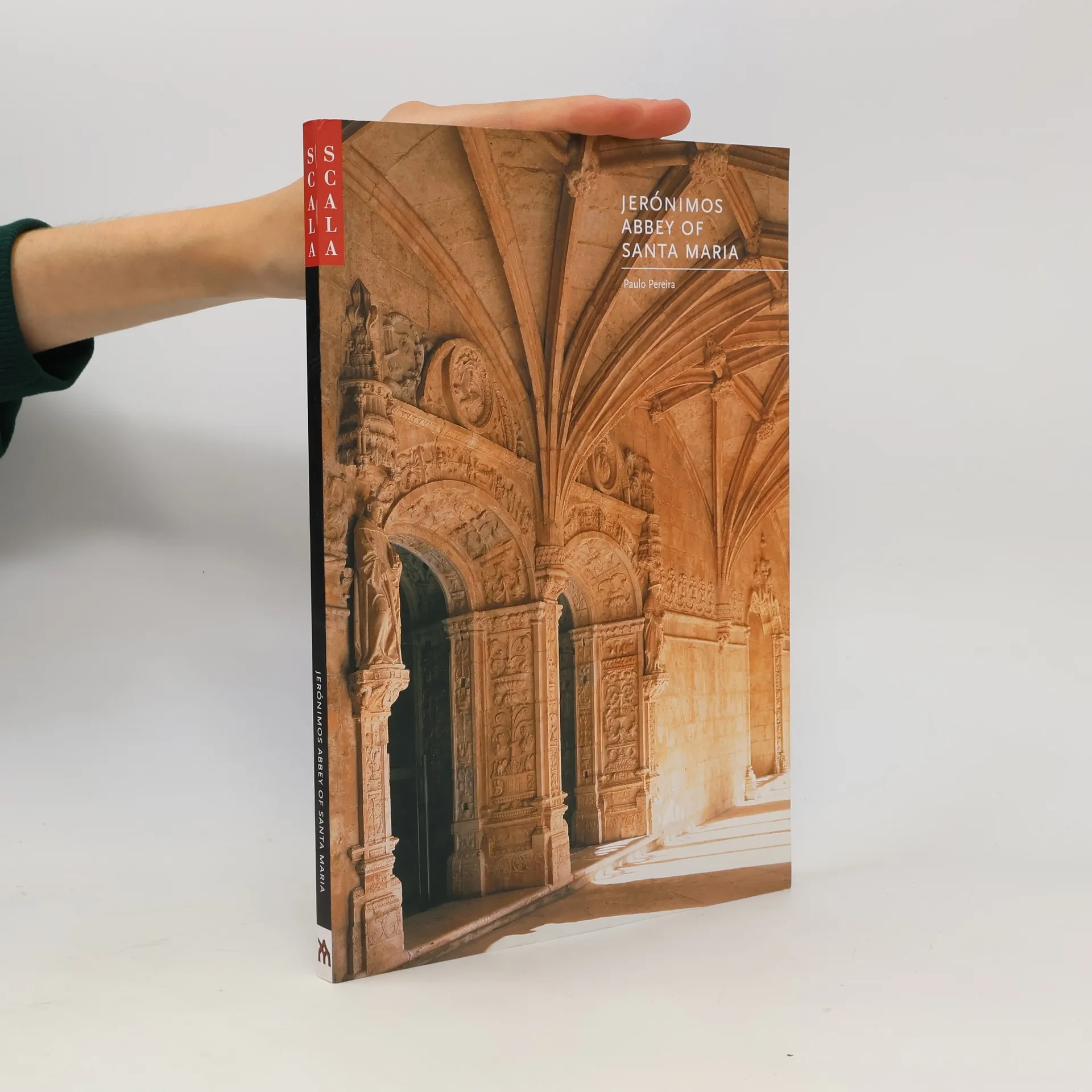
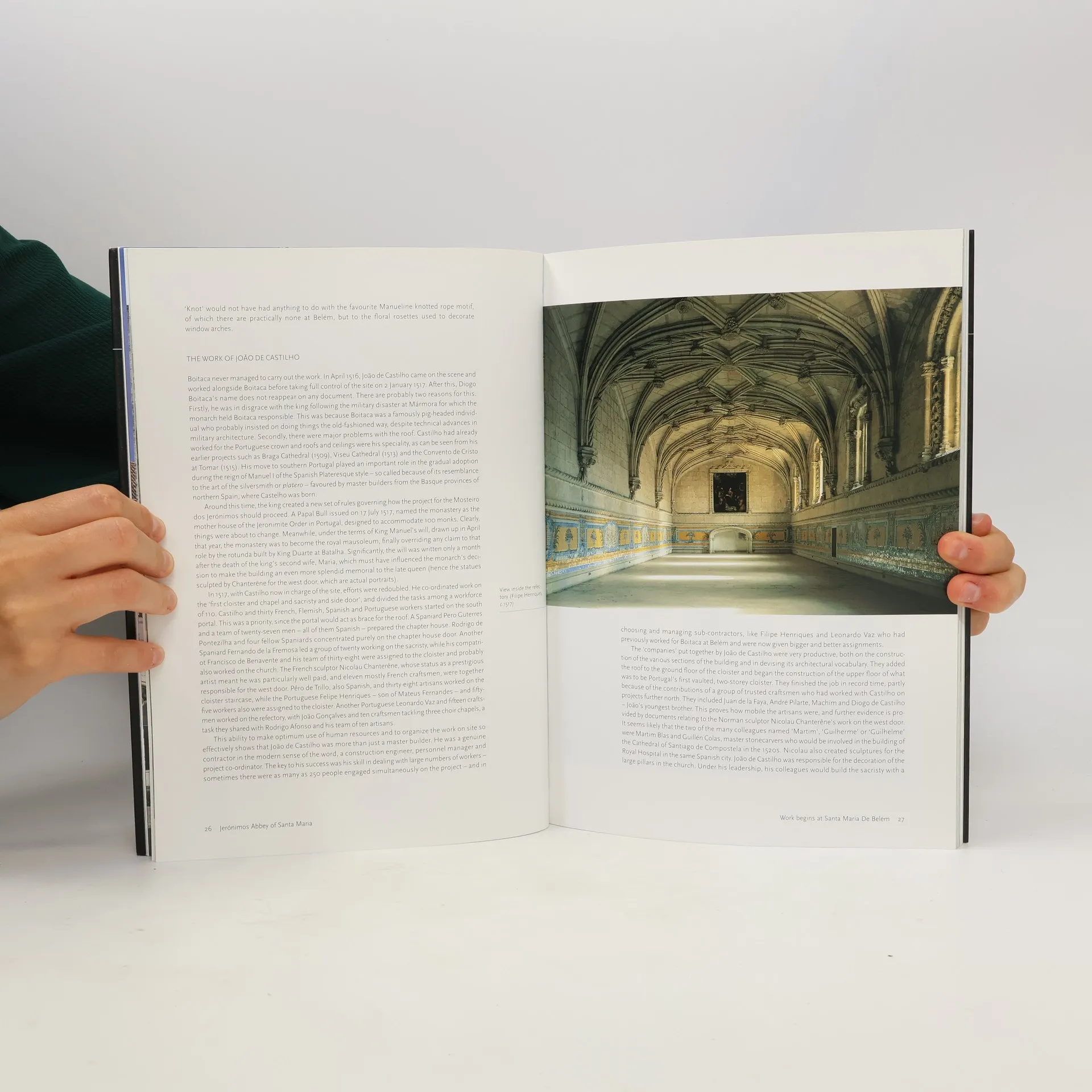
Originating in the late fifteenth century, this magnificent building is a superb and important subject for the next voume in this series exploring the historic monuments of Portugal. Published to coincide with the 500th anniversary of the completion of Jercnimos Abbey which took almost 100 years to build the book includes specially commissioned plans, photographs and original drawings. Written by an expert in Manueline architecture, the lively text reveals the great riches of the site's architecture as well as its art historical significance. Recent restoration has revealed afresh the quality of the art preserved here, as well as the beauty of the local stone from which the abbey was built. Not only is Jercnimos Abbey the defining example of the transition from Gothic to Renaissance architecture in Portugal, it is also a site of immense tranquillity. Of special interest to scholars and students of Portuguese architecture, this book will also fascinate anyone exploring Lisbon's most visited archit
Zakup książki
Jerónimos Abbey of Santa Maria, Paulo Pereira
- Język

- Rok wydania
- 2002
- Oprawa
- (miękka)
Metody płatności
Brakuje nam tutaj Twojej recenzji.
- Tytuł
- Jerónimos Abbey of Santa Maria
- Język
- angielski
- Autorzy
- Paulo Pereira
- Wydawca
- Scala Publishers
- Rok wydania
- 2002
- Oprawa
- miękka
- Liczba stron
- 128
- ISBN10
- 1857591798
- ISBN13
- 9781857591798
- Seria
- Tagi
- Architektura
- Ocena
- 2 z 5
- Opis
- Originating in the late fifteenth century, this magnificent building is a superb and important subject for the next voume in this series exploring the historic monuments of Portugal. Published to coincide with the 500th anniversary of the completion of Jercnimos Abbey which took almost 100 years to build the book includes specially commissioned plans, photographs and original drawings. Written by an expert in Manueline architecture, the lively text reveals the great riches of the site's architecture as well as its art historical significance. Recent restoration has revealed afresh the quality of the art preserved here, as well as the beauty of the local stone from which the abbey was built. Not only is Jercnimos Abbey the defining example of the transition from Gothic to Renaissance architecture in Portugal, it is also a site of immense tranquillity. Of special interest to scholars and students of Portuguese architecture, this book will also fascinate anyone exploring Lisbon's most visited archit