

Więcej o książce
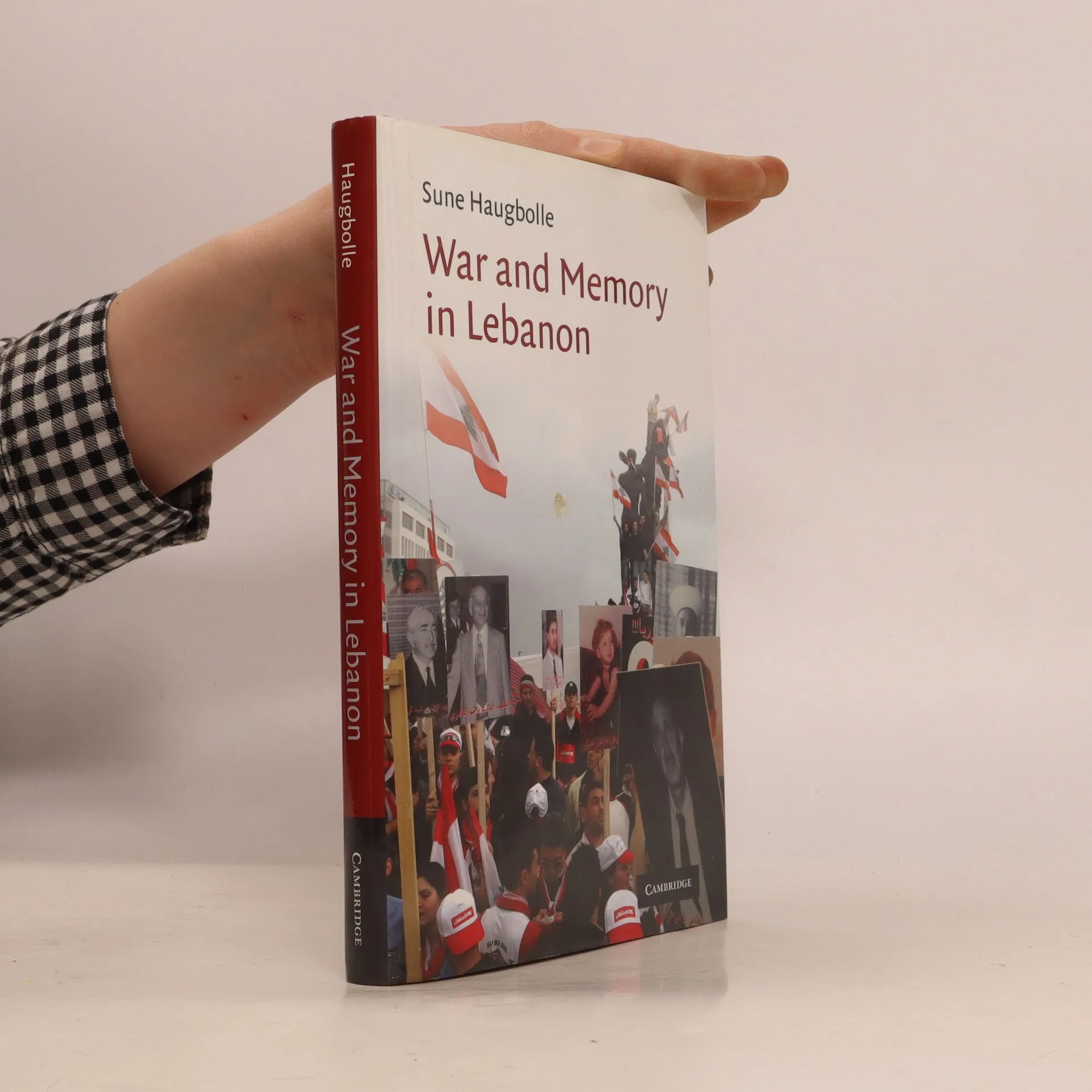
From 1975 to 1990, Lebanon endured one of the most protracted and bloody civil wars of the twentieth century. Sune Haugbolle’s timely and often poignant book chronicles the battle over ideas that emerged from the wreckage of that war. While the Lebanese state encouraged forgetfulness and political parties created sectarian interpretations of the war through cults of dead leaders, intellectuals and activists – inspired by the example of truth and reconciliation movements in different parts of the world – advanced the idea that confronting and remembering the war was necessary for political and cultural renewal. Through an analysis of different cultural productions – media, art, literature, film, posters, and architecture – the author shows how the recollection and reconstruction of political and sectarian violence that took place during the war have helped in Lebanon’s healing process. He also shows how a willingness to confront the past influenced the popular uprising in Lebanon after the assassination of Prime Minister Rafiq Hariri.
Zakup książki
War and Memory in Lebanon, Sune Haugbolle
- Język

- Rok wydania
- 2010
- Oprawa
- (twarda)
Metody płatności
Brakuje nam tutaj Twojej recenzji.
- Tytuł
- War and Memory in Lebanon
- Język
- angielski
- Autorzy
- Sune Haugbolle
- Wydawca
- Cambridge University Press
- Rok wydania
- 2010
- Oprawa
- twarda
- Liczba stron
- 260
- ISBN10
- 0521199026
- ISBN13
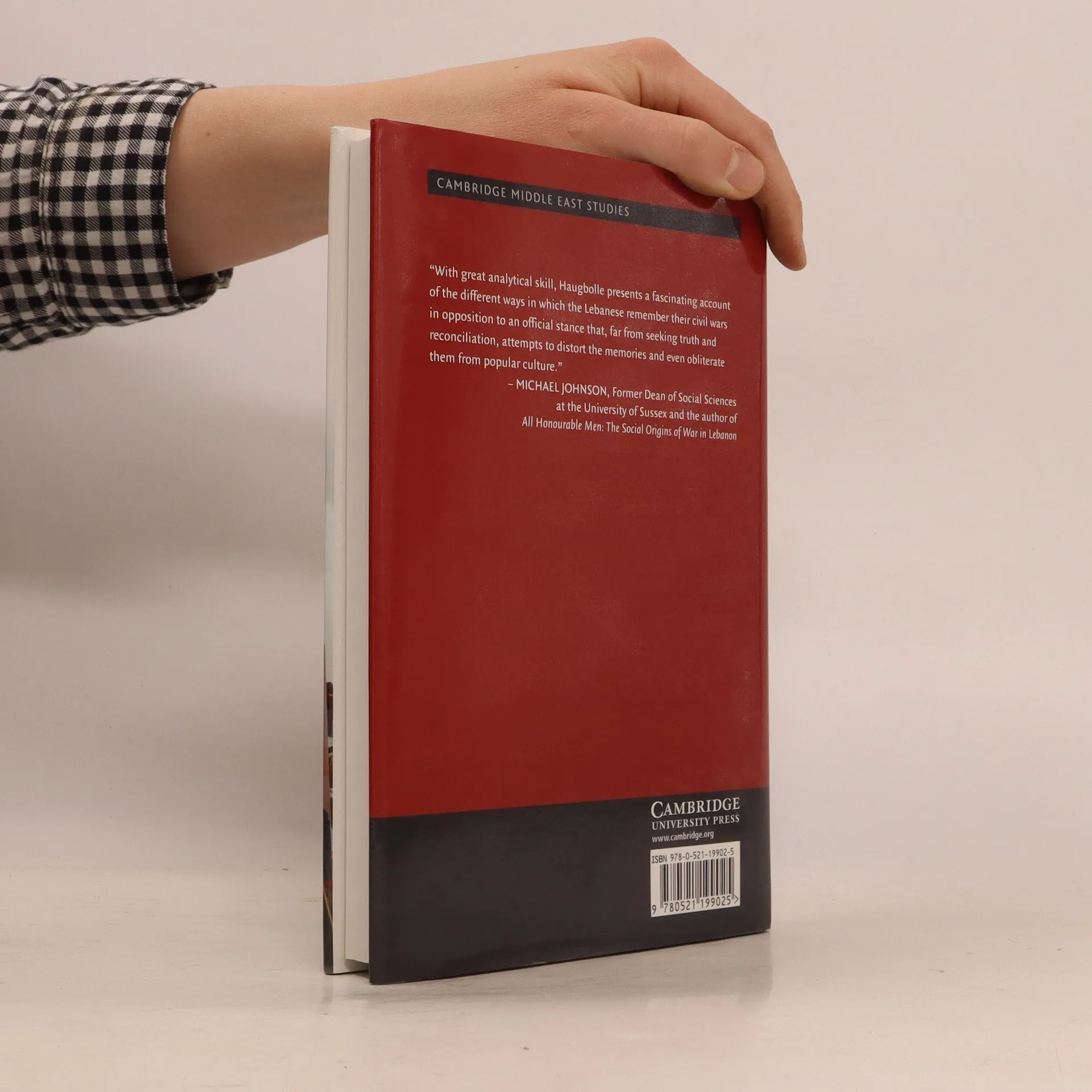
- 9780521199025
- Seria
- Tagi
- Tematy historyczne, Liban
- Ocena
- 4,1 z 5
- Opis
- From 1975 to 1990, Lebanon endured one of the most protracted and bloody civil wars of the twentieth century. Sune Haugbolle’s timely and often poignant book chronicles the battle over ideas that emerged from the wreckage of that war. While the Lebanese state encouraged forgetfulness and political parties created sectarian interpretations of the war through cults of dead leaders, intellectuals and activists – inspired by the example of truth and reconciliation movements in different parts of the world – advanced the idea that confronting and remembering the war was necessary for political and cultural renewal. Through an analysis of different cultural productions – media, art, literature, film, posters, and architecture – the author shows how the recollection and reconstruction of political and sectarian violence that took place during the war have helped in Lebanon’s healing process. He also shows how a willingness to confront the past influenced the popular uprising in Lebanon after the assassination of Prime Minister Rafiq Hariri.