

Więcej o książce
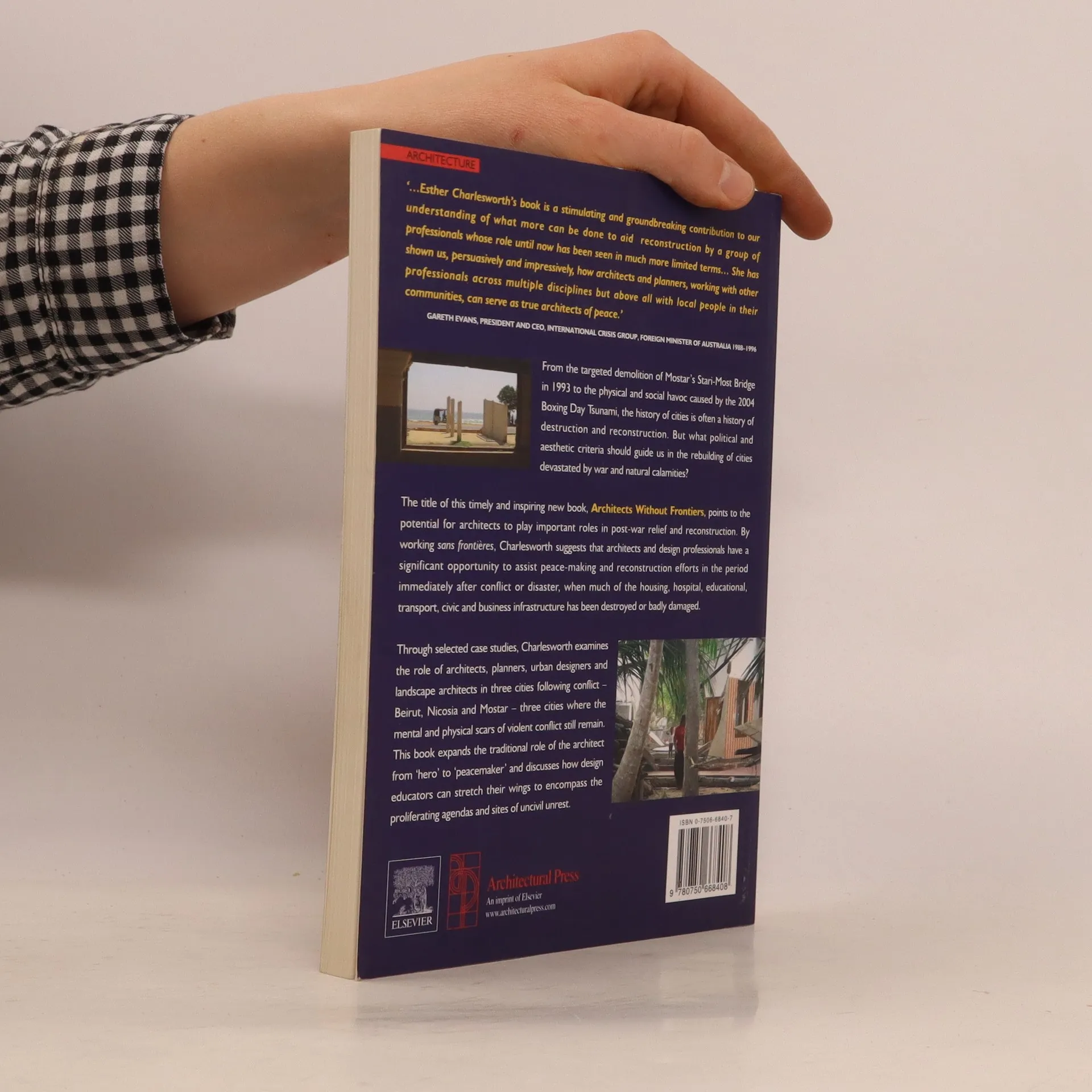
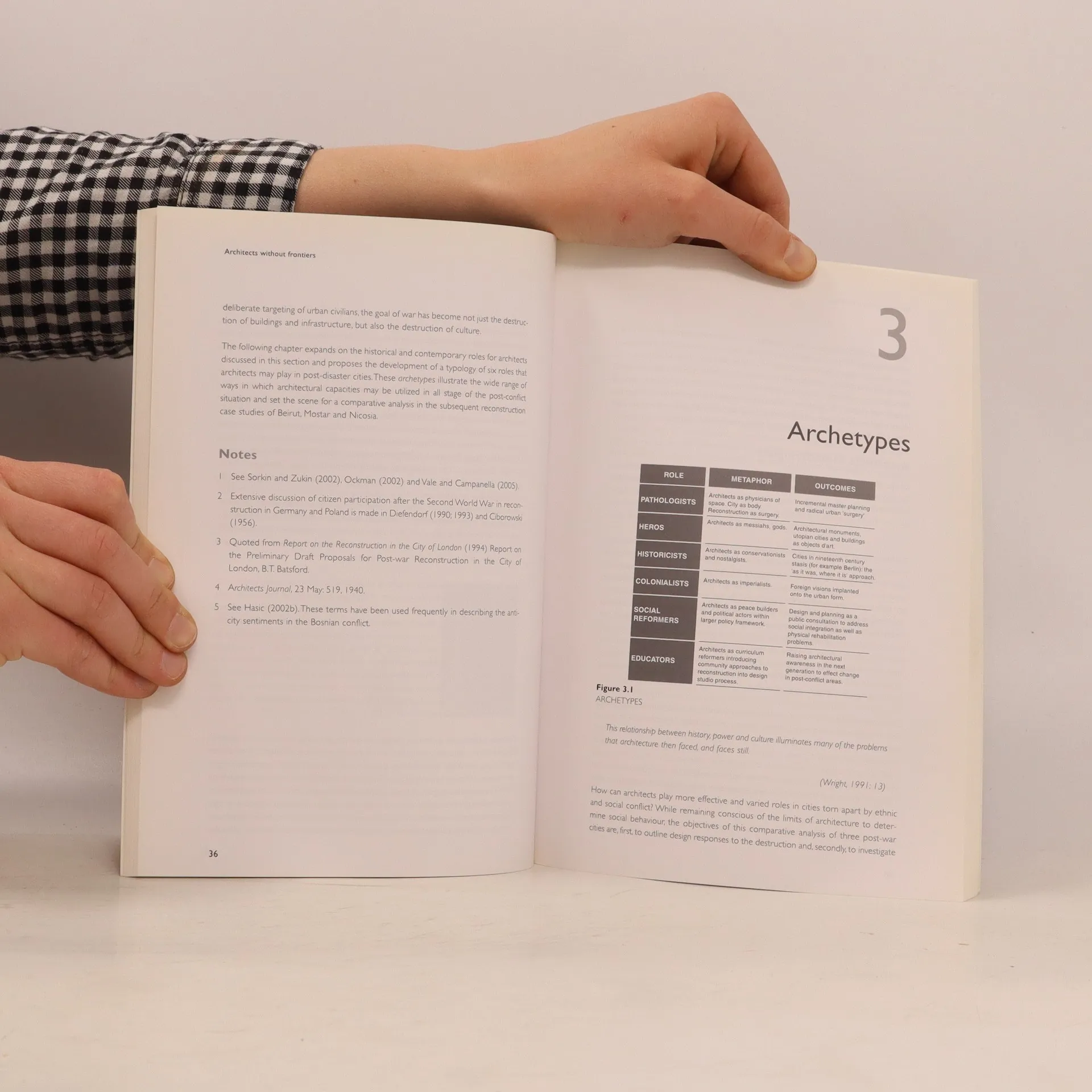
From the targeted demolition of Mostar’s Stari-Most Bridge in 1993 to the physical and social havoc caused by the 2004 Boxing Day Tsunami, the history of cities is often a history of destruction and reconstruction. But what political and aesthetic criteria should guide us in the rebuilding of cities devastated by war and natural calamities?The title of this timely and inspiring new book, Architects Without Frontiers, points to the potential for architects to play important roles in post-war relief and reconstruction. By working “sans frontières”, Charlesworth suggests that architects and design professionals have a significant opportunity to assist peace-making and reconstruction efforts in the period immediately after conflict or disaster, when much of the housing, hospital, educational, transport, civic and business infrastructure has been destroyed or badly damaged.Through selected case studies, Charlesworth examines the role of architects, planners, urban designers and landscape architects in three cities following conflict - Beirut, Nicosia and Mostar - three cities where the mental and physical scars of violent conflict still remain. This book expands the traditional role of the architect from 'hero' to 'peacemaker' and discusses how design educators can stretch their wings to encompass the proliferating agendas and sites of civil unrest.
Zakup książki
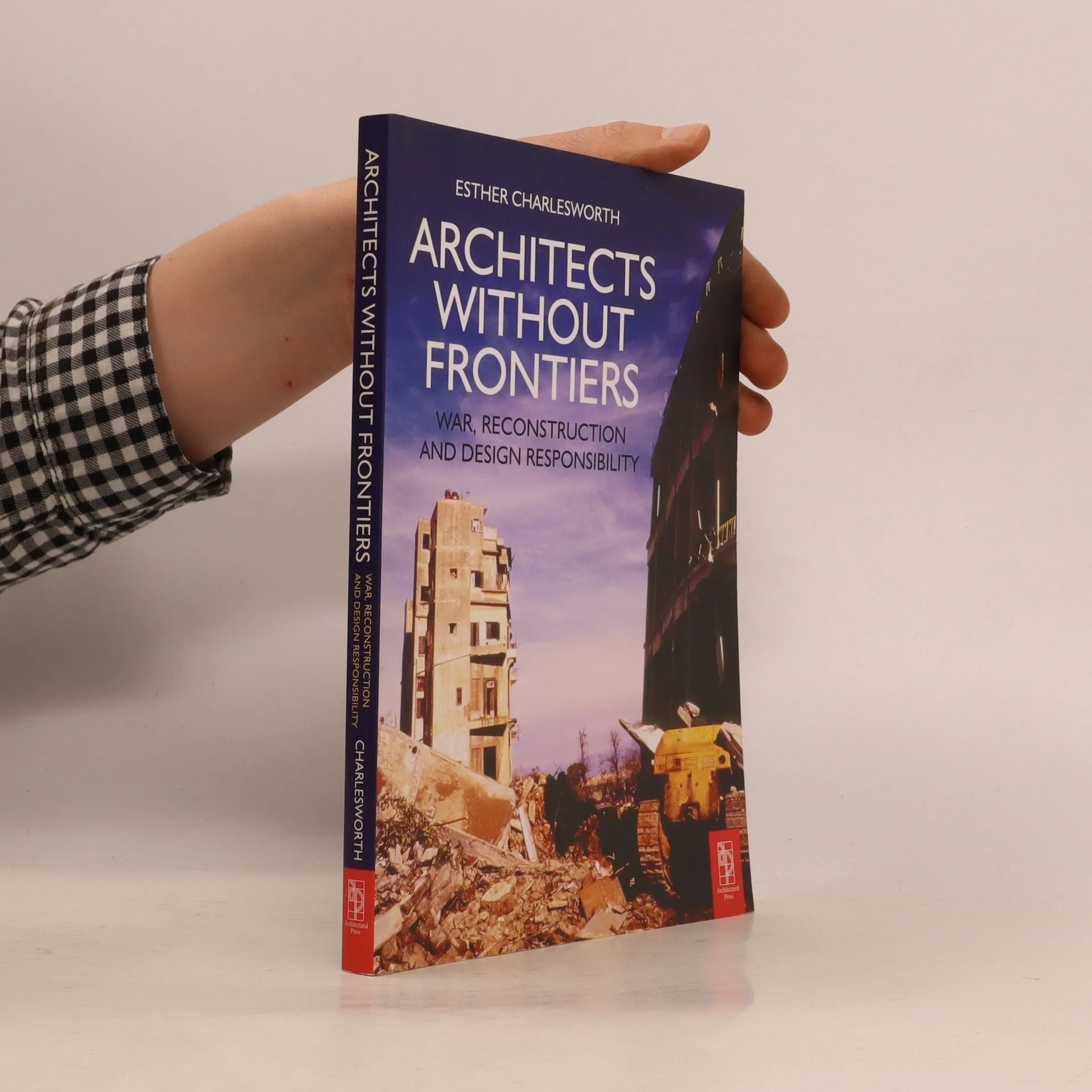
Architects Without Frontiers, Esther Ruth Charlesworth
- Język

- Rok wydania
- 2006
- Oprawa
- (miękka)
Metody płatności
Brakuje nam tutaj Twojej recenzji.
- Tytuł
- Architects Without Frontiers
- Język
- angielski
- Autorzy
- Esther Ruth Charlesworth
- Wydawca
- Routledge
- Rok wydania
- 2006
- Oprawa
- miękka
- Liczba stron
- 175
- ISBN10
- 0750668407
- ISBN13
- 9780750668408
- Seria
- Tagi
- Architektura, Case Studies
- Ocena
- 3,9 z 5
- Opis
- From the targeted demolition of Mostar’s Stari-Most Bridge in 1993 to the physical and social havoc caused by the 2004 Boxing Day Tsunami, the history of cities is often a history of destruction and reconstruction. But what political and aesthetic criteria should guide us in the rebuilding of cities devastated by war and natural calamities?The title of this timely and inspiring new book, Architects Without Frontiers, points to the potential for architects to play important roles in post-war relief and reconstruction. By working “sans frontières”, Charlesworth suggests that architects and design professionals have a significant opportunity to assist peace-making and reconstruction efforts in the period immediately after conflict or disaster, when much of the housing, hospital, educational, transport, civic and business infrastructure has been destroyed or badly damaged.Through selected case studies, Charlesworth examines the role of architects, planners, urban designers and landscape architects in three cities following conflict - Beirut, Nicosia and Mostar - three cities where the mental and physical scars of violent conflict still remain. This book expands the traditional role of the architect from 'hero' to 'peacemaker' and discusses how design educators can stretch their wings to encompass the proliferating agendas and sites of civil unrest.