


Więcej o książce
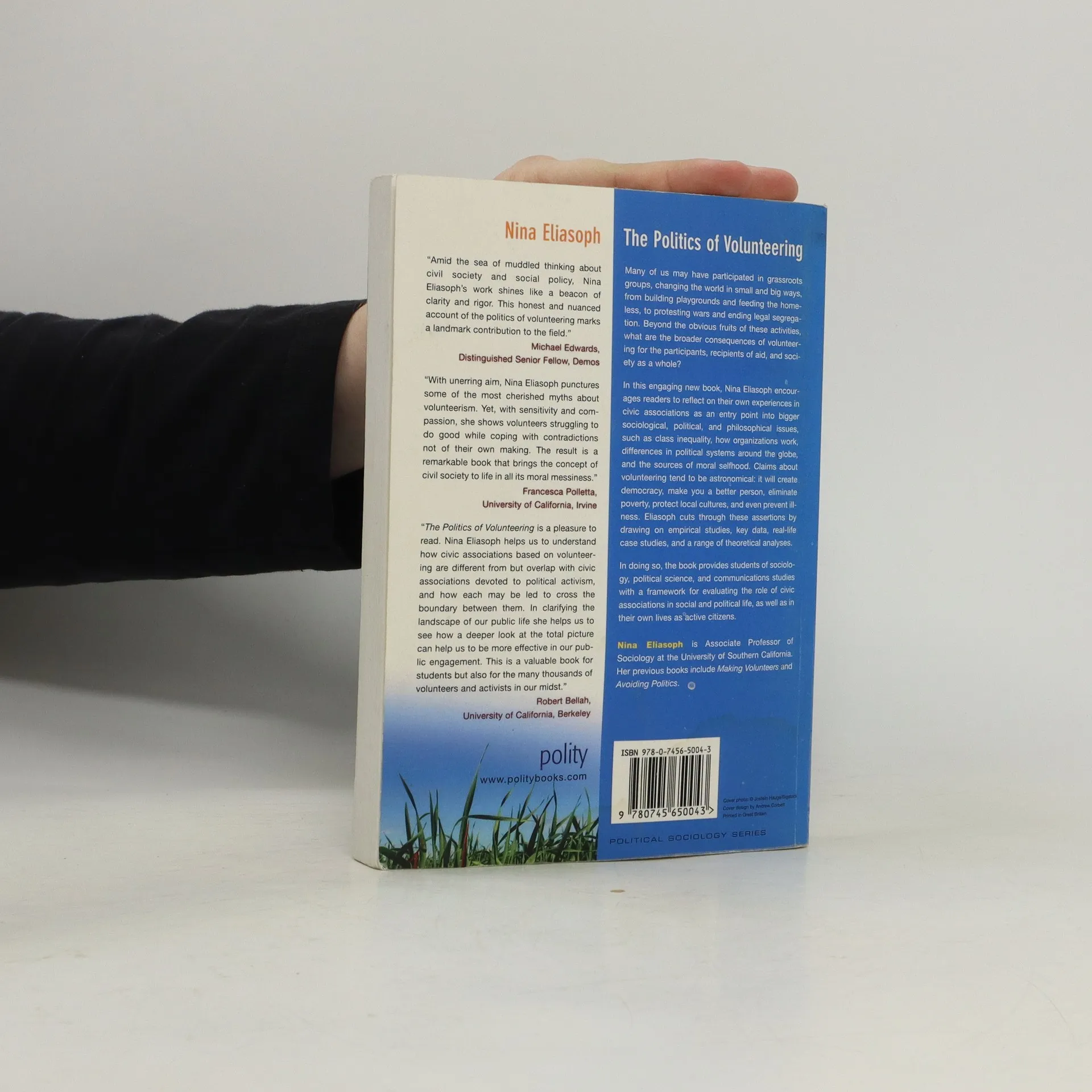
Many of us may have participated in grassroots groups, changing the world in small and big ways, from building playgrounds and feeding the homeless, to protesting wars and ending legal segregation. Beyond the obvious fruits of these activities, what are the broader consequences of volunteering for the participants, recipients of aid, and society as a whole? In this engaging new book, Nina Eliasoph encourages readers to reflect on their own experiences in civic associations as an entry point into bigger sociological, political, and philosophical issues, such as class inequality, how organizations work, differences in political systems around the globe, and the sources of moral selfhood. Claims about volunteering tend to be astronomical: it will create democracy, make you a better person, eliminate poverty, protect local cultures, and even prevent illness. Eliasoph cuts through these assertions by drawing on empirical studies, key data, real-life case studies, and a range of theoretical analyses. In doing so, the book provides students of sociology, political science, and communications studies with a framework for evaluating the role of civic associations in social and political life, as well as in their own lives as active citizens.
Zakup książki
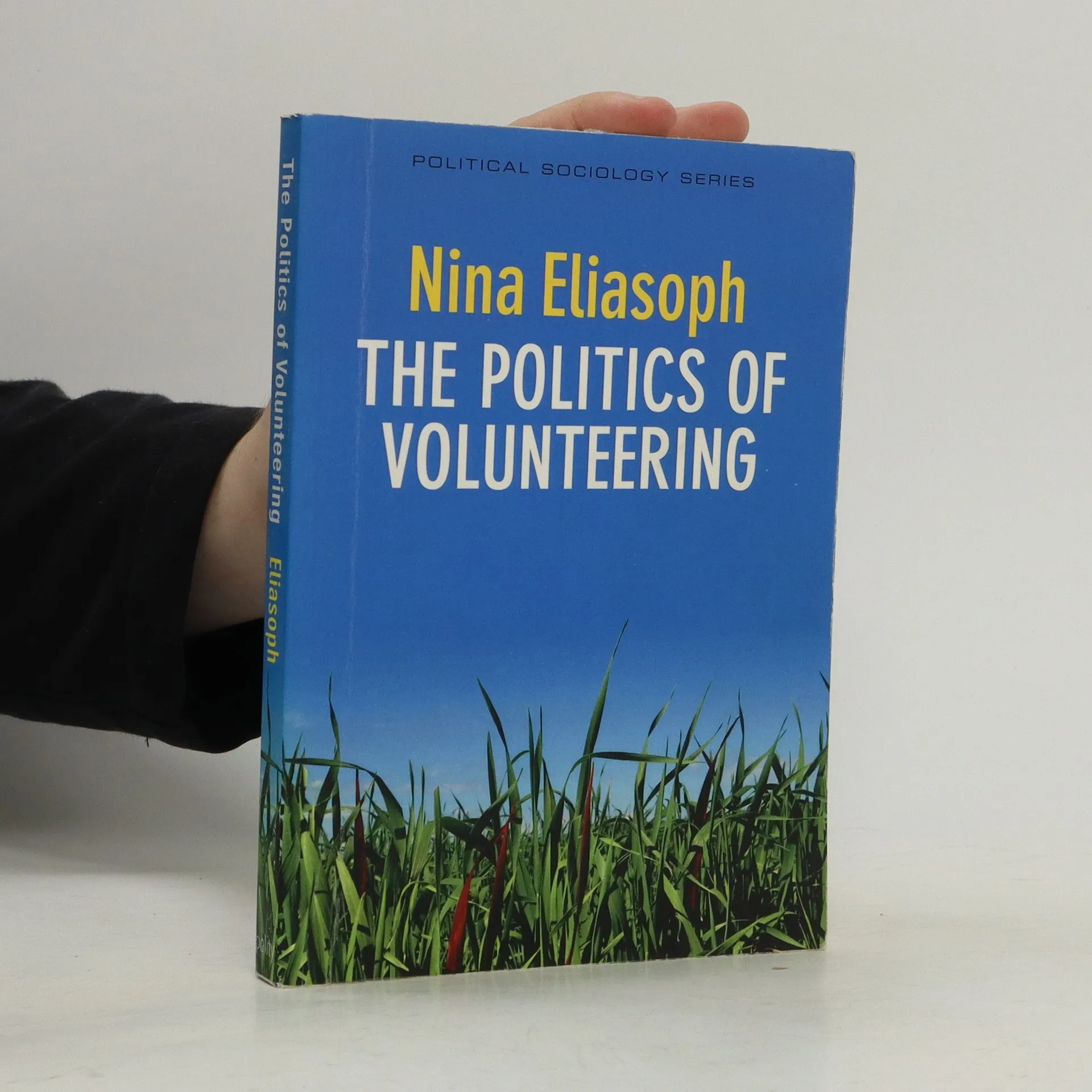
The Politics of Volunteering, Nina Eliasoph
- Język

- Rok wydania
- 2013
- Oprawa
- (miękka)
Metody płatności
Brakuje nam tutaj Twojej recenzji.
- Tytuł
- The Politics of Volunteering
- Język
- angielski
- Autorzy
- Nina Eliasoph
- Wydawca
- Polity
- Rok wydania
- 2013
- Oprawa
- miękka
- Liczba stron
- 200
- ISBN10
- 074565004X
- ISBN13
- 9780745650043
- Seria
- Tagi
- Polityka
- Ocena
- 3,55 z 5
- Opis
- Many of us may have participated in grassroots groups, changing the world in small and big ways, from building playgrounds and feeding the homeless, to protesting wars and ending legal segregation. Beyond the obvious fruits of these activities, what are the broader consequences of volunteering for the participants, recipients of aid, and society as a whole? In this engaging new book, Nina Eliasoph encourages readers to reflect on their own experiences in civic associations as an entry point into bigger sociological, political, and philosophical issues, such as class inequality, how organizations work, differences in political systems around the globe, and the sources of moral selfhood. Claims about volunteering tend to be astronomical: it will create democracy, make you a better person, eliminate poverty, protect local cultures, and even prevent illness. Eliasoph cuts through these assertions by drawing on empirical studies, key data, real-life case studies, and a range of theoretical analyses. In doing so, the book provides students of sociology, political science, and communications studies with a framework for evaluating the role of civic associations in social and political life, as well as in their own lives as active citizens.