

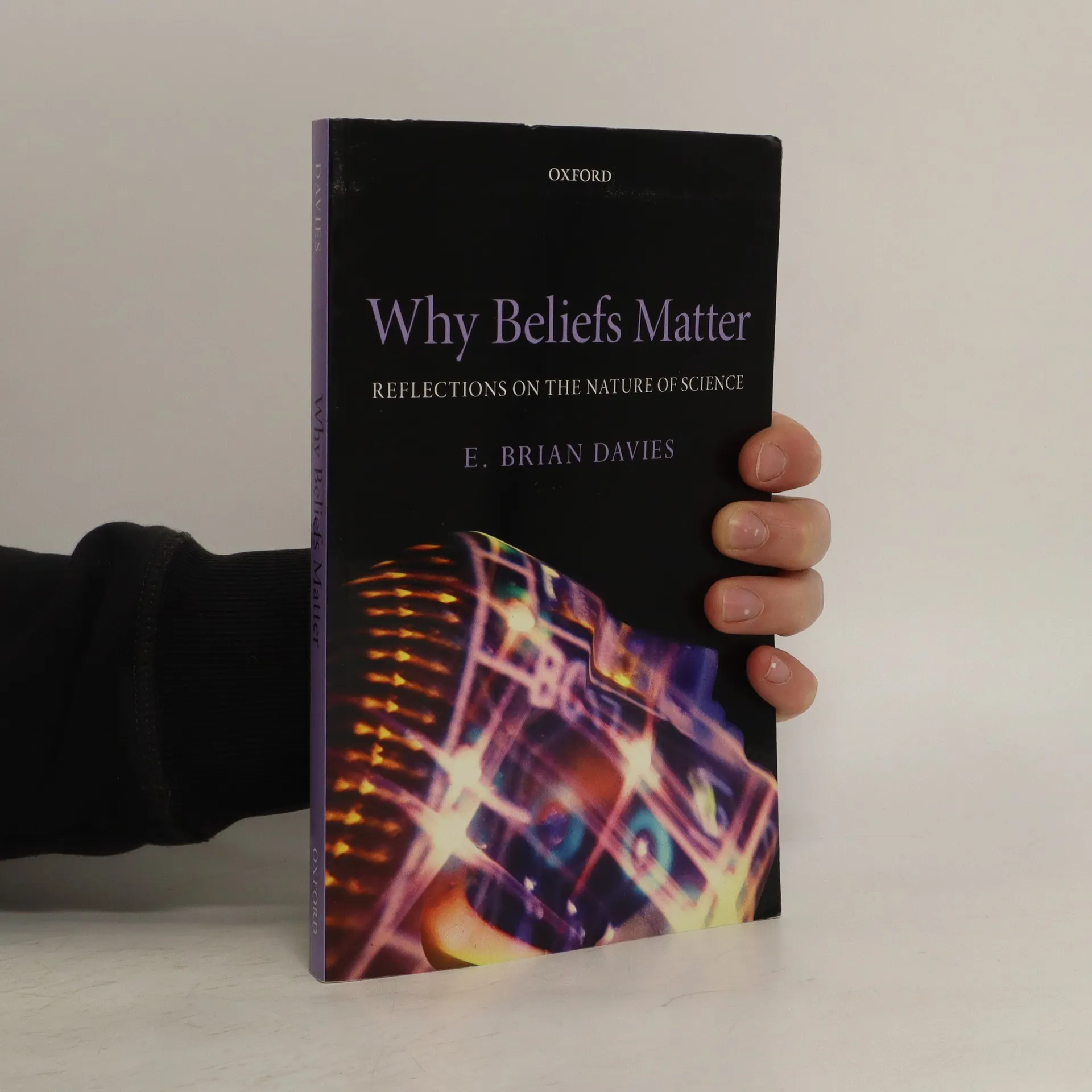

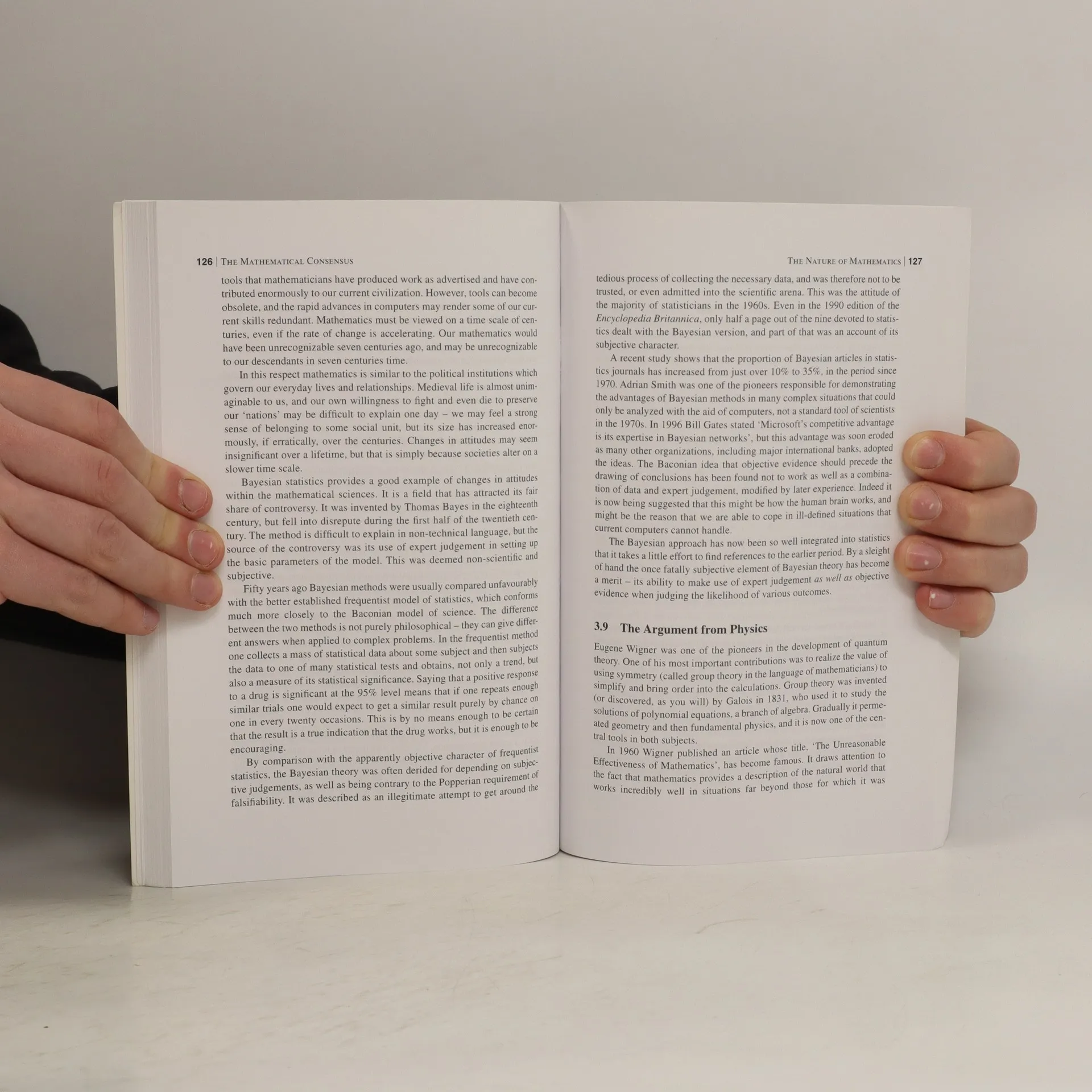
Więcej o książce
In the follow-up to his acclaimed Science in the Looking Glass, Brian Davies discusses deep problems about our place in the world, using a minimum of technical jargon. The book argues that "absolutist" ideas of the objectivity of science, dating back to Plato, continue to mislead generationsof both theoretical physicists and theologians. It explains that the multi-layered nature of our present descriptions of the world is unavoidable, not because of anything about the world, but because of our own human natures. It tries to rescue mathematics from the singular and exceptional statusthat it has been assigned, as much by those who understand it as by those who do not. Working throughout from direct quotations from many of the important contributors to its subject, it concludes with a penetrating criticism of many of the recent contributions to the often acrimonious debates aboutscience and religions.
Zakup książki
Why Beliefs Matter, E. Brian Davies
- Język

- Rok wydania
- 2014
- Oprawa
- (miękka)
Metody płatności
Brakuje nam tutaj Twojej recenzji.
- Tytuł
- Why Beliefs Matter
- Język
- angielski
- Autorzy
- E. Brian Davies
- Wydawca
- Oxford University Press
- Rok wydania
- 2014
- Oprawa
- miękka
- Liczba stron
- 250
- ISBN10
- 0198704992
- ISBN13
- 9780198704997
- Seria
- Kategorie
- Ocena
- 3,7 z 5
- Opis
- In the follow-up to his acclaimed Science in the Looking Glass, Brian Davies discusses deep problems about our place in the world, using a minimum of technical jargon. The book argues that "absolutist" ideas of the objectivity of science, dating back to Plato, continue to mislead generationsof both theoretical physicists and theologians. It explains that the multi-layered nature of our present descriptions of the world is unavoidable, not because of anything about the world, but because of our own human natures. It tries to rescue mathematics from the singular and exceptional statusthat it has been assigned, as much by those who understand it as by those who do not. Working throughout from direct quotations from many of the important contributors to its subject, it concludes with a penetrating criticism of many of the recent contributions to the often acrimonious debates aboutscience and religions.