

Więcej o książce
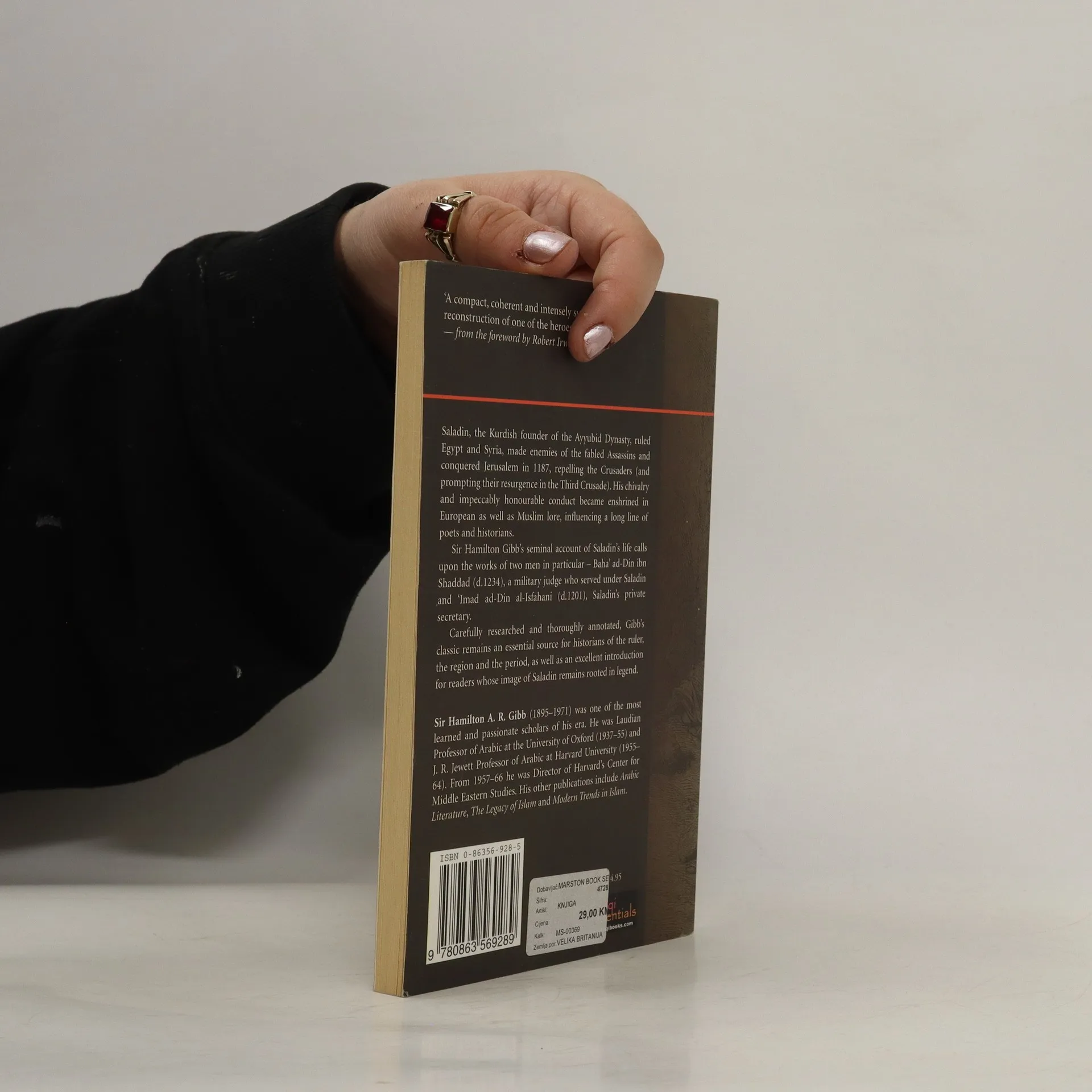
Saladin, the Kurdish founder of the Ayyubid Dynasty, ruled Egypt and Syria, made enemies of the fabled Assyrians and conquered Jerusalem in 1187, repelling the Crusaders (and prompting their resurgence in the Third Crusade). His chivalry and impeccably honourable conduct became enshrined in European as well as Muslim lore, influencing a long line of poets and historians.Sir Hamilton Gibb’s seminal account of Saladin’s life calls upon the works of two men in particular – Baha’ ad-Din ibn Shaddad (d.1234), a military judge who served under Saladin and ‘Imad ad-Din al-Isfahani (d.1201), Saladin’s private secretary.Carefully researched and thoroughly annotated, Gibb’s classic remains an essential source for historians of the ruler, the region and the period, as well as an excellent introduction for readers whose image of Saladin remains rooted in legend.Sir Hamilton A.R. Gibb (1895–1971) was one of the most learned and passionate scholars of his era. He was Laudian Professor of Arabic at the University of Oxford (1937–55) and J.R. Jewett Professor of Arabic at Harvard University (1955–64). From 1957–66 he was Director of Harvard’s Center for Middle Eastern Studies. His other publications include Arabic Literature, The Legacy of Islam and Modern Trends in Islam.
Zakup książki
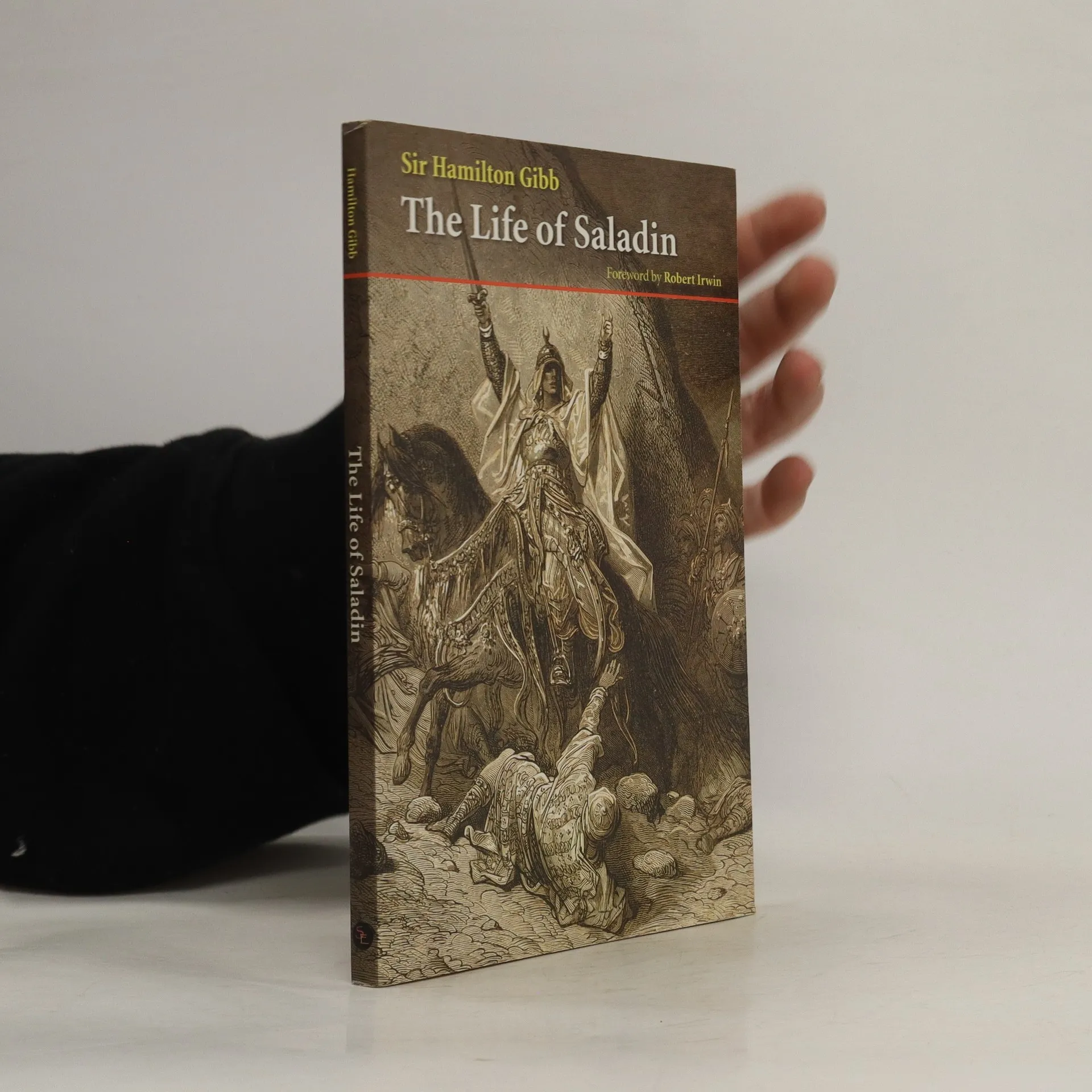
The Life of Saladin, Robert Irwin, Hamilton Alexander Rosskeen Gibb
- Język

- Rok wydania
- 2006
- Oprawa
- (miękka)
Metody płatności
Brakuje nam tutaj Twojej recenzji.
- Tytuł
- The Life of Saladin
- Język
- angielski
- Wydawca
- Saqi Books
- Rok wydania
- 2006
- Oprawa
- miękka
- Liczba stron
- 96
- ISBN10
- 0863569285
- ISBN13
- 9780863569289
- Seria
- Ocena
- 3,9 z 5
- Opis
- Saladin, the Kurdish founder of the Ayyubid Dynasty, ruled Egypt and Syria, made enemies of the fabled Assyrians and conquered Jerusalem in 1187, repelling the Crusaders (and prompting their resurgence in the Third Crusade). His chivalry and impeccably honourable conduct became enshrined in European as well as Muslim lore, influencing a long line of poets and historians.Sir Hamilton Gibb’s seminal account of Saladin’s life calls upon the works of two men in particular – Baha’ ad-Din ibn Shaddad (d.1234), a military judge who served under Saladin and ‘Imad ad-Din al-Isfahani (d.1201), Saladin’s private secretary.Carefully researched and thoroughly annotated, Gibb’s classic remains an essential source for historians of the ruler, the region and the period, as well as an excellent introduction for readers whose image of Saladin remains rooted in legend.Sir Hamilton A.R. Gibb (1895–1971) was one of the most learned and passionate scholars of his era. He was Laudian Professor of Arabic at the University of Oxford (1937–55) and J.R. Jewett Professor of Arabic at Harvard University (1955–64). From 1957–66 he was Director of Harvard’s Center for Middle Eastern Studies. His other publications include Arabic Literature, The Legacy of Islam and Modern Trends in Islam.