


Więcej o książce
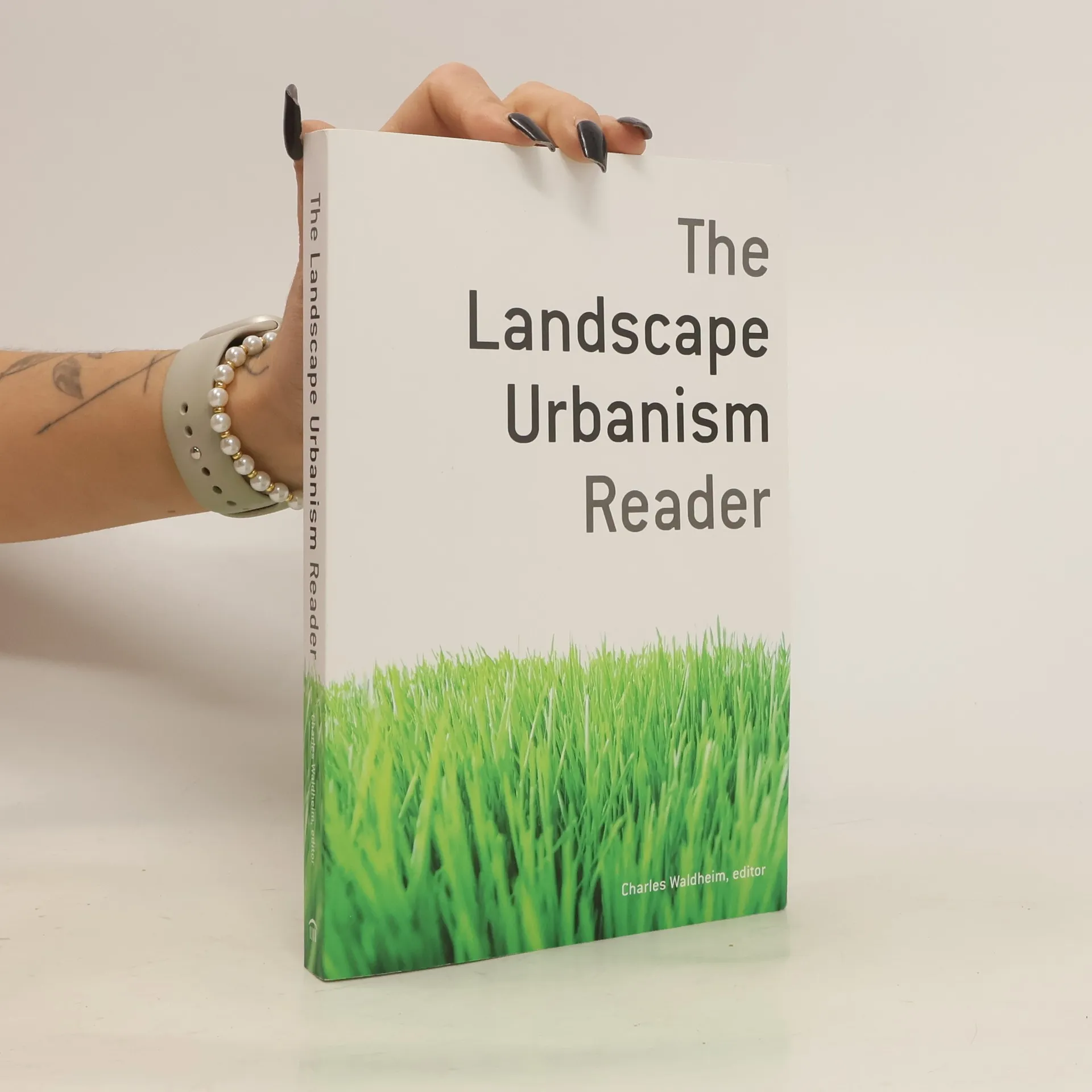
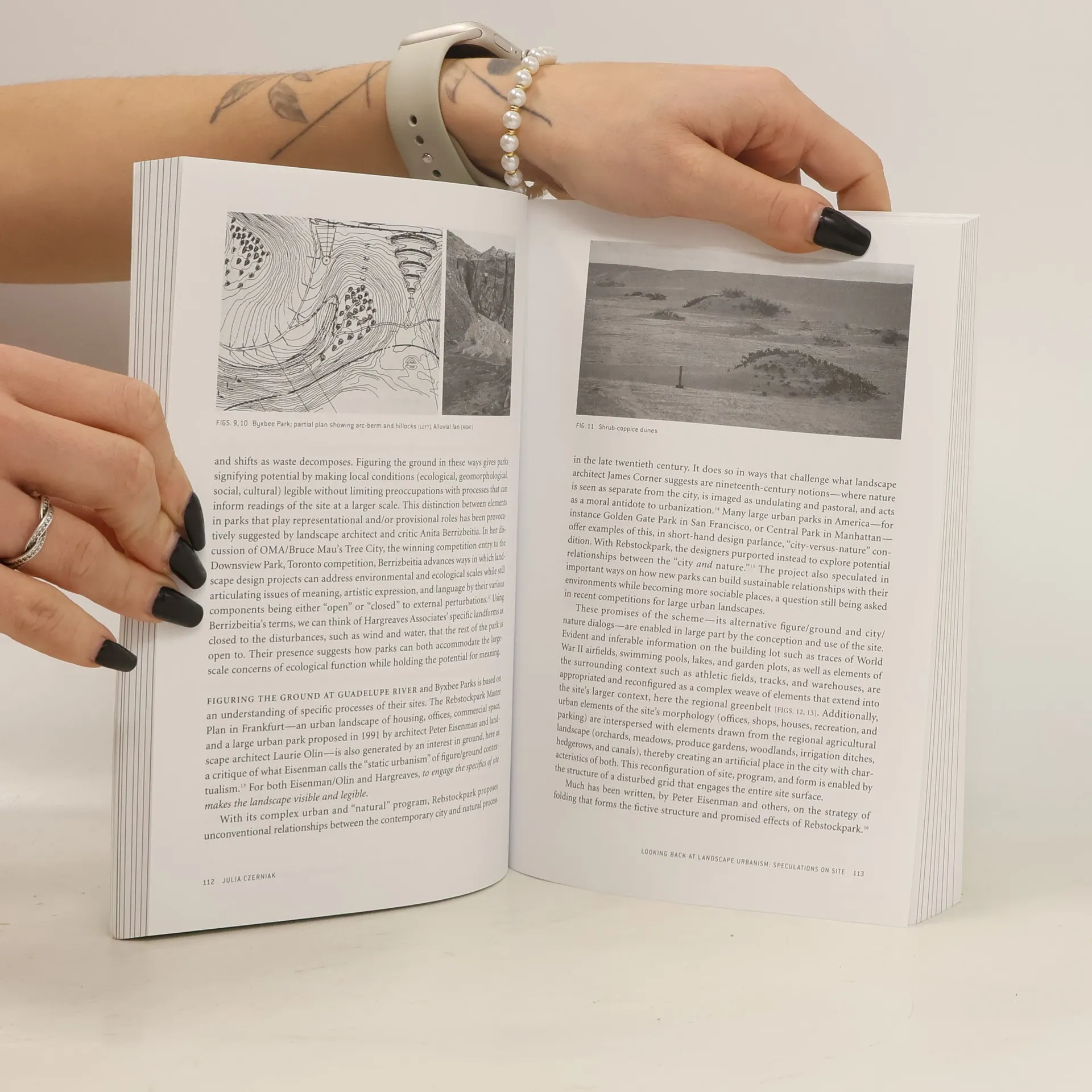
With populations decentralizing and cities sprawling ever-outward, twenty-first-century urban planners are challenged by the need to organize not just people but space itself. Hence a new architectural discourse has landscape urbanism. In The Landscape Urbanism Reader Charles Waldheim who is at the forefront of this new movement has assembled the definitive collection of essays by many of the field's top practitioners. Fourteen essays written by leading figures across a range of disciplines and from around the world including James Corner, Linda Pollak, Alan Berger, Pierre B langer, Julia Czerniak, and more capture the origins, the contemporary milieu, and the aspirations of this relatively new field. The Landscape Urbanism Reader is an inspiring signal to the future of city making as well as an indispensable reference for students, teachers, architects, and urban planners.
Zakup książki
The Landscape Urbanism Reader, Charles Waldheim
- Język

- Rok wydania
- 2006
- Oprawa
- (miękka)
Metody płatności
Brakuje nam tutaj Twojej recenzji.
- Tytuł
- The Landscape Urbanism Reader
- Język
- angielski
- Autorzy
- Charles Waldheim
- Rok wydania
- 2006
- Oprawa
- miękka
- Liczba stron
- 295
- ISBN10
- 1568984391
- ISBN13
- 9781568984391
- Seria
- Ocena
- 3,8 z 5
- Opis
- With populations decentralizing and cities sprawling ever-outward, twenty-first-century urban planners are challenged by the need to organize not just people but space itself. Hence a new architectural discourse has landscape urbanism. In The Landscape Urbanism Reader Charles Waldheim who is at the forefront of this new movement has assembled the definitive collection of essays by many of the field's top practitioners. Fourteen essays written by leading figures across a range of disciplines and from around the world including James Corner, Linda Pollak, Alan Berger, Pierre B langer, Julia Czerniak, and more capture the origins, the contemporary milieu, and the aspirations of this relatively new field. The Landscape Urbanism Reader is an inspiring signal to the future of city making as well as an indispensable reference for students, teachers, architects, and urban planners.