


Więcej o książce
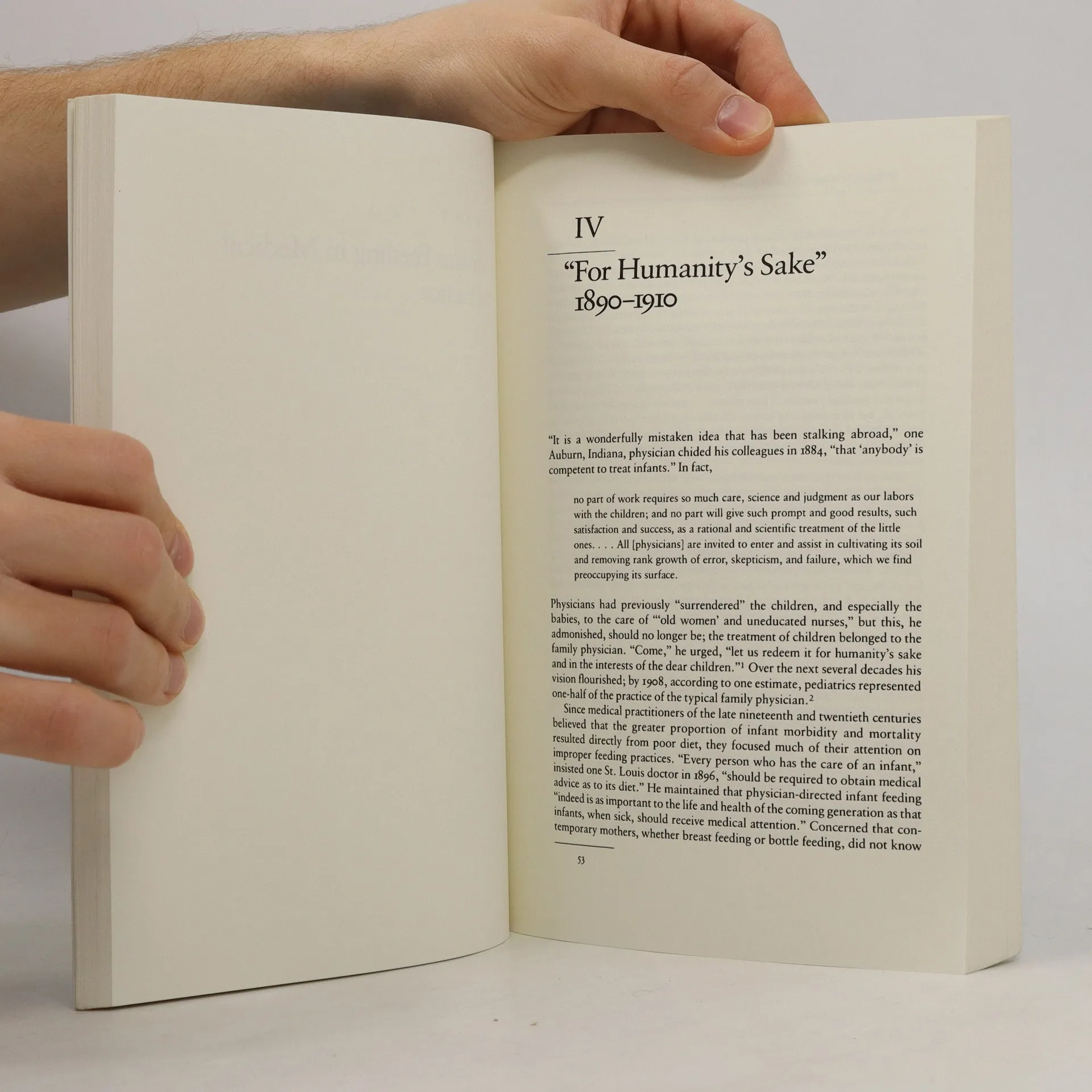
In the nineteenth century, breastfeeding was the norm for infants, but by the mid-twentieth century, bottle-feeding became prevalent, influenced by medical advice. Rima D. Apple explores the intricate interplay of science, medicine, economics, and culture that prompted this significant change in infant care and women's roles. As infant feeding emerged as a cornerstone of pediatrics, the infant food industry flourished, leading to an increase in mothers reporting difficulties with nursing. Physicians, alongside scientific experts and the infant-food industry, promoted “scientific motherhood,” which encouraged mothers to believe that science could enhance child-rearing practices. This commercialization and medicalization of infant care transformed bottle feeding into a practice perceived as “natural” and “necessary.” By examining the history of infant feeding, the book highlights the complex and often contradictory dynamics between women and the medical profession, shedding light on the evolving roles of mothers and physicians in American society. The author effectively illustrates how the interests of mothers, doctors, and manufacturers converged to reshape infant feeding practices, providing valuable insights for historians of science regarding the connections between medical theories and their practical applications.
Zakup książki
Mothers and Medicine, Rima D. Apple
- Język

- Rok wydania
- 1987
- Oprawa
- (miękka)
Metody płatności
Brakuje nam tutaj Twojej recenzji.
- Tytuł
- Mothers and Medicine
- Język
- angielski
- Autorzy
- Rima D. Apple
- Rok wydania
- 1987
- Oprawa
- miękka
- Liczba stron
- 280
- ISBN10
- 0299114848
- ISBN13
- 9780299114848
- Seria
- Ocena
- 4,2 z 5
- Opis
- In the nineteenth century, breastfeeding was the norm for infants, but by the mid-twentieth century, bottle-feeding became prevalent, influenced by medical advice. Rima D. Apple explores the intricate interplay of science, medicine, economics, and culture that prompted this significant change in infant care and women's roles. As infant feeding emerged as a cornerstone of pediatrics, the infant food industry flourished, leading to an increase in mothers reporting difficulties with nursing. Physicians, alongside scientific experts and the infant-food industry, promoted “scientific motherhood,” which encouraged mothers to believe that science could enhance child-rearing practices. This commercialization and medicalization of infant care transformed bottle feeding into a practice perceived as “natural” and “necessary.” By examining the history of infant feeding, the book highlights the complex and often contradictory dynamics between women and the medical profession, shedding light on the evolving roles of mothers and physicians in American society. The author effectively illustrates how the interests of mothers, doctors, and manufacturers converged to reshape infant feeding practices, providing valuable insights for historians of science regarding the connections between medical theories and their practical applications.