


Ocena książki
Więcej o książce
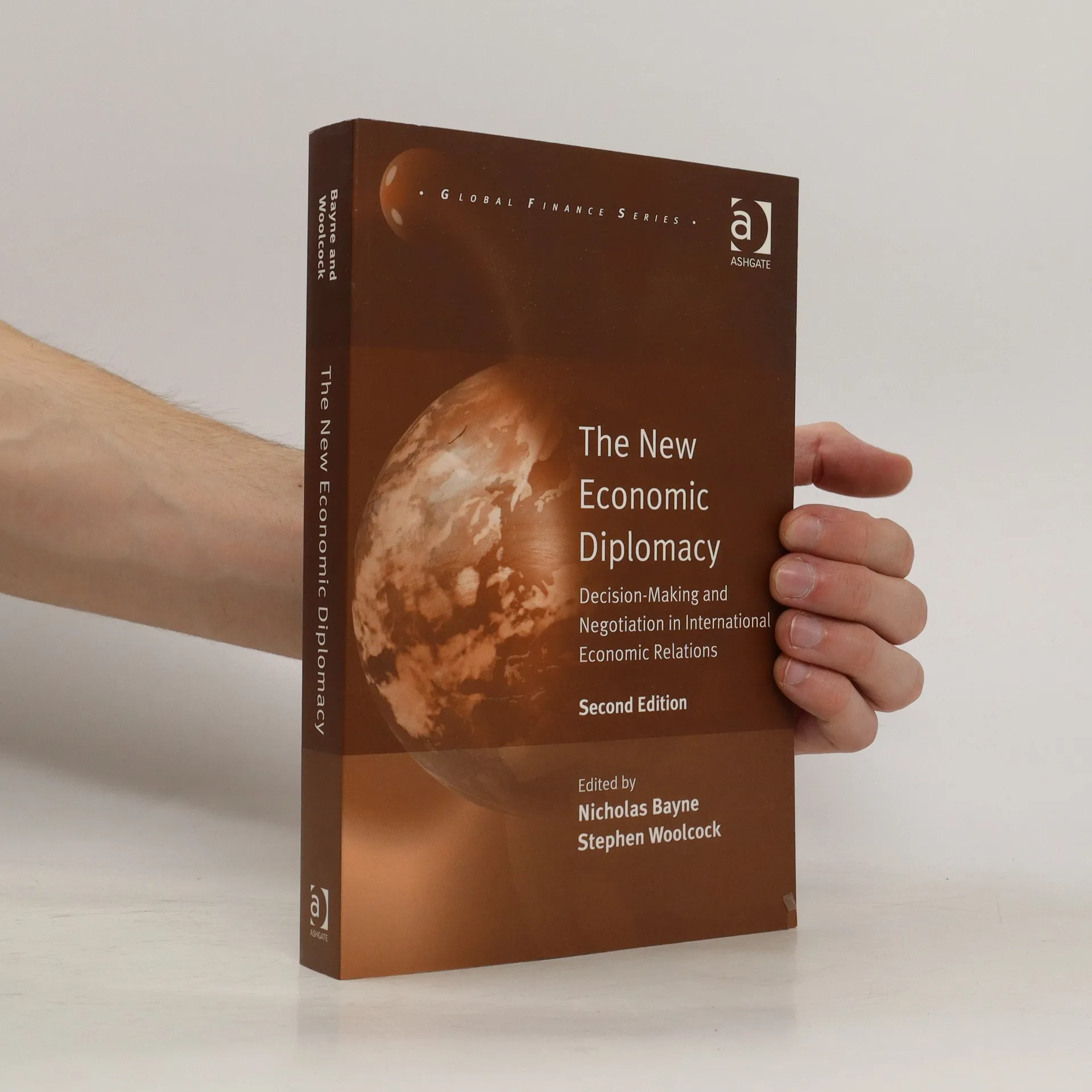
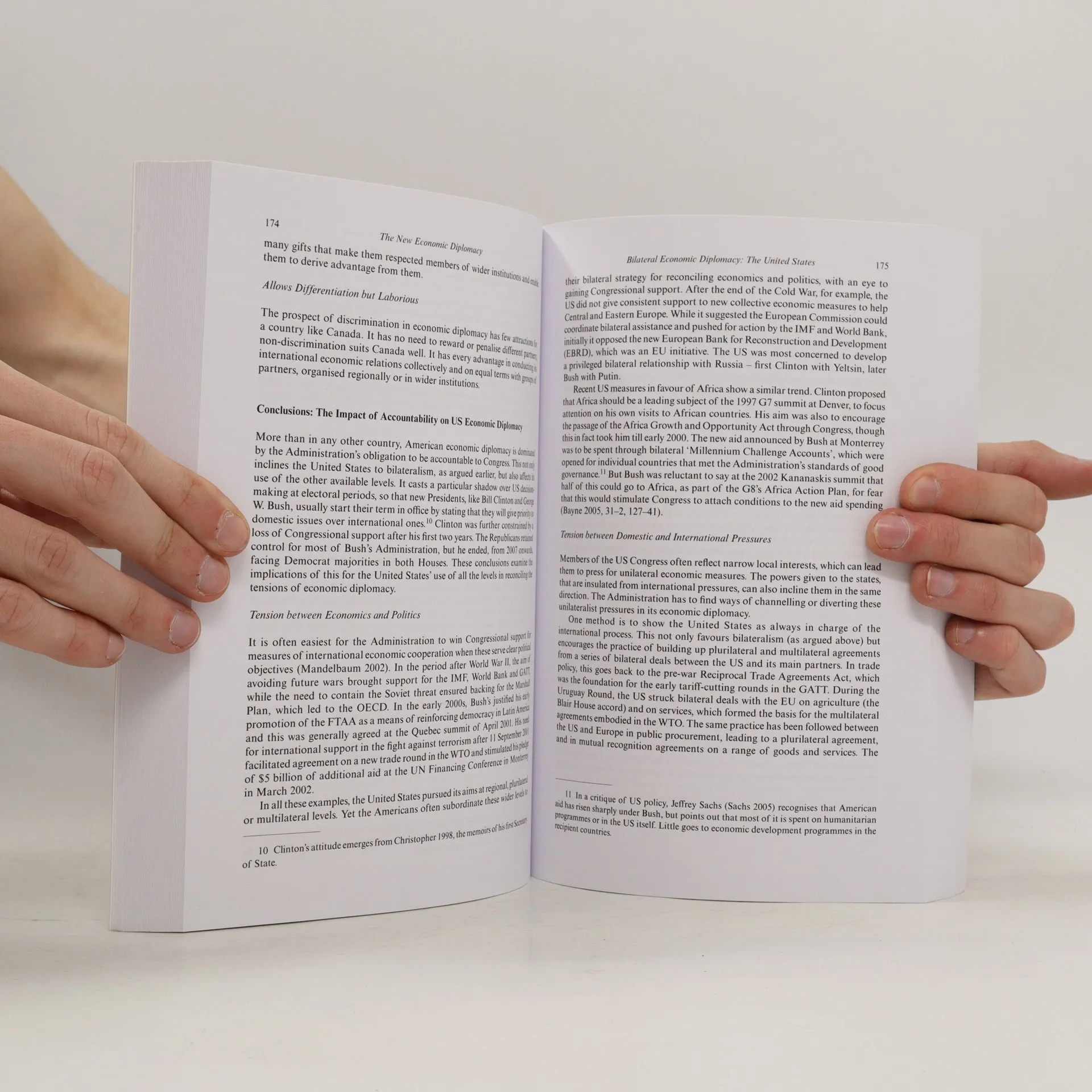
The New Economic Diplomacy explains how states conduct their external economic relations in the 21st century: how they make decisions domestically; how they negotiate internationally; and how these processes interact. It documents the transformation of economic diplomacy in the 1990s and early 2000s in response to the end of the Cold War, the advance of globalisation and the growing influence of non-state actors like private business and civil society. Fully updated, the second edition reflects the impact of the campaign against terrorism, the war in Iraq and the rise of major developing countries like China and India.Based on the authors' own work in the field of international political economy, it is suitable for students interested in the decision making processes in foreign economic policy including those studying International Relations, Government, Politics and Economics but will also appeal to politicians, bureaucrats, business people, NGO activists, journalists and the informed public.
Zakup książki
The New Economic Diplomacy. Decision Making and Negotiation in International Economic Relations, Nicholas Bayne, Stephen Woolcock
- Język

- Rok wydania
- 2007
- Oprawa
- (miękka)
Metody płatności
Brakuje nam tutaj Twojej recenzji.
- Tytuł
- The New Economic Diplomacy. Decision Making and Negotiation in International Economic Relations
- Język
- angielski
- Autorzy
- Nicholas Bayne, Stephen Woolcock
- Wydawca
- Ashgate
- Rok wydania
- 2007
- Oprawa
- miękka
- Liczba stron
- 412
- ISBN10
- 0754670481
- ISBN13
- 9780754670483
- Seria
- Kategorie
- Tagi
- Podręczniki
- Ocena
- 4,35 z 5
- Opis
- The New Economic Diplomacy explains how states conduct their external economic relations in the 21st century: how they make decisions domestically; how they negotiate internationally; and how these processes interact. It documents the transformation of economic diplomacy in the 1990s and early 2000s in response to the end of the Cold War, the advance of globalisation and the growing influence of non-state actors like private business and civil society. Fully updated, the second edition reflects the impact of the campaign against terrorism, the war in Iraq and the rise of major developing countries like China and India.Based on the authors' own work in the field of international political economy, it is suitable for students interested in the decision making processes in foreign economic policy including those studying International Relations, Government, Politics and Economics but will also appeal to politicians, bureaucrats, business people, NGO activists, journalists and the informed public.