


Parametry
- 288 stron
- 11 godzin czytania
Więcej o książce
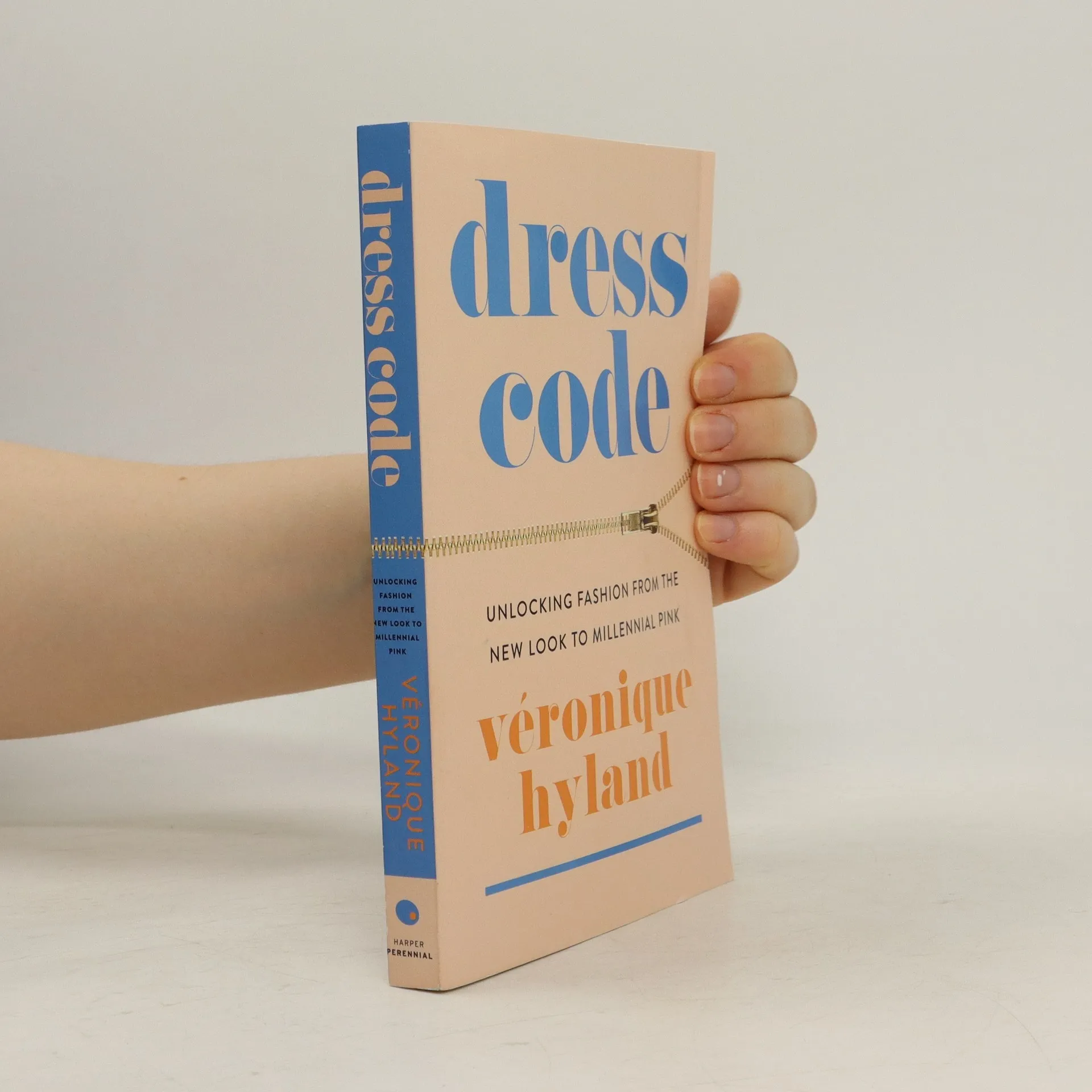
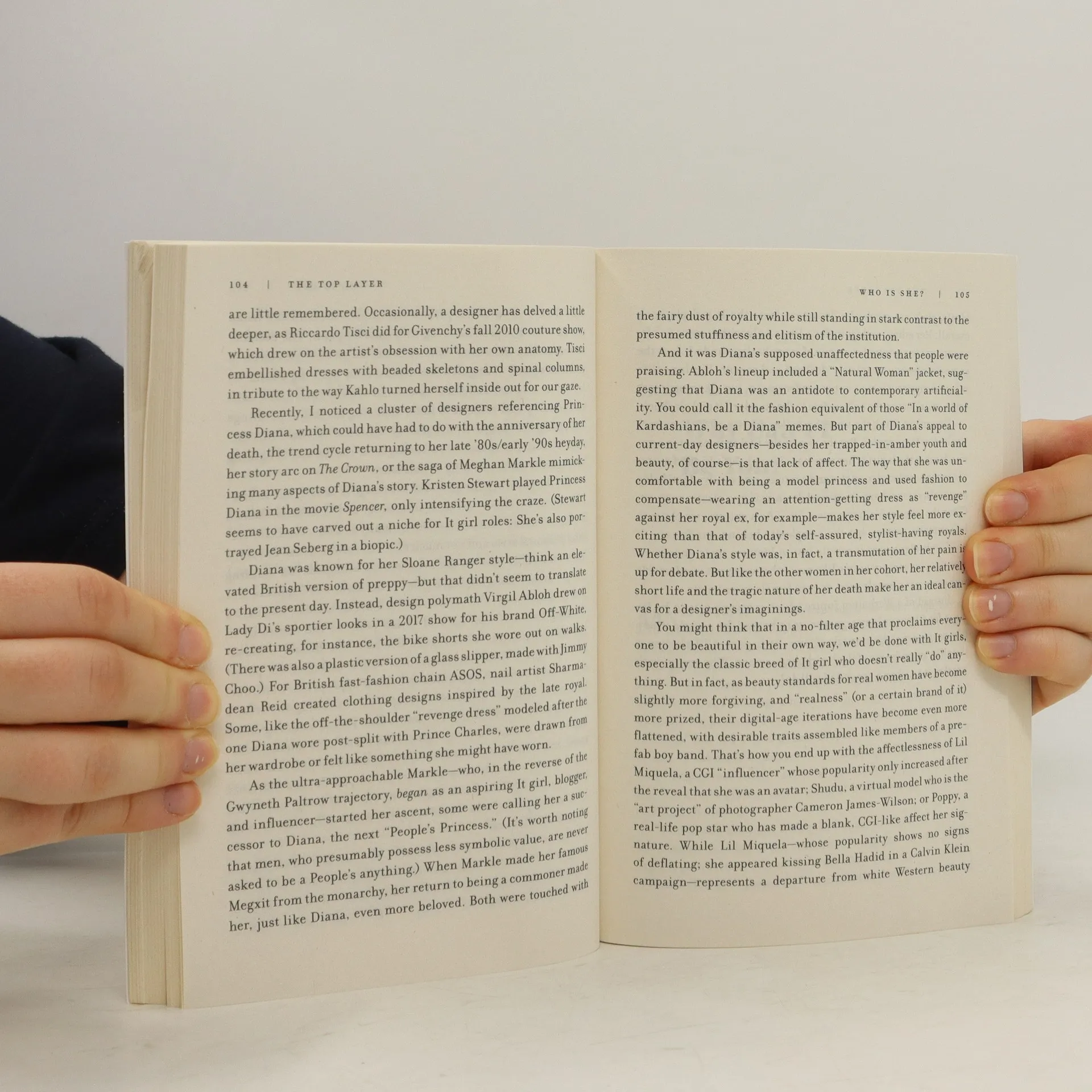
In the spirit of Jia Tolentino and Anne Helen Peterson, this incisive essay collection delves into the fashion industry—its history, significance, and the reasons behind our clothing choices. Fashion holds immense power; how we dress reveals insights into class and social affiliations. This collection critiques the institutions within fashion while emphasizing the importance of dress in self-presentation. It traces societal changes, women's rights progress, and the motivations behind our clothing choices. Veronique Hyland poses thought-provoking questions: Why does the "French girl" remain a lasting archetype? What does "dressing for yourself" mean for women? How should female politicians dress? Will gendered fashion ever fade? How has social media influenced our self-presentation? Unlike other art forms, fashion is inescapable, yet it is often dismissed as trivial, with only high couture regarded as art. Hyland argues that fashion unlocks discussions of power, sexuality, and class, connects to history, and communicates messages to the world. Clothing carries meaning, even if it’s as simple as jeans and a T-shirt.
Zakup książki
Dress Code, Veronique Hyland
- Język

- Rok wydania
- 2022
- Oprawa
- (miękka)
Metody płatności
Brakuje nam tutaj Twojej recenzji.
- Tytuł
- Dress Code
- Język
- angielski
- Autorzy
- Veronique Hyland
- Wydawca
- Harper Perennial
- Rok wydania
- 2022
- Oprawa
- miękka
- Liczba stron
- 288
- ISBN10
- 0063050838
- ISBN13
- 9780063050839
- Seria
- Kategorie
- Ocena
- 3,9 z 5
- Opis
- In the spirit of Jia Tolentino and Anne Helen Peterson, this incisive essay collection delves into the fashion industry—its history, significance, and the reasons behind our clothing choices. Fashion holds immense power; how we dress reveals insights into class and social affiliations. This collection critiques the institutions within fashion while emphasizing the importance of dress in self-presentation. It traces societal changes, women's rights progress, and the motivations behind our clothing choices. Veronique Hyland poses thought-provoking questions: Why does the "French girl" remain a lasting archetype? What does "dressing for yourself" mean for women? How should female politicians dress? Will gendered fashion ever fade? How has social media influenced our self-presentation? Unlike other art forms, fashion is inescapable, yet it is often dismissed as trivial, with only high couture regarded as art. Hyland argues that fashion unlocks discussions of power, sexuality, and class, connects to history, and communicates messages to the world. Clothing carries meaning, even if it’s as simple as jeans and a T-shirt.