

Więcej o książce
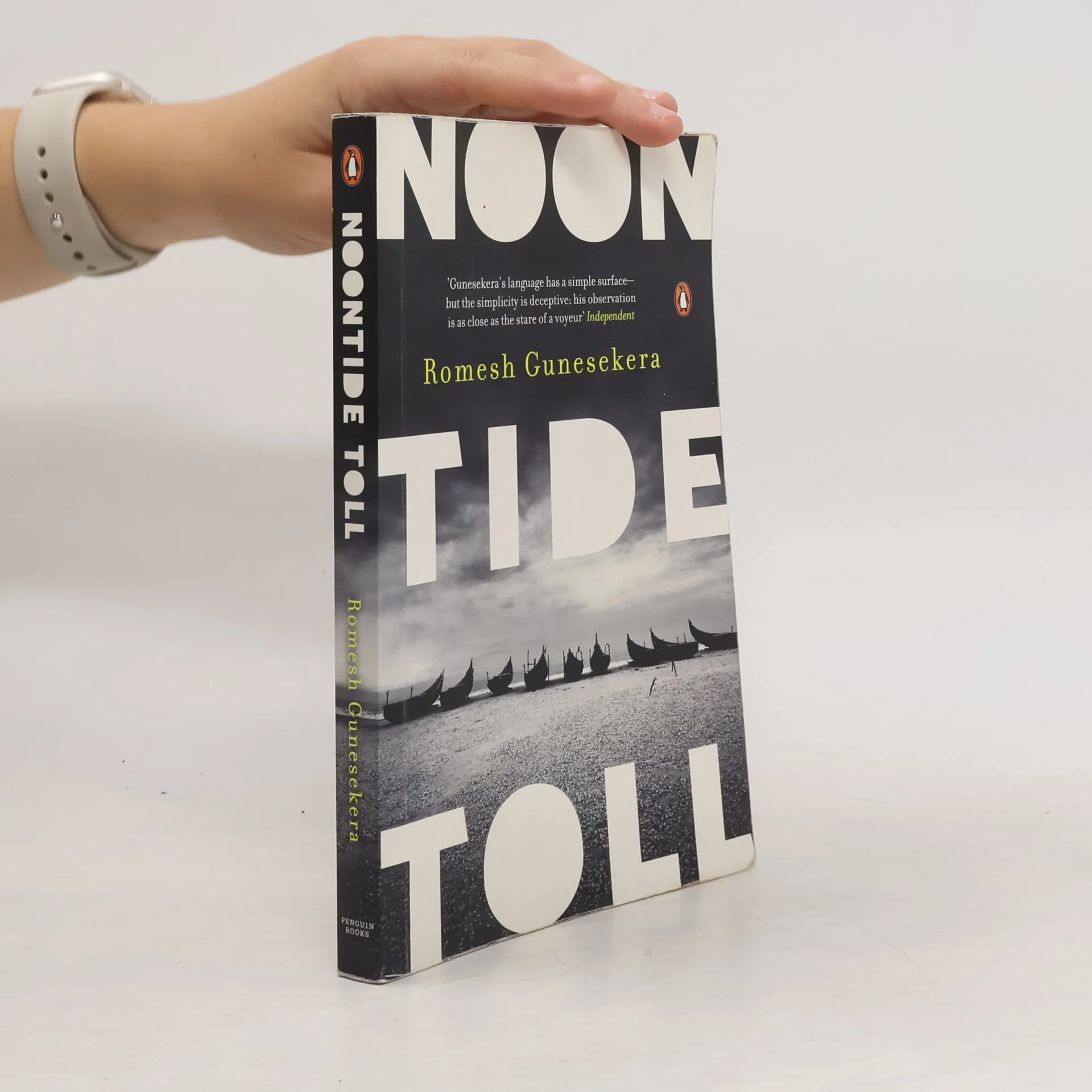
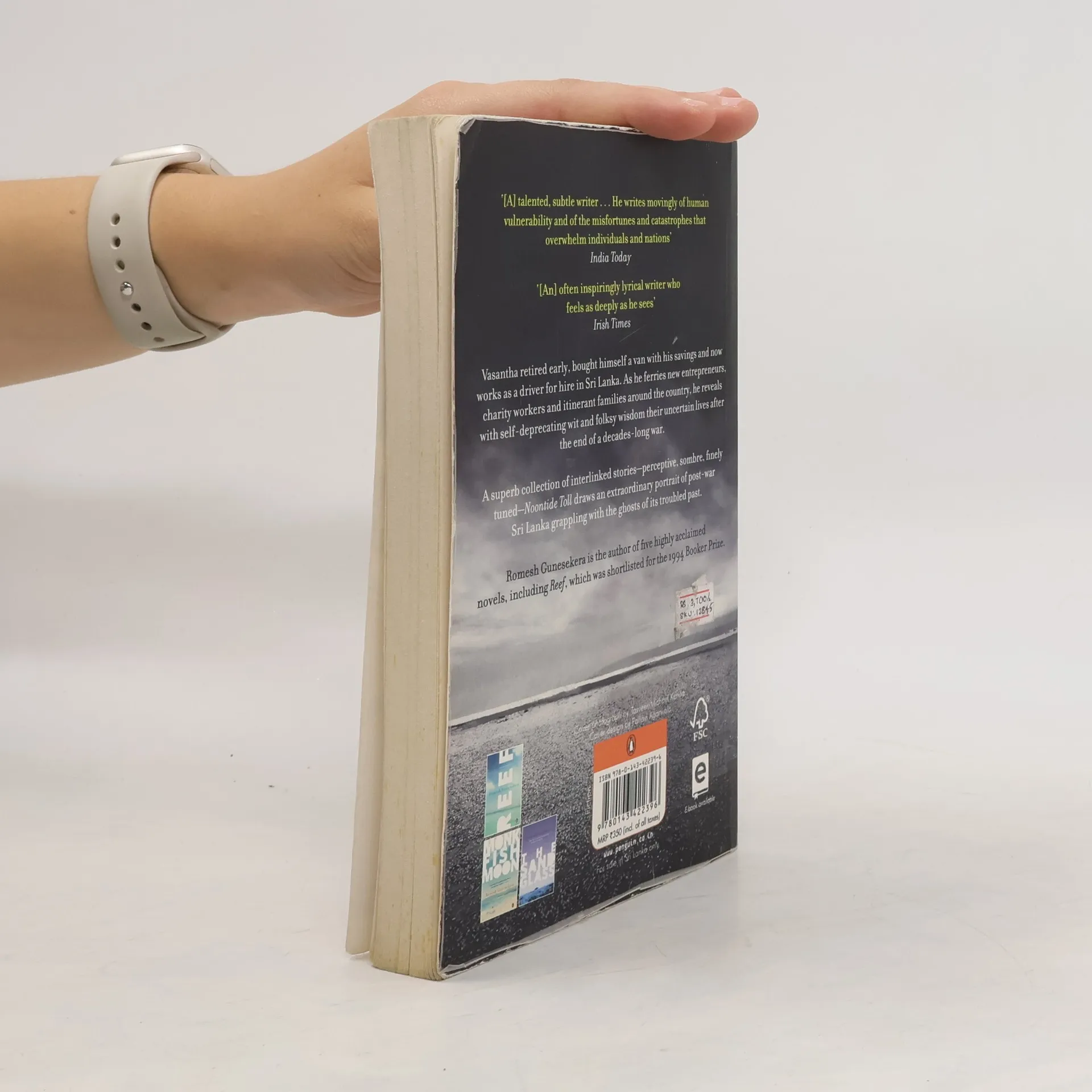
The driver’s job is to stay in control behind the wheel and that is all. The past is what you leave as you go. There is nothing more to it. Vasantha retired early, bought himself a van with his savings, and now works as a driver for hire. As he drives through Sri Lanka, carrying aid workers, businessmen, and families and meeting lonely soldiers and eager hoteliers, he engages them with self-deprecating wit and folksy wisdom—and reveals for us their uncertain lives. On his journey from the army camps in northern Jaffna to the moonlit ramparts of Galle, in the south, Vasantha begins to discover the depth of the problems of the past—his own and his country’s—and the promise the future might hold. From the writer praised by The Guardian for the “vivid originality” of his vision, here is a wonderful collection—perceptive, somber, finely tuned—that draws a potent portrait of postwar Sri Lanka and the ghosts of civil war.
Zakup książki
Noontide Toll, Romesh Gunesekera
- Język

- Rok wydania
- 2014
- Oprawa
- (miękka)
Metody płatności
Brakuje nam tutaj Twojej recenzji.
- Tytuł
- Noontide Toll
- Język
- angielski
- Autorzy
- Romesh Gunesekera
- Wydawca
- Penguin
- Rok wydania
- 2014
- Oprawa
- miękka
- Liczba stron
- 237
- ISBN10
- 0143422391
- ISBN13
- 9780143422396
- Seria
- Kategorie
- Tagi
- Tematy historyczne, Podróże, Opowiadania, Szkoła, Azja
- Ocena
- 3,6 z 5
- Opis
- The driver’s job is to stay in control behind the wheel and that is all. The past is what you leave as you go. There is nothing more to it. Vasantha retired early, bought himself a van with his savings, and now works as a driver for hire. As he drives through Sri Lanka, carrying aid workers, businessmen, and families and meeting lonely soldiers and eager hoteliers, he engages them with self-deprecating wit and folksy wisdom—and reveals for us their uncertain lives. On his journey from the army camps in northern Jaffna to the moonlit ramparts of Galle, in the south, Vasantha begins to discover the depth of the problems of the past—his own and his country’s—and the promise the future might hold. From the writer praised by The Guardian for the “vivid originality” of his vision, here is a wonderful collection—perceptive, somber, finely tuned—that draws a potent portrait of postwar Sri Lanka and the ghosts of civil war.