

Więcej o książce
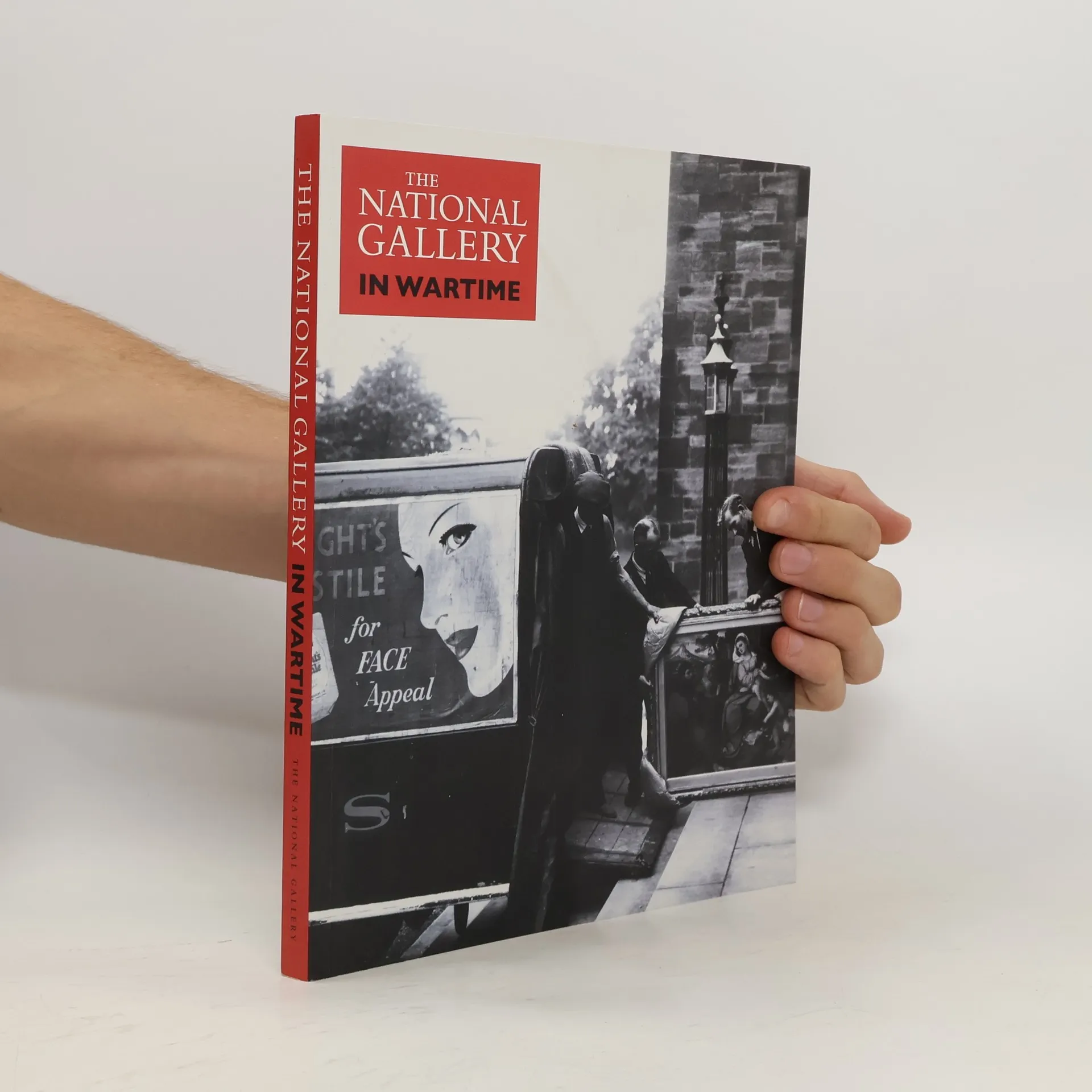
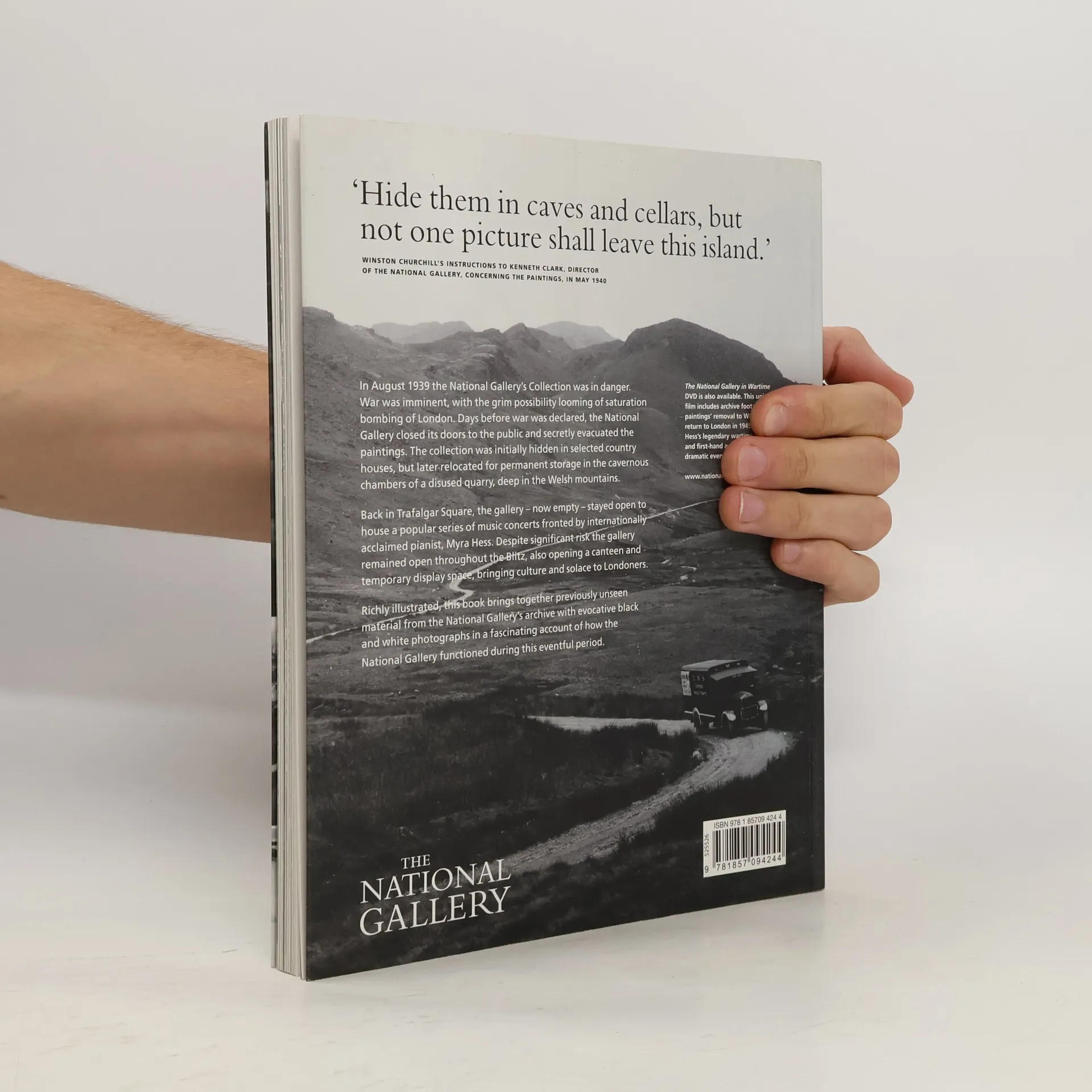
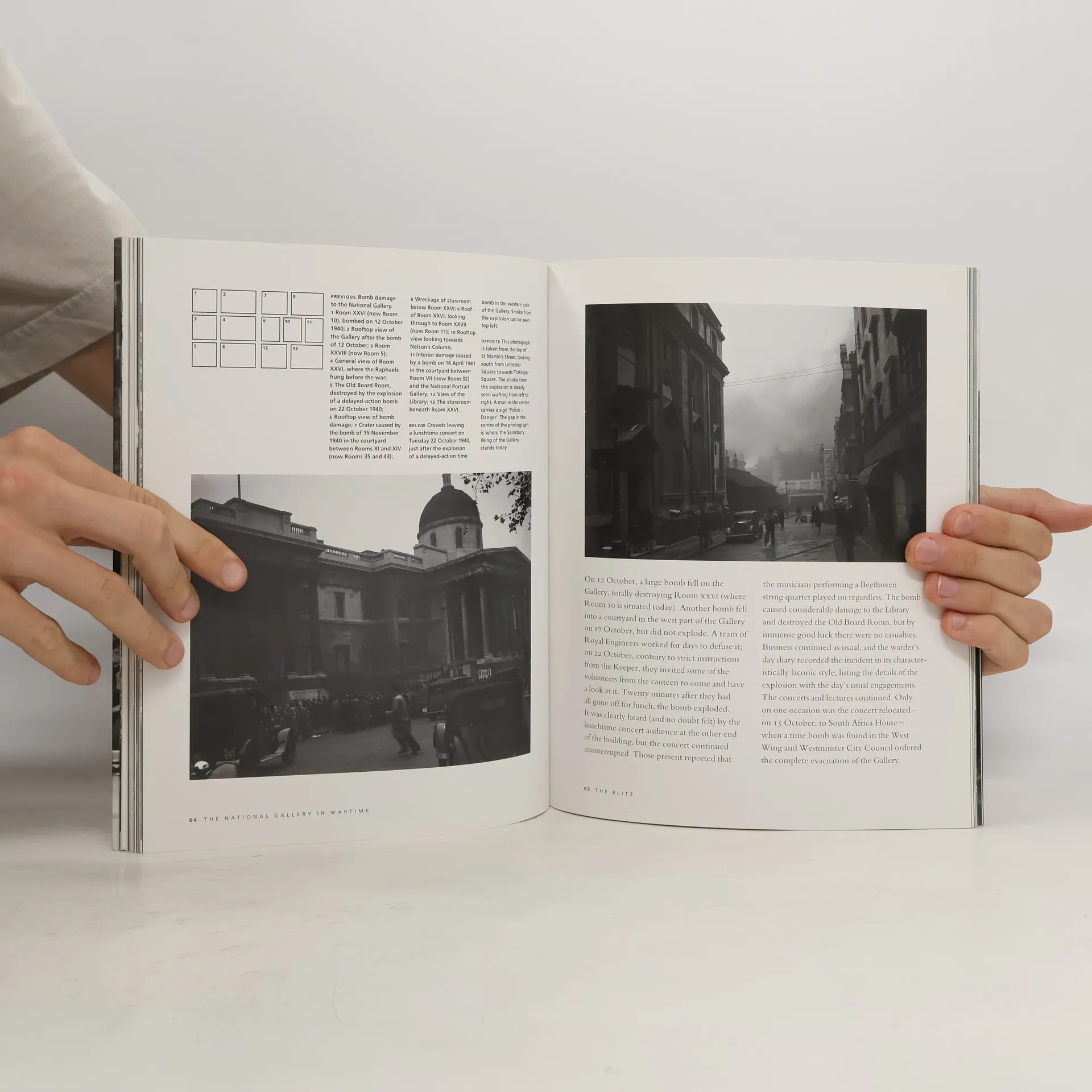
On August 23, 1939, with World War II looming, the National Gallery, London, was forced temporarily to close its doors to the public to evacuate the bulk of its collection to secret locations in Wales for safe-keeping. By May 1940, the collection had been transferred to Manod Quarry, a slate mine in the mountains, beneath 200 feet of solid rock. The Gallery, meanwhile, remained “open for business” despite being bombed several times during the Blitz. This enthralling and richly documented book recounts for the first time the story of how the National Gallery functioned during this eventful period. With extensive archival photographs, many of which are published here for the first time, alongside press accounts and Gallery correspondence, it discusses the preparations to move the pictures; the Gallery’s decision to keep the building open for temporary exhibitions and lunchtime concerts fronted by internationally renowned pianist Myra Hess; director Kenneth Clark’s role as chairman of the War Artists Advisory Committee, whose aim was to commission and exhibit pictures recording the war; and the institution of the Picture of the Month, which exhibited in succession 43 of the Gallery’s best-known pictures during the war, and which continues today.
Zakup książki
The National Gallery in Wartime, Suzanne Bosman
- Język

- Rok wydania
- 2008
- Oprawa
- (miękka)
Metody płatności
Brakuje nam tutaj Twojej recenzji.
- Tytuł
- The National Gallery in Wartime
- Język
- angielski
- Autorzy
- Suzanne Bosman
- Wydawca
- National Gallery London
- Rok wydania
- 2008
- Oprawa
- miękka
- Liczba stron
- 127
- ISBN10
- 1857094247
- ISBN13
- 9781857094244
- Seria
- Tagi
- Tematy historyczne, Sztuka
- Ocena
- 4,4 z 5
- Opis
- On August 23, 1939, with World War II looming, the National Gallery, London, was forced temporarily to close its doors to the public to evacuate the bulk of its collection to secret locations in Wales for safe-keeping. By May 1940, the collection had been transferred to Manod Quarry, a slate mine in the mountains, beneath 200 feet of solid rock. The Gallery, meanwhile, remained “open for business” despite being bombed several times during the Blitz. This enthralling and richly documented book recounts for the first time the story of how the National Gallery functioned during this eventful period. With extensive archival photographs, many of which are published here for the first time, alongside press accounts and Gallery correspondence, it discusses the preparations to move the pictures; the Gallery’s decision to keep the building open for temporary exhibitions and lunchtime concerts fronted by internationally renowned pianist Myra Hess; director Kenneth Clark’s role as chairman of the War Artists Advisory Committee, whose aim was to commission and exhibit pictures recording the war; and the institution of the Picture of the Month, which exhibited in succession 43 of the Gallery’s best-known pictures during the war, and which continues today.