

Więcej o książce
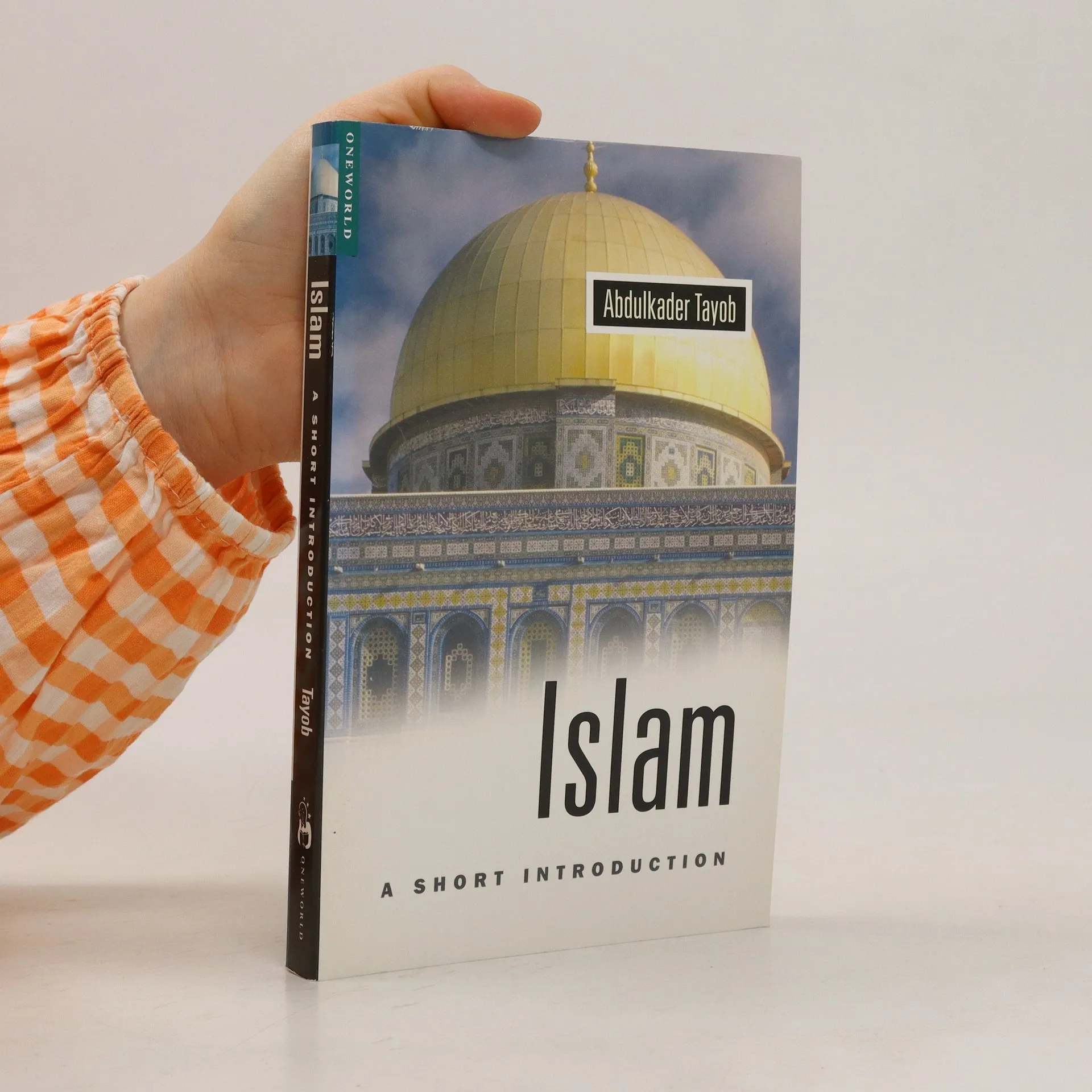
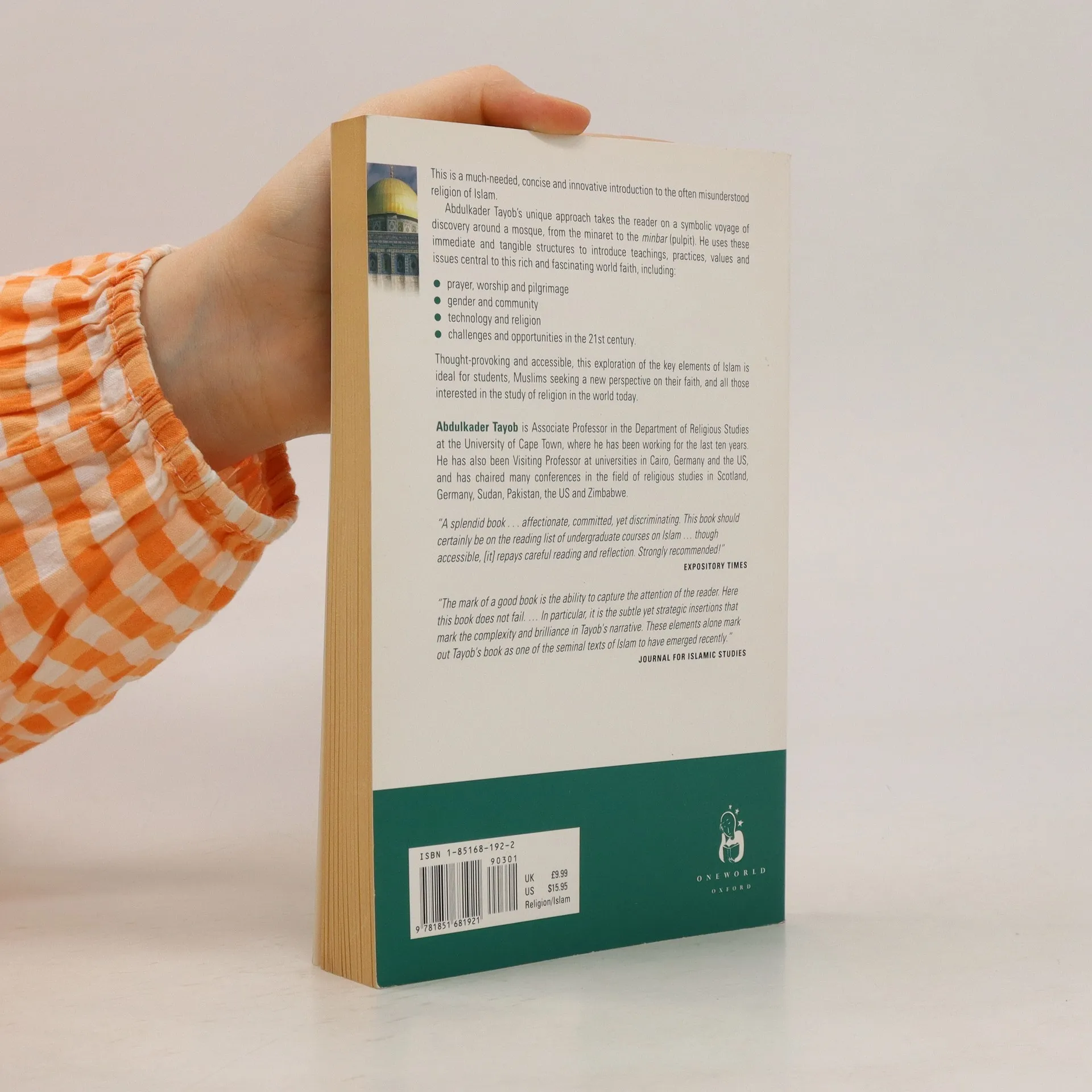
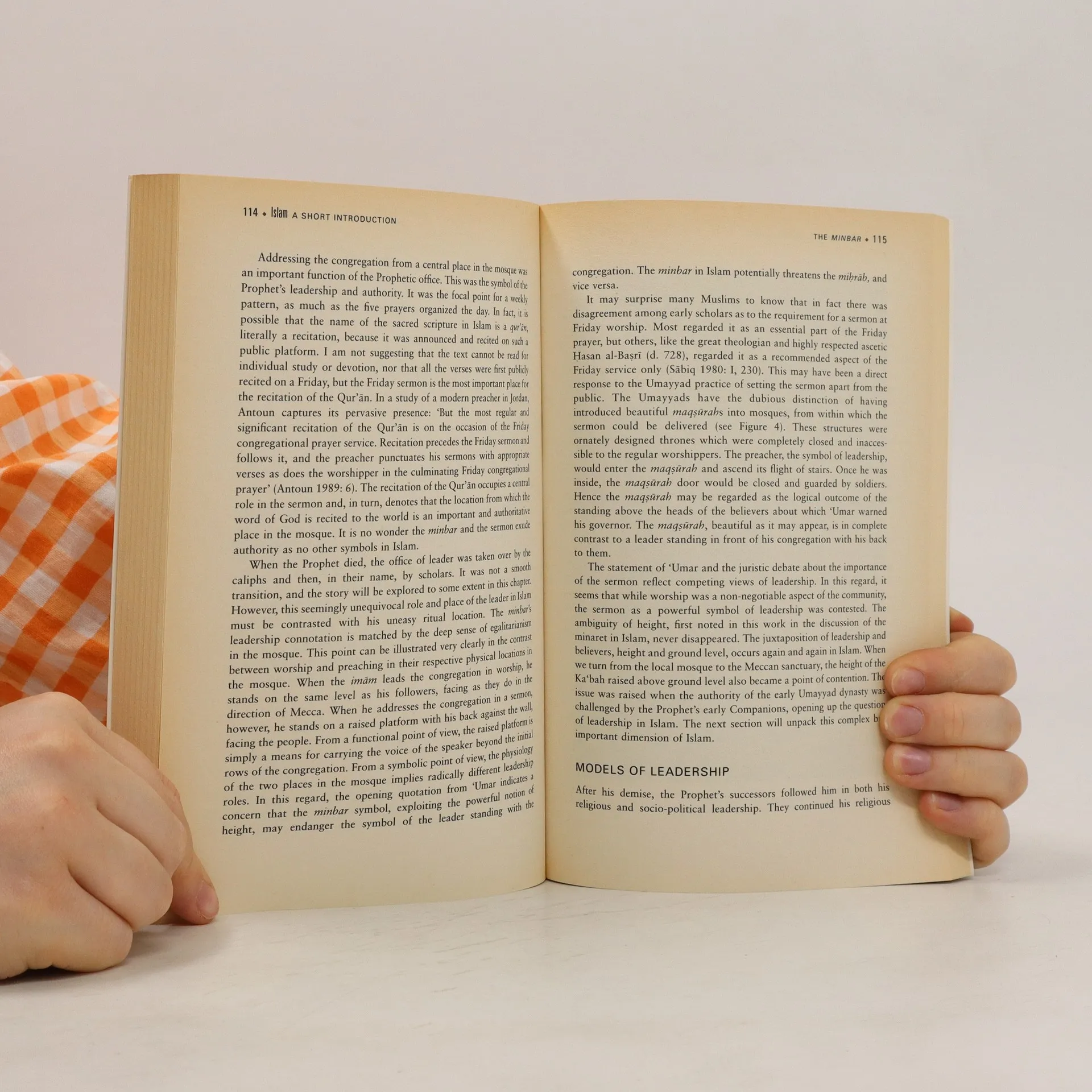
This book leads the reader into Islam by walking him or her through a mosque. It is a somewhat meandering tour, based on the principle that the immediate object or concept calls for attention and explication. Beginning with the minaret, and ending with the minbar (pulpit), it uses the structures of a mosque to wander through the rich and fascinating images, symbols and values of Islam. It begins with the tangible and quickly moves to the intangible and abstract, and back again. Social significance is not far behind an exploration of how Muslims use and grapple with the challenges of their faith and tradition. Each of the key structures of the mosque is used to explore other, seemingly unrelated, aspects of Islam. Thus, for examples, the minaret calls attention to the significance of height in Islamic architecture, but also to the presence of Islam among other religious traditions, the issue of music in Muslim society and the place of modern technology in Islamic rituals. The author has avoided the tendency to oversimplify the complex questions concerning religion in the modern world. Thus, in almost every case, the book explores and informs, but also grapples with the familiar and commonplace. This introduction is not simply an introductory gloss on Islam but a challenging encounter.
Zakup książki
Islam : a short introduction, Abdulkader Tayob
- Język

- Rok wydania
- 1999
- Oprawa
- (miękka)
Metody płatności
Brakuje nam tutaj Twojej recenzji.
- Tytuł
- Islam : a short introduction
- Język
- angielski
- Autorzy
- Abdulkader Tayob
- Wydawca
- Oneworld Publications
- Rok wydania
- 1999
- Oprawa
- miękka
- Liczba stron
- 224
- ISBN10
- 1851681922
- ISBN13
- 9781851681921
- Seria
- Kategorie
- Tagi
- Tematy religijne
- Ocena
- 3,4 z 5
- Opis
- This book leads the reader into Islam by walking him or her through a mosque. It is a somewhat meandering tour, based on the principle that the immediate object or concept calls for attention and explication. Beginning with the minaret, and ending with the minbar (pulpit), it uses the structures of a mosque to wander through the rich and fascinating images, symbols and values of Islam. It begins with the tangible and quickly moves to the intangible and abstract, and back again. Social significance is not far behind an exploration of how Muslims use and grapple with the challenges of their faith and tradition. Each of the key structures of the mosque is used to explore other, seemingly unrelated, aspects of Islam. Thus, for examples, the minaret calls attention to the significance of height in Islamic architecture, but also to the presence of Islam among other religious traditions, the issue of music in Muslim society and the place of modern technology in Islamic rituals. The author has avoided the tendency to oversimplify the complex questions concerning religion in the modern world. Thus, in almost every case, the book explores and informs, but also grapples with the familiar and commonplace. This introduction is not simply an introductory gloss on Islam but a challenging encounter.