

Więcej o książce
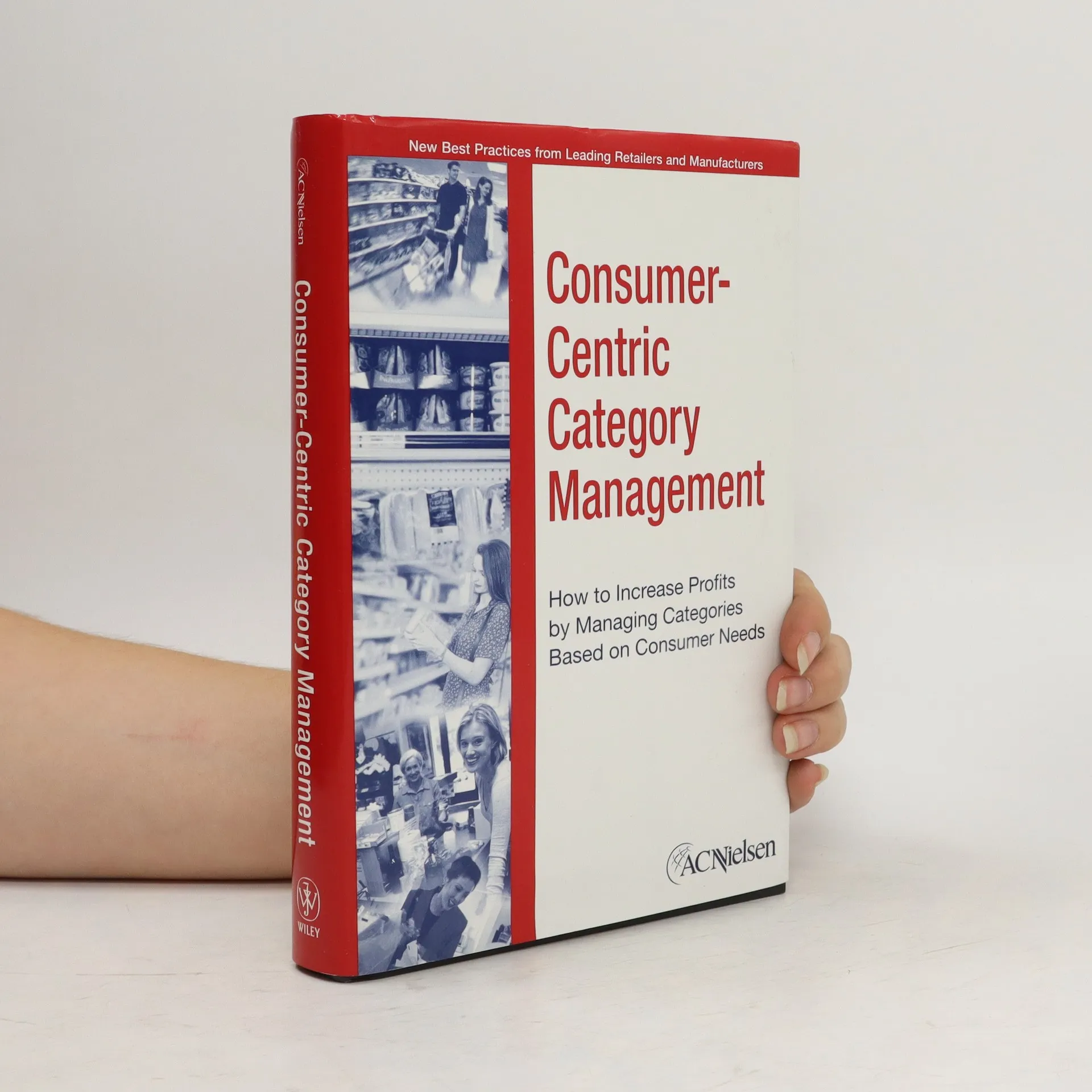
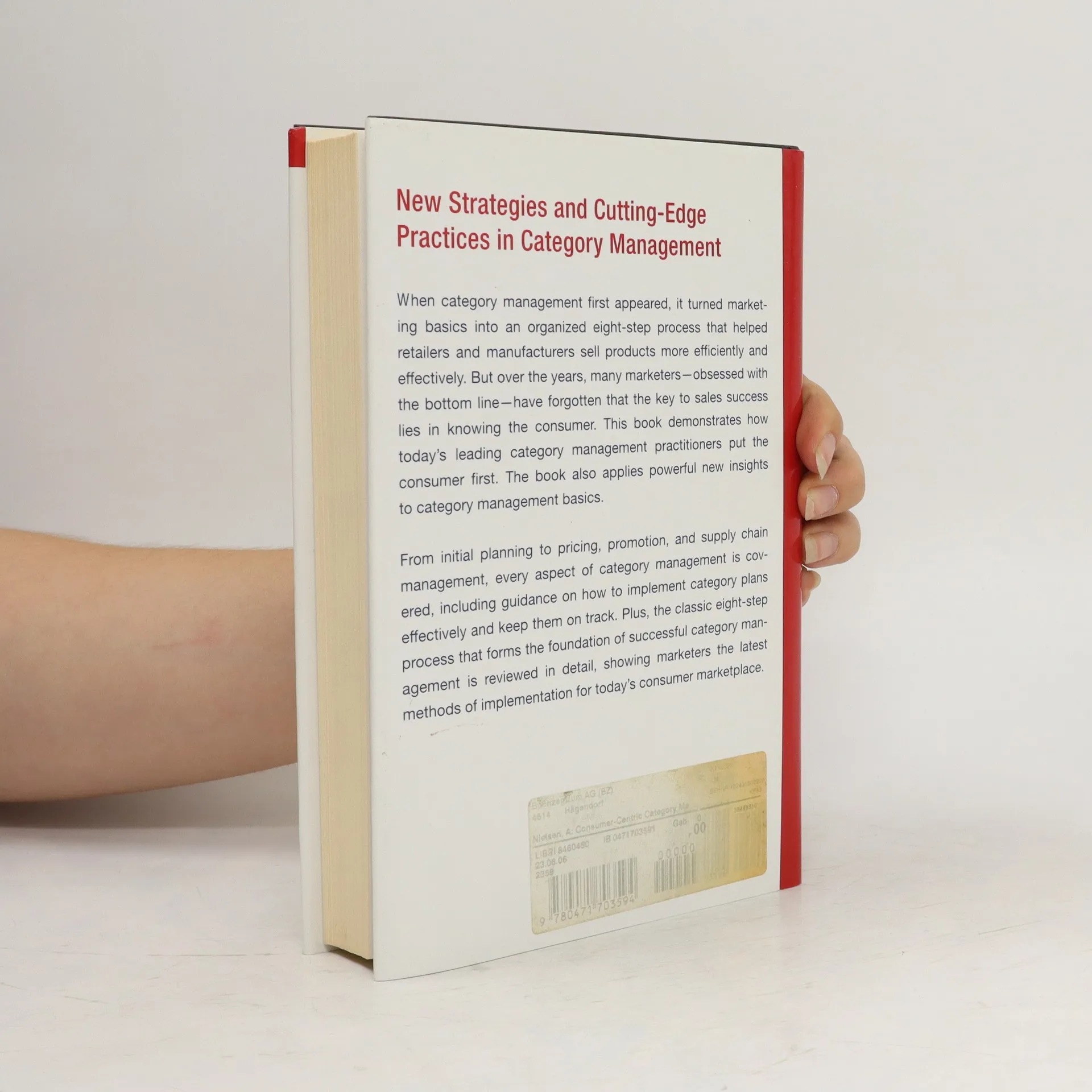
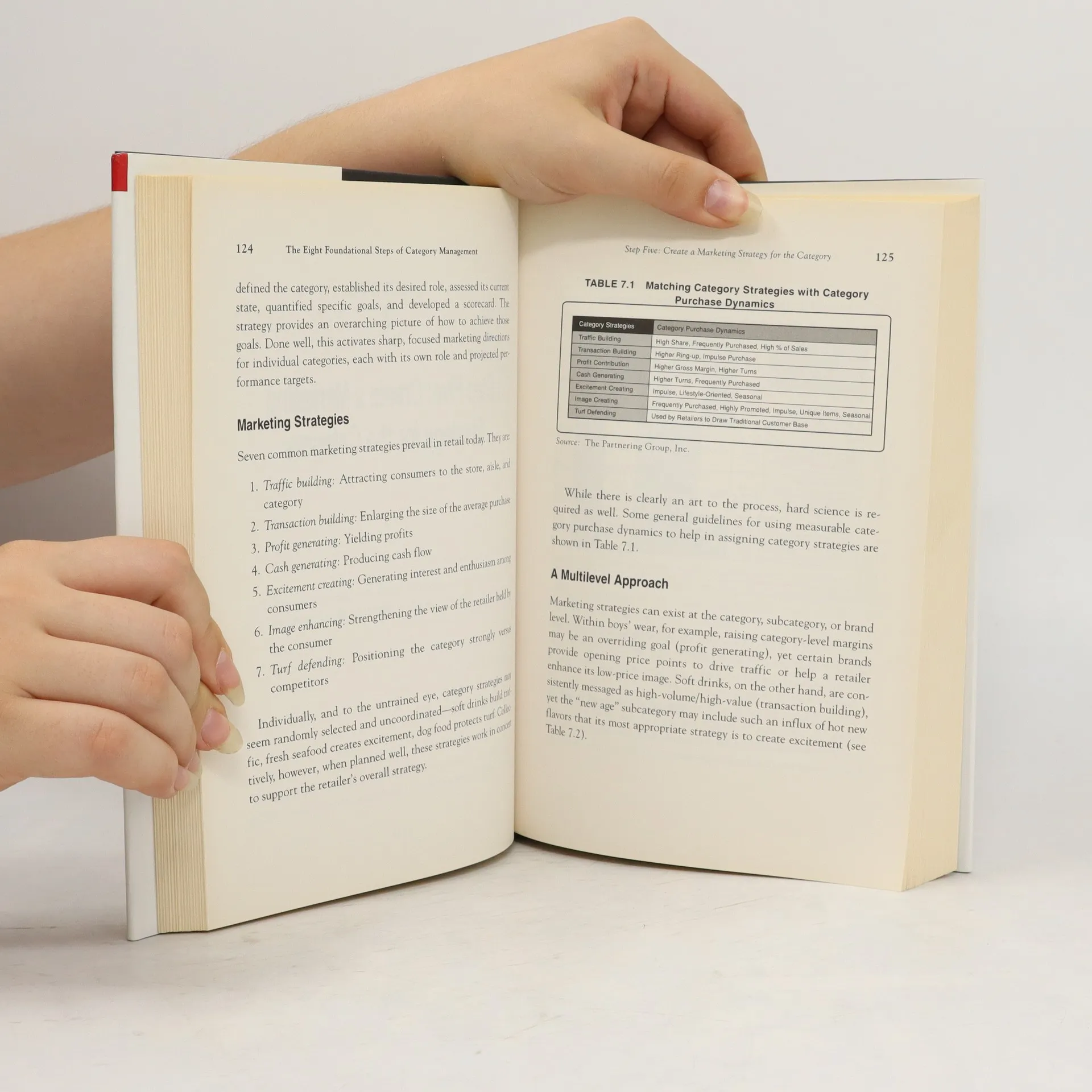
In some parts of the world, especially in developing markets, category management today remains a stretch goal – a new idea full of untapped potential. In other areas, the original eight-step process that emerged in the late 1980’s forms the foundation of many companies’ approach to category management. In still others, particularly in developed countries like the U.S., the U.K., and others, refinements are being made – most of them designed to place consumer understanding front and center. New ideas are emerging – from "trip management" to "aisle management" to "customer management." Whether a new descriptor emerges to replace "category management" is yet to be seen. Even if that does happen, what won’t change is the overall objective – to help retailers and their manufacturer partners succeed by offering the right selection of products that are marketed and merchandised based on a complete understanding of the consumers they are committed to serving. This book, which explores both the state of and the state-of-the-art in category management, is for everyone with a vested interest in category management. It can serve such a broad audience because category management is about bringing a structured process to how executives think and make decisions about their businesses, no matter what information and information technology they have access to.
Zakup książki
Consumer-Centric Category Management, ACNielsen, Al Heller
- Język

- Rok wydania
- 2014
- Oprawa
- (twarda)
Metody płatności
Brakuje nam tutaj Twojej recenzji.
- Tytuł
- Consumer-Centric Category Management
- Język
- angielski
- Wydawca
- John Wiley & Sons
- Rok wydania
- 2014
- Oprawa
- twarda
- Liczba stron
- 368
- ISBN10
- 0471703591
- ISBN13
- 9780471703594
- Seria
- Tagi
- Biznes
- Ocena
- 3,75 z 5
- Opis
- In some parts of the world, especially in developing markets, category management today remains a stretch goal – a new idea full of untapped potential. In other areas, the original eight-step process that emerged in the late 1980’s forms the foundation of many companies’ approach to category management. In still others, particularly in developed countries like the U.S., the U.K., and others, refinements are being made – most of them designed to place consumer understanding front and center. New ideas are emerging – from "trip management" to "aisle management" to "customer management." Whether a new descriptor emerges to replace "category management" is yet to be seen. Even if that does happen, what won’t change is the overall objective – to help retailers and their manufacturer partners succeed by offering the right selection of products that are marketed and merchandised based on a complete understanding of the consumers they are committed to serving. This book, which explores both the state of and the state-of-the-art in category management, is for everyone with a vested interest in category management. It can serve such a broad audience because category management is about bringing a structured process to how executives think and make decisions about their businesses, no matter what information and information technology they have access to.