

Więcej o książce
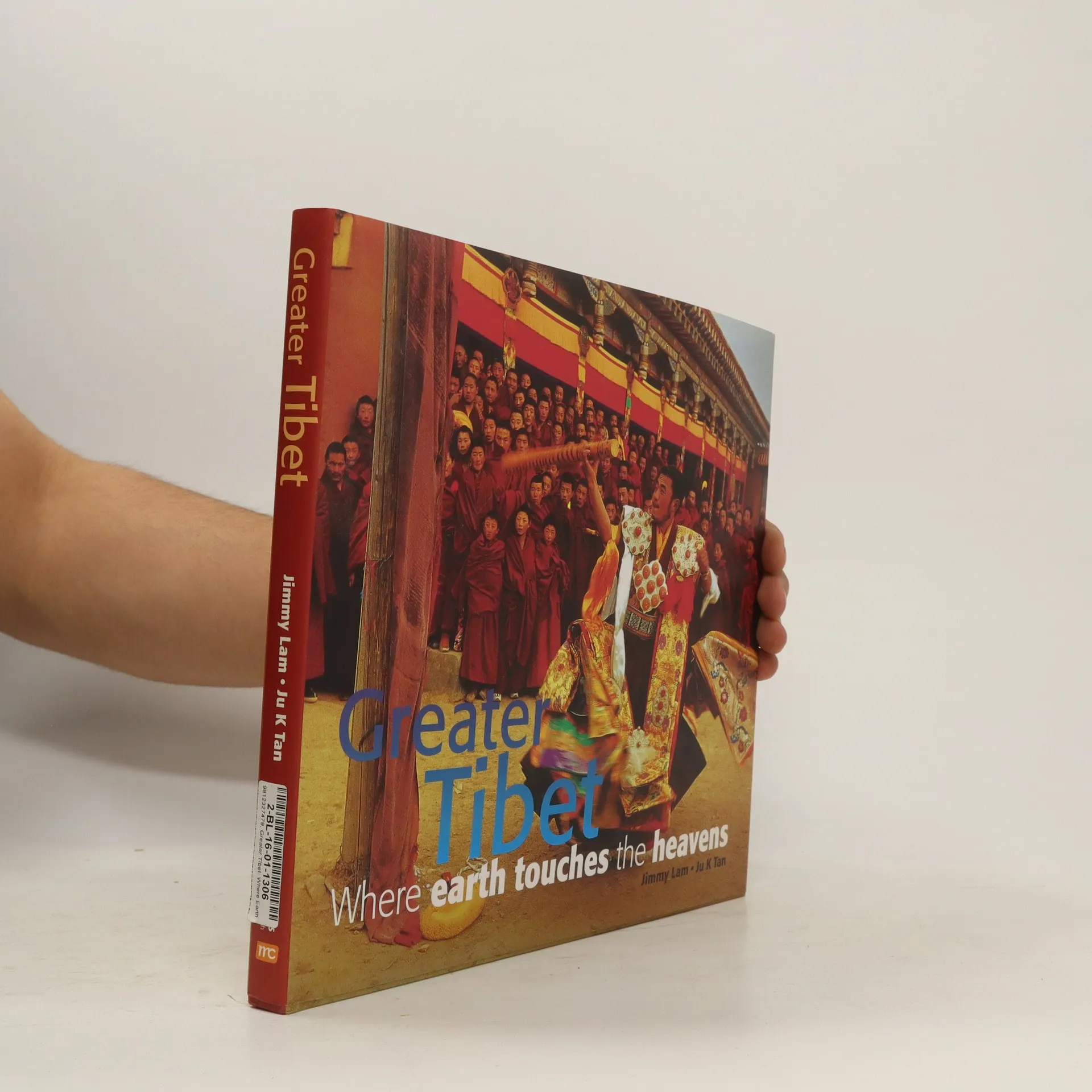
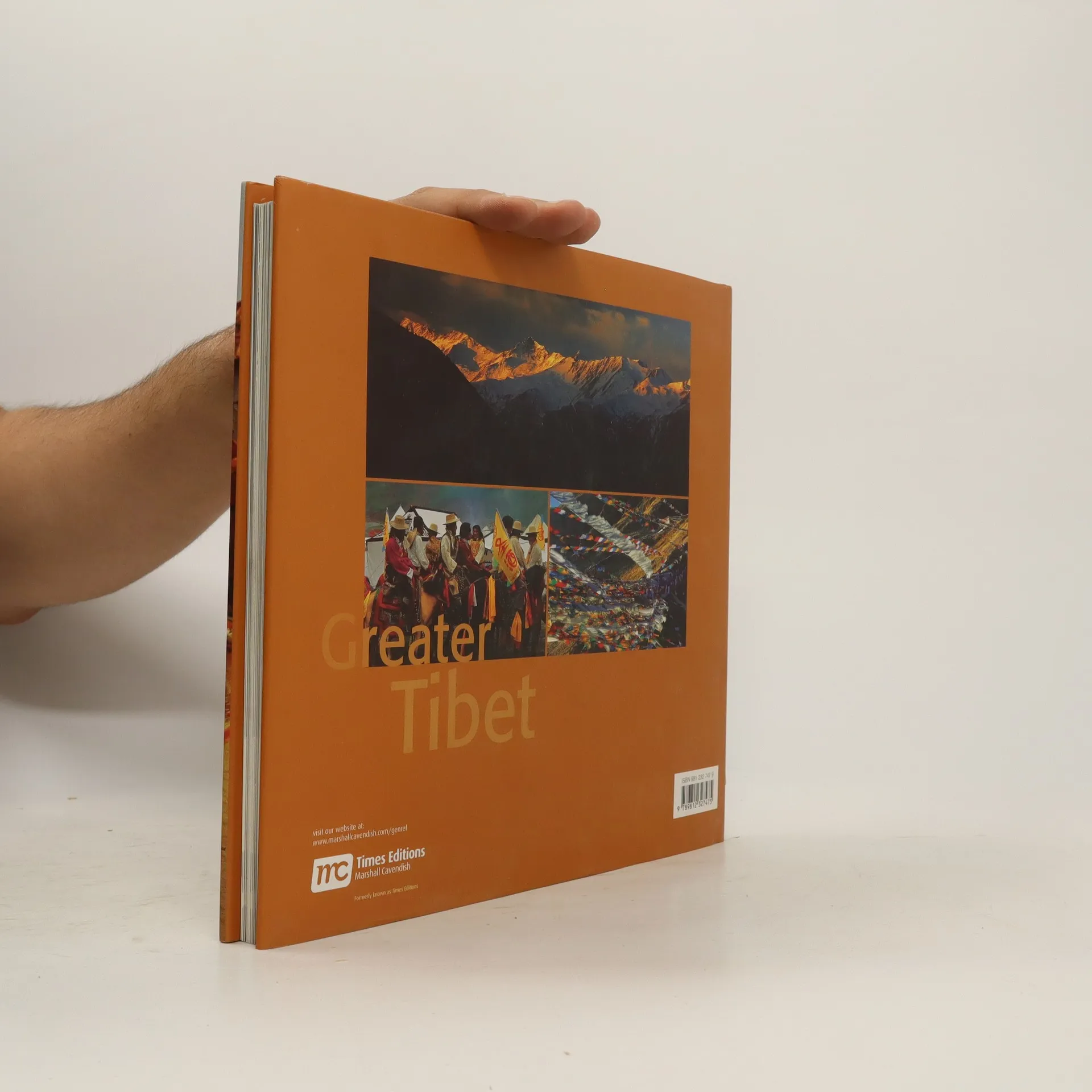
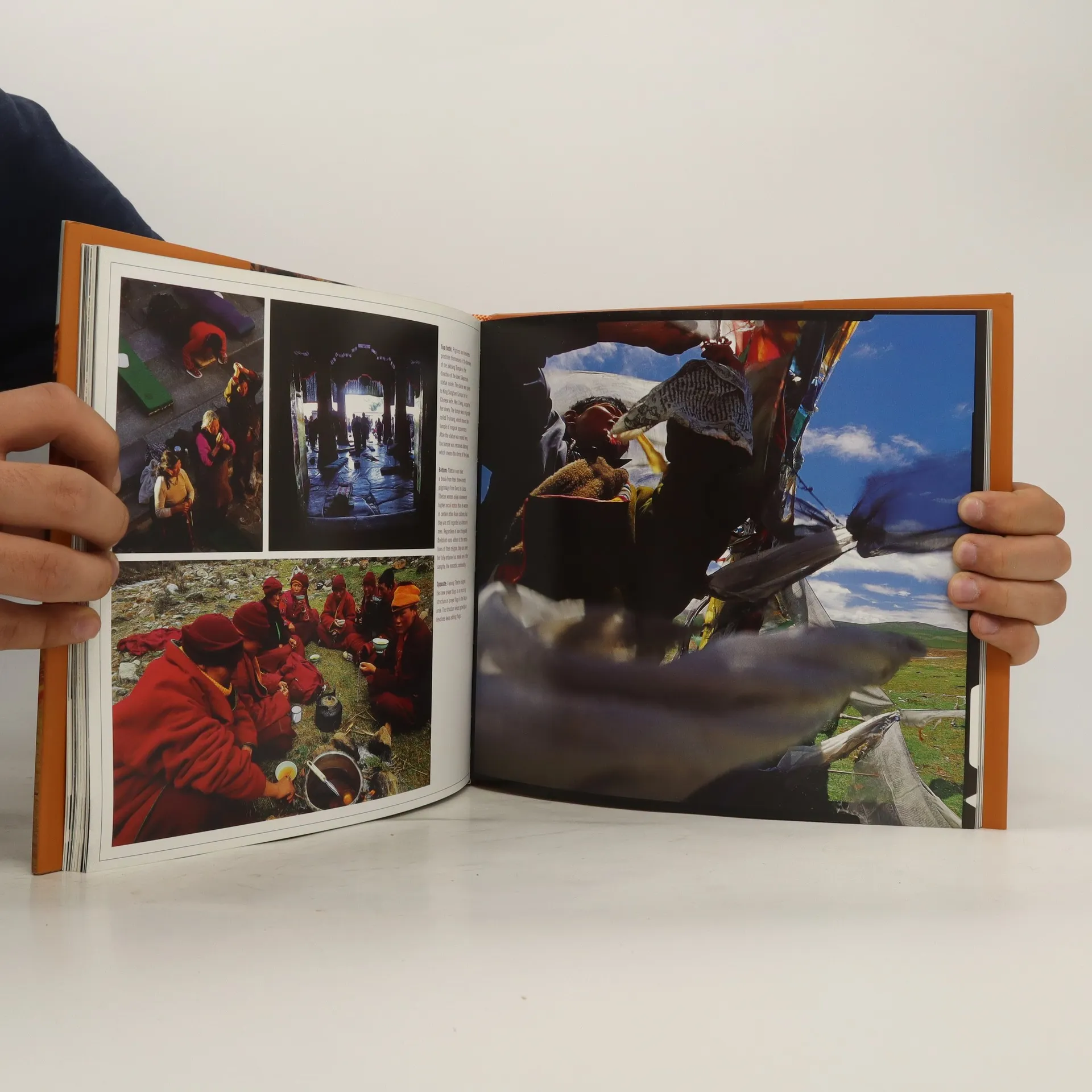
GREATER Where Earth Touches the Heavens travels beyond the Tibetan Autonomous Region to reveal the less seen faces and places of Qinghai, northern Yunnan, Gansu and western Sichuan. Photographer Jimmy Lam braves hardy terrain and weather to capture the atmosphere of a land that is newly opened to the rest of the world. Lam’s untiring fascination with Greater Tibet has taken him many times to various parts of the Tibet region. He has developed a keen sensitivity towards the seasons of Tibetan nature and culture.In this beautiful album, Lam shares his personal perspective on the landscapes of Greater Tibet, its peoples and their beliefs and way of life. Award-winning photographer Ed Kashi calls this collection "sensitive, textured and photogenic" and an "accomplishment [that] lends a vital and new view into a land that few people get to see and even fewer try to photograph".
Zakup książki
Greater Tibet, Ju Kuang Tan, Jimmy Lam
- Język

- Rok wydania
- 2006
- Oprawa
- (twarda)
Metody płatności
Brakuje nam tutaj Twojej recenzji.
- Tytuł
- Greater Tibet
- Język
- angielski
- Autorzy
- Ju Kuang Tan, Jimmy Lam
- Rok wydania
- 2006
- Oprawa
- twarda
- Liczba stron
- 128
- ISBN10
- 9812327479
- ISBN13
- 9789812327475
- Seria
- Kategorie
- Tagi
- Ocena
- 3,5 z 5
- Opis
- GREATER Where Earth Touches the Heavens travels beyond the Tibetan Autonomous Region to reveal the less seen faces and places of Qinghai, northern Yunnan, Gansu and western Sichuan. Photographer Jimmy Lam braves hardy terrain and weather to capture the atmosphere of a land that is newly opened to the rest of the world. Lam’s untiring fascination with Greater Tibet has taken him many times to various parts of the Tibet region. He has developed a keen sensitivity towards the seasons of Tibetan nature and culture.In this beautiful album, Lam shares his personal perspective on the landscapes of Greater Tibet, its peoples and their beliefs and way of life. Award-winning photographer Ed Kashi calls this collection "sensitive, textured and photogenic" and an "accomplishment [that] lends a vital and new view into a land that few people get to see and even fewer try to photograph".