

Więcej o książce
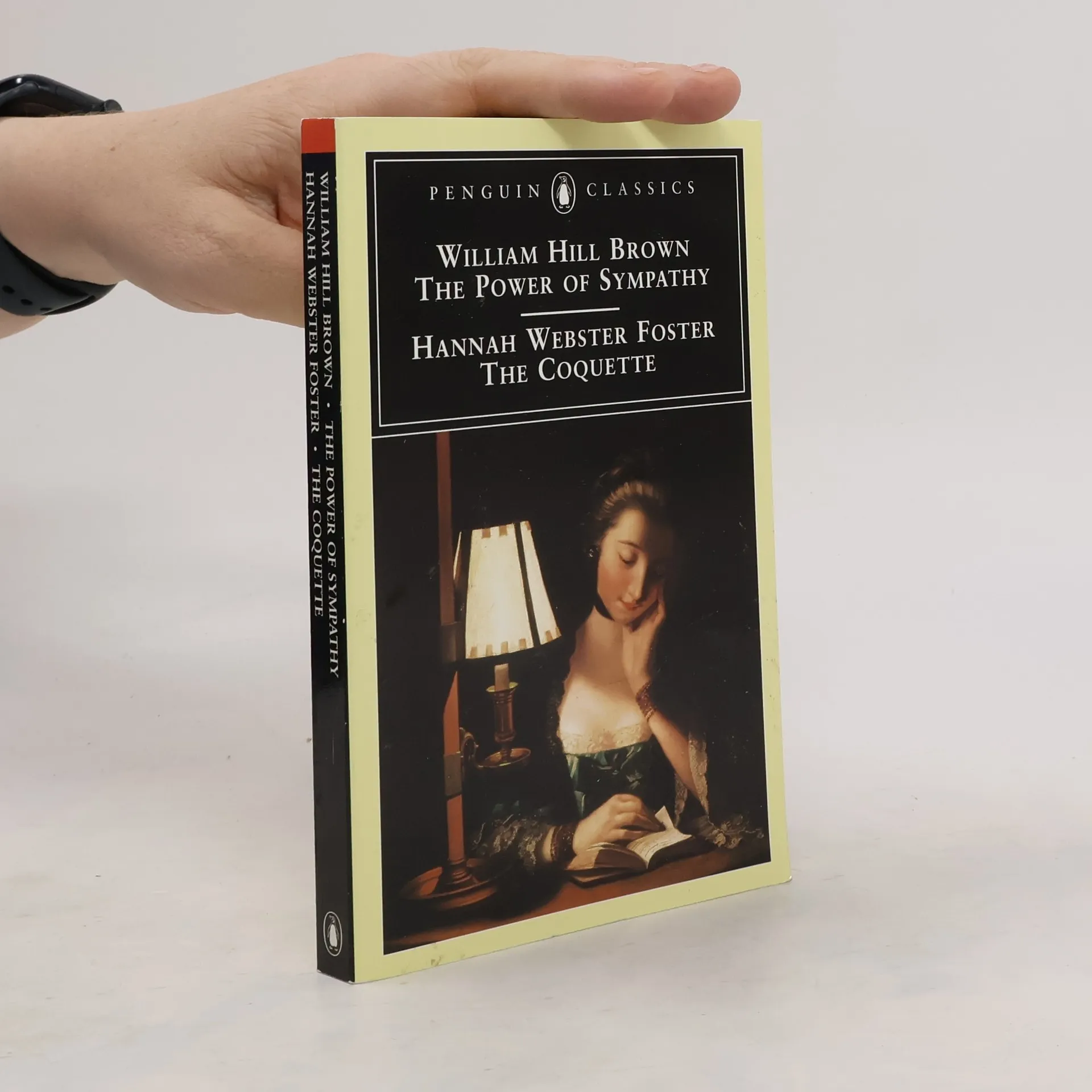
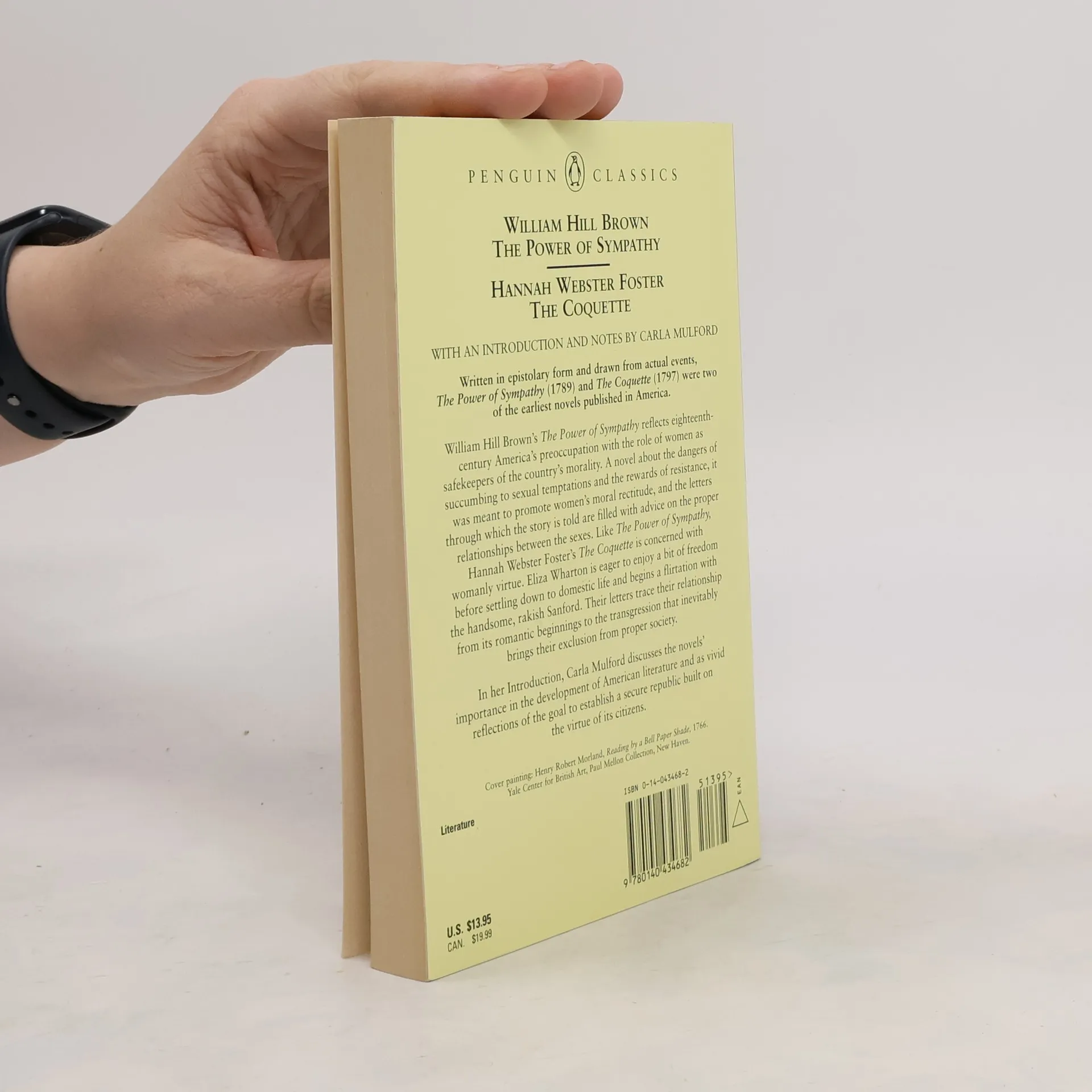
Written in epistolary form and drawn from actual events, The Power of Sympathy (1789) and The Coquette (1797) were two of the earliest novels published in America. William Hill Brown's The Power of Sympathy reflects eighteenth-century America's preoccupation with the role of women as safekeepers of the country's morality. A novel about the dangers of succumbing to sexual temptations and the rewards of resistance, it was meant to promote women's moral rectitude, and the letters through which the story is told are filled with advice on the proper relationships between the sexes. Like The Power of Sympathy, Hannah Webster Foster's The Coquette is concerned with womanly virtue. Eliza Wharton is eager to enjoy a bit of freedom before settling down to domestic life and begins a flirtation with the handsome, rakish Sanford. Their letters trace their relationship from its romantic beginnings to the transgression that inevitably brings their exclusion from proper society. In her Introduction, Carla Mulford discusses the novels' importance in the development of American literature and as vivid reflections of the goal to establish a secure republic built on the virtue of its citizens.
Zakup książki
The Power of Sympathy. The Coquette, William Wells Brown, Hannah Webster Foster
- Język

- Rok wydania
- 1996
- Oprawa
- (miękka)
Metody płatności
Brakuje nam tutaj Twojej recenzji.
- Tytuł
- The Power of Sympathy. The Coquette
- Język
- angielski
- Wydawca
- National Geographic Books
- Rok wydania
- 1996
- Oprawa
- miękka
- ISBN10
- 0140434682
- ISBN13
- 9780140434682
- Seria
- Ocena
- 3 z 5
- Opis
- Written in epistolary form and drawn from actual events, The Power of Sympathy (1789) and The Coquette (1797) were two of the earliest novels published in America. William Hill Brown's The Power of Sympathy reflects eighteenth-century America's preoccupation with the role of women as safekeepers of the country's morality. A novel about the dangers of succumbing to sexual temptations and the rewards of resistance, it was meant to promote women's moral rectitude, and the letters through which the story is told are filled with advice on the proper relationships between the sexes. Like The Power of Sympathy, Hannah Webster Foster's The Coquette is concerned with womanly virtue. Eliza Wharton is eager to enjoy a bit of freedom before settling down to domestic life and begins a flirtation with the handsome, rakish Sanford. Their letters trace their relationship from its romantic beginnings to the transgression that inevitably brings their exclusion from proper society. In her Introduction, Carla Mulford discusses the novels' importance in the development of American literature and as vivid reflections of the goal to establish a secure republic built on the virtue of its citizens.