


Więcej o książce
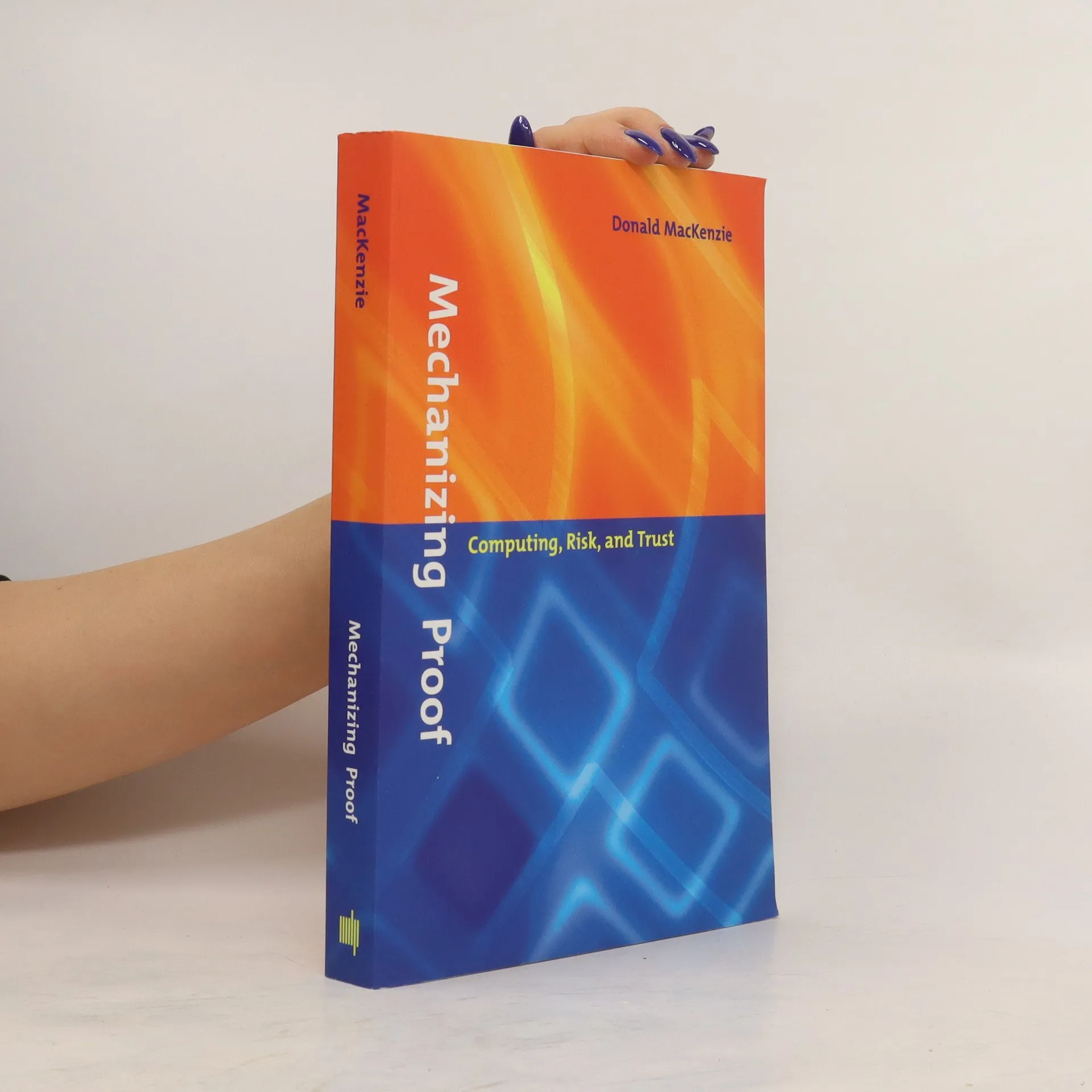
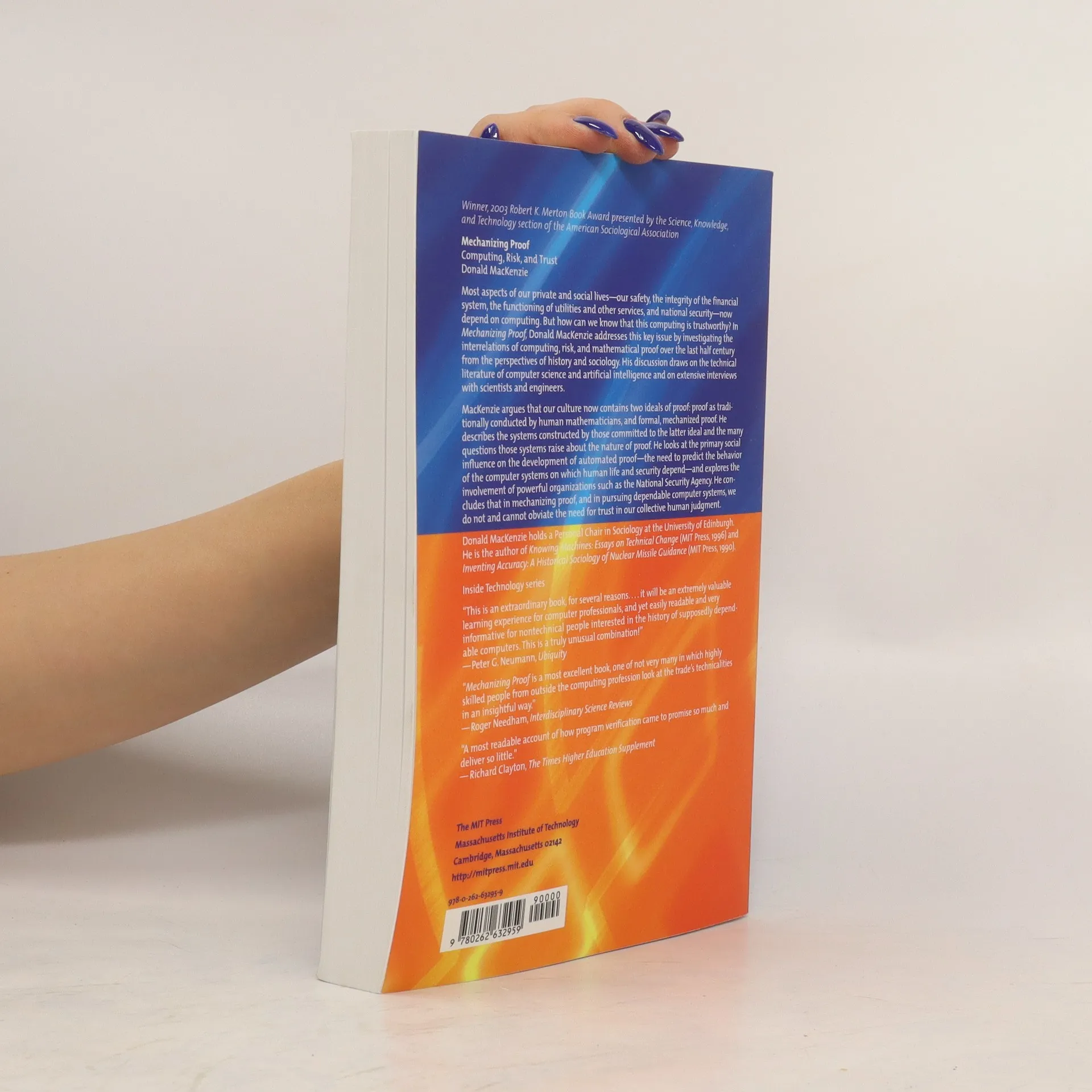
Most aspects of our private and social lives—our safety, the integrity of the financial system, the functioning of utilities and other services, and national security—now depend on computing. But how can we know that this computing is trustworthy? In Mechanizing Proof , Donald MacKenzie addresses this key issue by investigating the interrelations of computing, risk, and mathematical proof over the last half century from the perspectives of history and sociology. His discussion draws on the technical literature of computer science and artificial intelligence and on extensive interviews with participants. MacKenzie argues that our culture now contains two ideals of proof as traditionally conducted by human mathematicians, and formal, mechanized proof. He describes the systems constructed by those committed to the latter ideal and the many questions those systems raise about the nature of proof. He looks at the primary social influence on the development of automated proof—the need to predict the behavior of the computer systems upon which human life and security depend—and explores the involvement of powerful organizations such as the National Security Agency. He concludes that in mechanizing proof, and in pursuing dependable computer systems, we do not obviate the need for trust in our collective human judgment.
Zakup książki
Mechanizing Proof, Donald A. MacKenzie
- Język

- Rok wydania
- 2004
- Oprawa
- (miękka)
Metody płatności
Brakuje nam tutaj Twojej recenzji.
- Tytuł
- Mechanizing Proof
- Język
- angielski
- Autorzy
- Donald A. MacKenzie
- Wydawca
- MIT Press
- Rok wydania
- 2004
- Oprawa
- miękka
- Liczba stron
- 439
- ISBN10
- 0262632950
- ISBN13
- 9780262632959
- Seria
- Kategorie
- Ocena
- 4,45 z 5
- Opis
- Most aspects of our private and social lives—our safety, the integrity of the financial system, the functioning of utilities and other services, and national security—now depend on computing. But how can we know that this computing is trustworthy? In Mechanizing Proof , Donald MacKenzie addresses this key issue by investigating the interrelations of computing, risk, and mathematical proof over the last half century from the perspectives of history and sociology. His discussion draws on the technical literature of computer science and artificial intelligence and on extensive interviews with participants. MacKenzie argues that our culture now contains two ideals of proof as traditionally conducted by human mathematicians, and formal, mechanized proof. He describes the systems constructed by those committed to the latter ideal and the many questions those systems raise about the nature of proof. He looks at the primary social influence on the development of automated proof—the need to predict the behavior of the computer systems upon which human life and security depend—and explores the involvement of powerful organizations such as the National Security Agency. He concludes that in mechanizing proof, and in pursuing dependable computer systems, we do not obviate the need for trust in our collective human judgment.